English
 Deutsch
Didn't find a product that suits you?
Contact us for the latest news.

Content
Adjustable shock absorbers let you tune damping force — the resistance the shock applies as it compresses and extends — to match your vehicle, load, and driving conditions. Most adjustable shocks offer between 3 and 20 clicks of adjustment, with softer settings providing a more compliant, comfortable ride and firmer settings delivering tighter body control and improved handling response. Getting the settings right makes a tangible difference; getting them wrong can make a vehicle feel worse than factory shocks.
The core concept is straightforward: a shock absorber controls how quickly your suspension moves, not how far. Springs determine ride height and load capacity; shocks determine the speed and character of the movement. When a wheel hits a bump, the spring absorbs the energy and the shock controls how that energy dissipates over time. A shock set too soft lets the body continue to bounce after a bump; one set too firm transmits road harshness directly into the cabin and can actually reduce tire contact with the road surface on rough terrain.
Not all adjustable shocks offer the same type of control. Understanding which axis of damping a given shock adjusts is essential before making any setting changes.
Compression damping controls how the shock resists the suspension moving upward into the wheel well — what happens when the wheel hits a bump or the vehicle body rolls into a corner. Increasing compression damping reduces body roll and nose dive under braking, but set too high it causes the suspension to feel harsh over sharp bumps and can cause the tire to skip rather than track the road surface.
Rebound damping controls how quickly the shock extends after being compressed — how fast the suspension returns to its normal position after a bump. This is the adjustment that most single-adjustment shocks use. Too little rebound damping and the suspension bounces excessively after bumps (a condition called pogo or float); too much and the suspension packs down over successive bumps, reducing ground clearance and causing the vehicle to sit lower than intended during repeated impacts.
Higher-end adjustable shocks — particularly those used in off-road and performance applications — often feature separate adjusters for compression and rebound, sometimes with a remote or piggyback reservoir that provides additional oil and gas volume. This extra capacity helps maintain consistent damping performance as the shock heats up during extended hard use. Fade resistance — the ability to maintain consistent performance over many cycles — is one area where reservoir shocks meaningfully outperform standard monotube or twin-tube designs under demanding conditions.
| Adjustment Type | What It Controls | Effect of Increasing | Effect of Decreasing |
|---|---|---|---|
| Rebound | Speed of suspension extension after compression | Slower return; reduces bounce and float | Faster return; can cause pogo effect |
| Compression | Resistance as suspension compresses | Firmer; reduces body roll and dive | Softer; more compliant over bumps |
| High-speed compression | Response to sharp, sudden impacts | More protection against bottoming out | Better small-bump compliance |
| Low-speed compression | Response to slow body movements (roll, pitch) | Reduced body roll in corners | More body lean; softer cornering feel |
In the suspension aftermarket, "purple shocks" most commonly refers to shocks produced by Rancho and King Shocks, both of which use purple as a brand color on certain product lines, as well as shocks from Fox Racing Shox in limited colorways. However, the most widely recognized purple shock absorbers in the truck and SUV market are Rancho RS9000XL shocks, which feature a distinctive purple anodized body and are among the most recognized adjustable shocks in the North American off-road and light truck segment.
The Rancho RS9000XL is a 9-position manually adjustable monotube shock with a 46mm piston — larger than the 35–40mm pistons found in many OEM-replacement shocks, which provides more fluid volume and improved heat dissipation during extended use. The nine adjustment settings range from a soft, comfort-oriented setting (position 1) through to a firm, performance-oriented setting (position 9), allowing the driver to adapt the shock to different payloads, road conditions, and driving styles without tools in most installations.
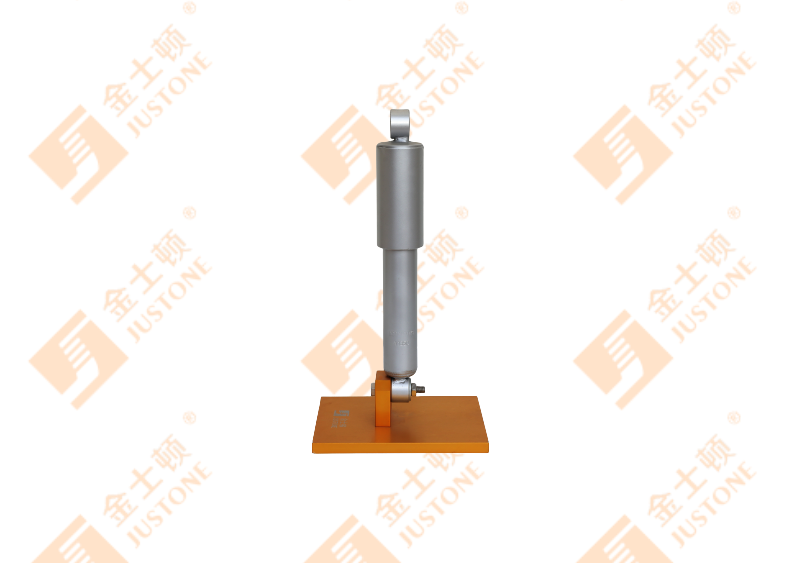
Rancho publishes general guidance for their 9-position adjustment range. The following settings are starting points — final tuning depends on vehicle weight, tire size, lift height, and load:
Beyond Rancho, several other manufacturers produce purple or violet-colored shock absorbers:
There is no single correct setting for adjustable shocks — the right setting depends on the combination of vehicle weight, load, road surface, and intended use at any given time. The following guidance covers the most common scenarios for truck, SUV, and performance vehicle owners.
For a lifted truck or SUV used primarily on paved roads without payload, a mid-range setting (4–6 on a 9-position shock, or 8–12 on a 20-click shock) is the correct starting point. The suspension needs enough damping to prevent float and body roll without being so firm that it transmits every road imperfection into the cabin. If the ride feels excessively harsh over expansion joints or small potholes, reduce by 1–2 positions. If the body feels like it continues to move after bumps or leans excessively in corners, increase by 1–2 positions.
Adding significant weight — either in the bed or via a trailer tongue weight — compresses the rear suspension and changes how the shock behaves. With more weight, the spring is already partially compressed, and the shock operates in a different part of its range. When towing or carrying load near or above 50% of payload capacity, increase shock firmness by 2–3 positions relative to your unloaded street setting. This restores body control, reduces squat, and improves stability under braking with a loaded trailer.
Off-road settings depend heavily on the terrain type. On slow technical trails (rock crawling, steep descents), a softer setting allows maximum wheel articulation — the ability of each wheel to independently follow the terrain while the body remains stable. For rock crawling, settings in the lower third of the adjustment range are typically optimal, as maximizing suspension travel and tire contact matters more than body control at low speeds.
On high-speed desert or gravel driving, the opposite applies — firmer settings prevent the suspension from bottoming out over large whoops and maintain steering precision at speed. Many experienced off-road drivers use a firm setting (upper third) for high-speed off-road runs and return to a softer setting for slow technical sections.
For cars and trucks used on track days or autocross, maximum firmness is generally the starting point — but this is often the area where generic "firmest is best" advice fails. Excessive rebound damping on a track surface with many small bumps causes the suspension to pack down, reducing tire contact patch and actually slowing lap times despite feeling more controlled. The correct approach is to start at full firm and soften the rebound by 2–3 clicks at a time until the car stops skipping over mid-corner bumps while maintaining body control in smooth-surface corners.
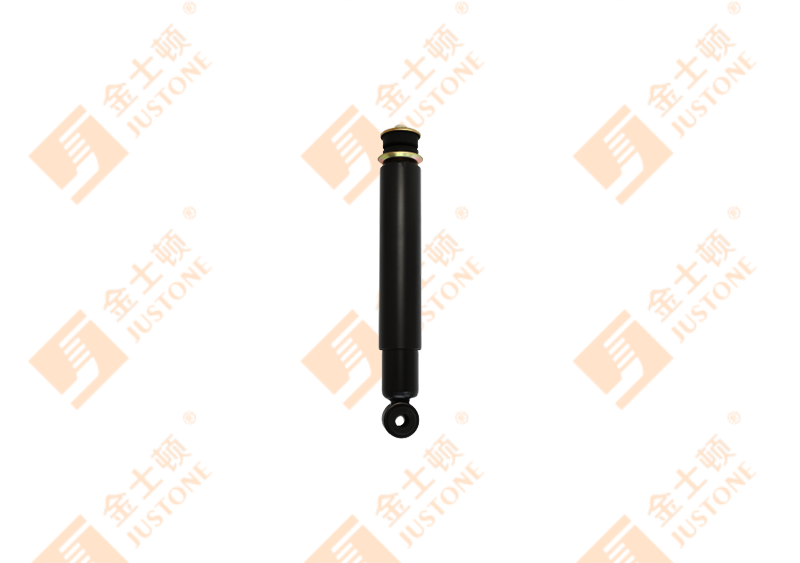
Adjustable shocks span a wide price and performance range. Understanding where Rancho RS9000XL and King Shocks sit relative to other adjustable options helps set realistic expectations for performance and cost.
| Shock Model | Adjustment Type | Positions / Clicks | Piston Size | Best For | Approx. Price (each) |
|---|---|---|---|---|---|
| Rancho RS9000XL | Manual rebound | 9 positions | 46mm | Lifted trucks, mixed use | $80–$130 |
| Fox 2.0 Performance Series | Non-adjustable (IFP) | Fixed | 52mm | Off-road performance, lifted trucks | $130–$200 |
| Bilstein 5100 | Fixed (ride height adjustable collar) | Fixed damping | 46mm | Mild lift, daily driving | $90–$160 |
| King OEM Performance | External bypass / reservoir | Adjustable needle | 2.0" (51mm) | High-performance off-road, racing | $350–$600 |
| Fox 2.5 Remote Reservoir | Compression adjuster | Continuous | 63mm | Desert running, serious off-road | $400–$700 |
The Rancho RS9000XL occupies a strong value position in this market: it is the most affordable shock with true multi-position damping adjustment, making it a practical choice for owners who want flexibility without the cost of a reservoir or bypass shock. Its limitation compared to King and Fox reservoir units is thermal management — in extended heavy off-road use, the smaller oil volume heats up more quickly, and damping consistency can degrade during long runs. For daily driving and occasional trail use, this limitation is largely irrelevant.
Even with quality adjustable shocks installed, incorrect setup undermines their benefit. These are the errors that appear most consistently in practice.
Contact us for the latest news.
Copyright @ Hangzhou Justone Industry Co., Ltd.
 OEM Commercial Vehicle Shock Absorbers Manufacturers
Wholesale Car Shock Absorbers Factory
OEM Commercial Vehicle Shock Absorbers Manufacturers
Wholesale Car Shock Absorbers Factory