English
 Deutsch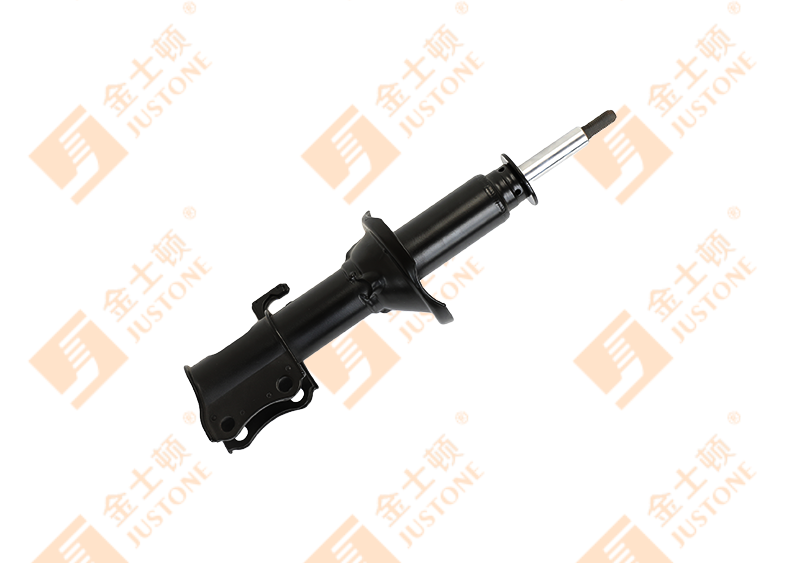
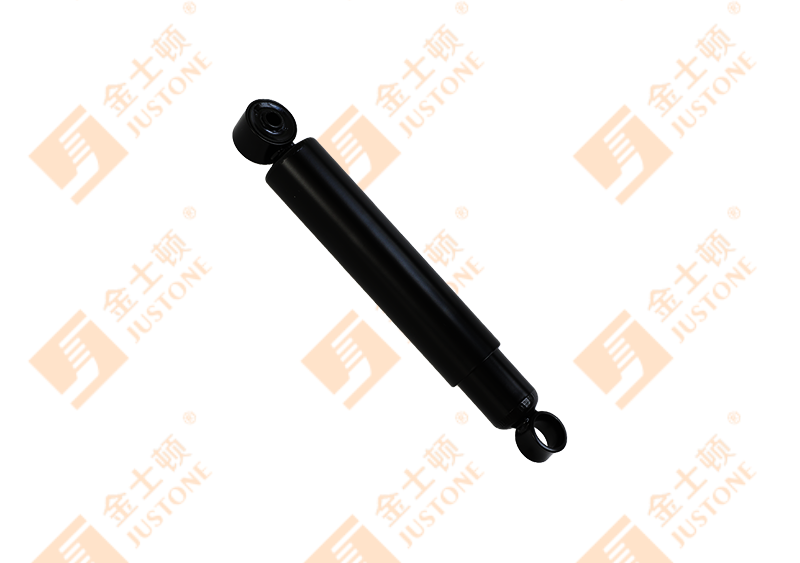
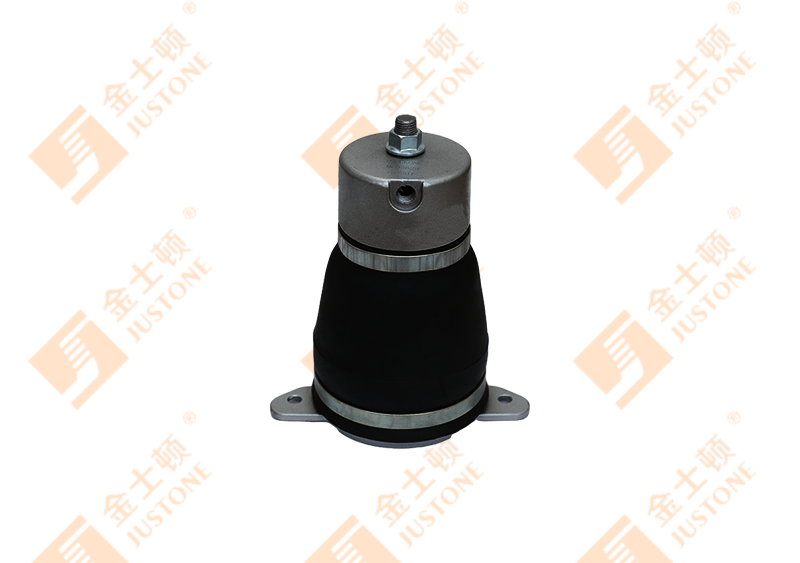
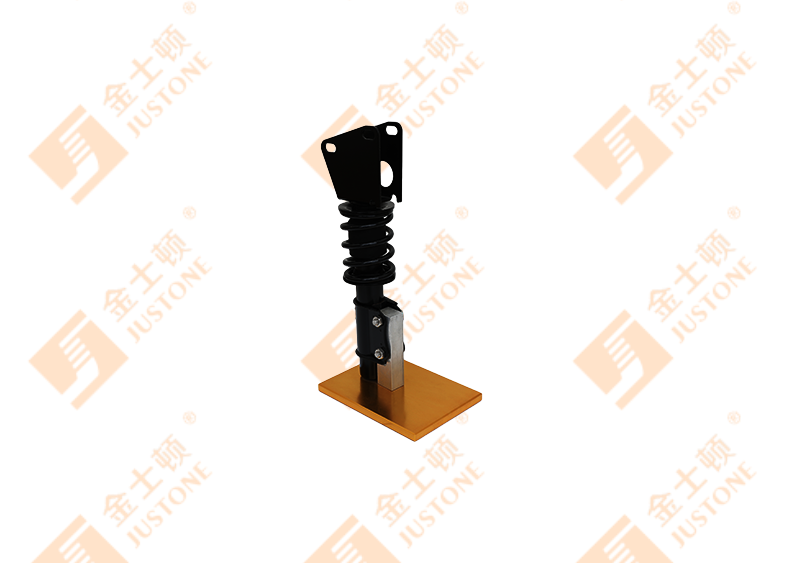
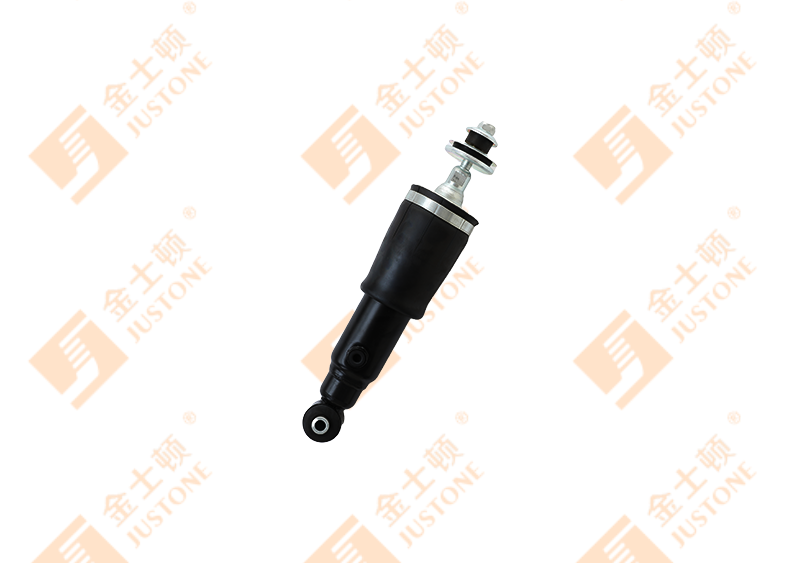
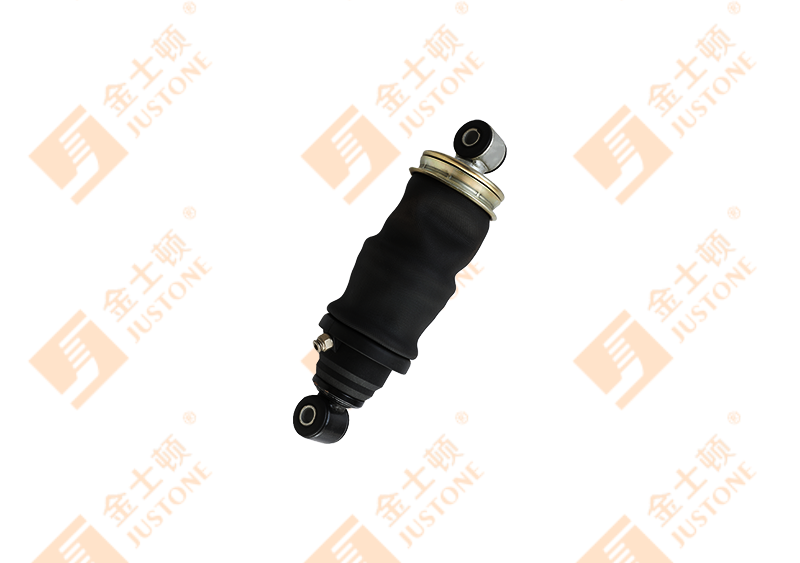
Didn't find a product that suits you?
Contact us for the latest news.

Content
For drivers prioritizing cabin comfort during highway cruising and loaded hauling, the Bilstein B6 4600 Series stands out as the best overall drive-down cabin shock absorber due to its monotube design that eliminates fade and maintains consistent damping under heavy loads. For budget-conscious buyers seeking a significant improvement over stock without sacrificing daily drivability, the KYB Gas-a-Just offers the best value with a high-pressure gas charge that prevents fluid aeration. If your primary goal is isolating cabin vibrations from rough pavement, the Monroe OESpectrum provides superior low-speed compliance through its Precision Valve Technology.
Selecting the correct shock is not merely about brand loyalty; it requires matching the internal valving to your specific vehicle weight and typical cargo load. A mismatched shock can lead to premature bushing wear, increased cabin noise, and unsafe braking distances when fully loaded.
Understanding the mechanical differences between shock types is essential for achieving the desired "drive-down" feel. The cabin experience is directly dictated by how quickly the shock reacts to road inputs and how effectively it dissipates heat generated by suspension cycling.
Drive-down performance changes drastically with payload. Standard OEM replacement shocks often lack the digressive valving needed to control body roll when the cabin is carrying passengers or gear. Digressive valving provides firm control during high-speed suspension movements (like potholes) while remaining compliant during low-speed movements (like expansion joints), creating a planted yet comfortable cabin environment.
The following data compares three market-leading options specifically evaluated for cabin isolation and load-bearing consistency. Testing parameters include damping force variance at operating temperature and subjective NVH (Noise, Vibration, Harshness) ratings.
| Model | Construction | Gas Pressure | Best Cabin Application |
|---|---|---|---|
| Bilstein B6 4600 | Monotube | 360 PSI | Heavy Load / Highway Stability |
| KYB Gas-a-Just | Monotube | 435 PSI | Budget Performance / Daily Driver |
| Monroe OESpectrum | Twin-Tube | Variable | Max Comfort / Light Load |
| Rancho RS9000XL | Tri-Tube | Adjustable | Versatile / Changing Payloads |
Data indicates that while the Monroe unit offers the softest initial stroke, the KYB Gas-a-Just maintains 92% of its rated damping force at 180°F, whereas comparable twin-tube designs can lose up to 35% effectiveness under identical thermal stress. For vehicles frequently driven at highway speeds with cabin occupants, this thermal stability translates directly to reduced fatigue and consistent handling.
Even the best drive-down cabin shock absorbers will fail to deliver promised comfort if installed incorrectly or paired with worn components. The suspension system functions as an integrated unit, and neglecting ancillary parts negates the benefits of premium dampers.
Premium cabin-focused shocks typically last 50,000 to 75,000 miles under normal mixed-use conditions. However, vehicles frequently carrying maximum payload or traversing unpaved roads may require inspection at 30,000-mile intervals. Key indicators of degradation include increased cabin pitch during braking, excessive rebound after speed bumps, and visible oil seepage past the seal. Addressing these signs promptly preserves both ride quality and vehicle safety.
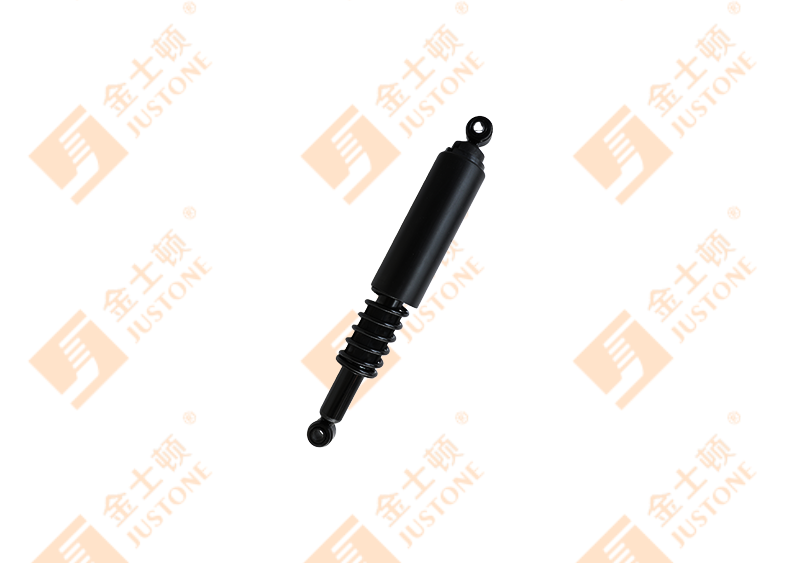
Contact us for the latest news.
Copyright @ Hangzhou Justone Industry Co., Ltd.
 OEM Commercial Vehicle Shock Absorbers Manufacturers
Wholesale Car Shock Absorbers Factory
OEM Commercial Vehicle Shock Absorbers Manufacturers
Wholesale Car Shock Absorbers Factory