English
 Deutsch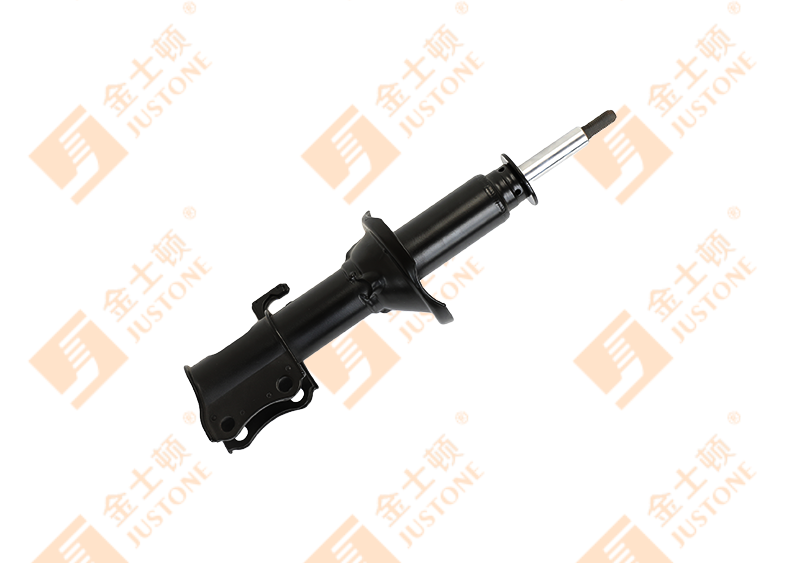
Didn't find a product that suits you?
Contact us for the latest news.

Content
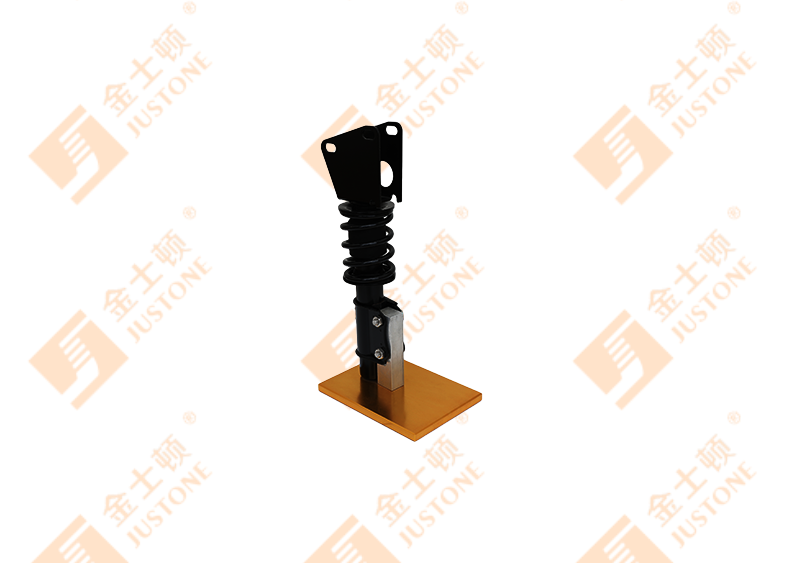
Shock absorbers are a critical component of heavy truck chassis systems. They regulate the suspension movement, improve ride comfort, and maintain tire contact with the road. Beyond safety and handling, shock absorbers can also influence fuel consumption. Efficient shock absorption reduces energy losses caused by excessive chassis movement and uneven road surfaces. This article explores how heavy truck chassis shock absorbers affect fuel efficiency and overall vehicle performance.
Shock absorbers, also called dampers, control the oscillations of the vehicle suspension. When a truck encounters bumps or uneven surfaces, the suspension springs compress and extend. Shock absorbers dampen these movements by converting kinetic energy into heat energy through hydraulic or pneumatic resistance. Properly functioning shock absorbers maintain optimal tire contact, reduce chassis vibrations, and improve stability.
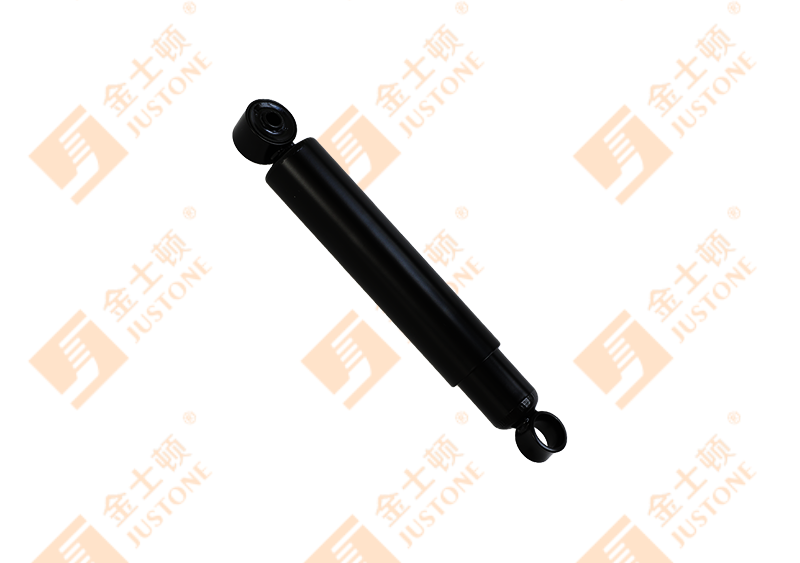
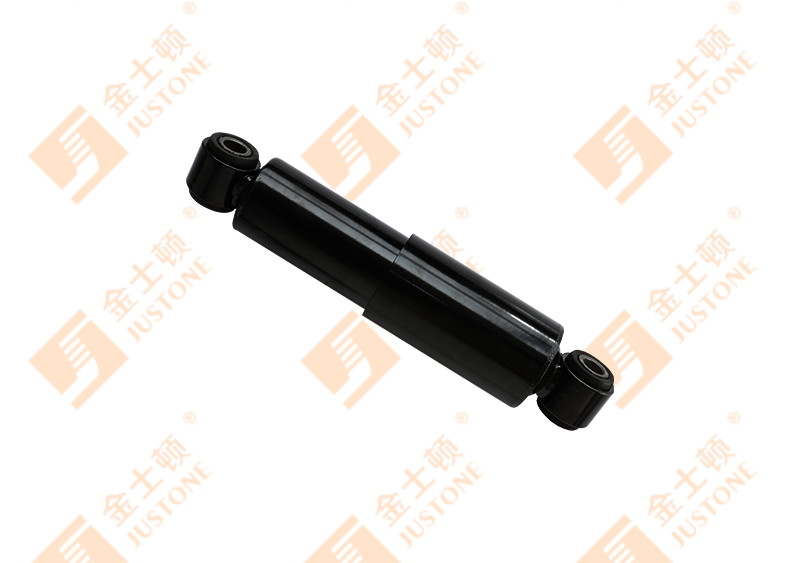
Hydraulic shock absorbers use fluid-filled chambers to resist suspension motion. When the piston moves within the cylinder, fluid passes through valves, providing controlled resistance. This resistance reduces excessive bouncing, ensuring that energy is not wasted on unnecessary suspension motion. For fuel consumption, this translates to more efficient energy transfer from the engine to the wheels.
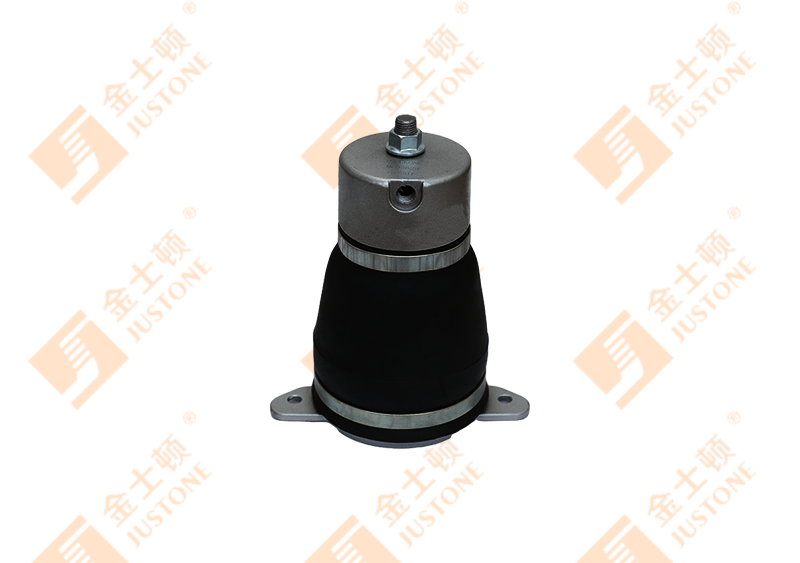
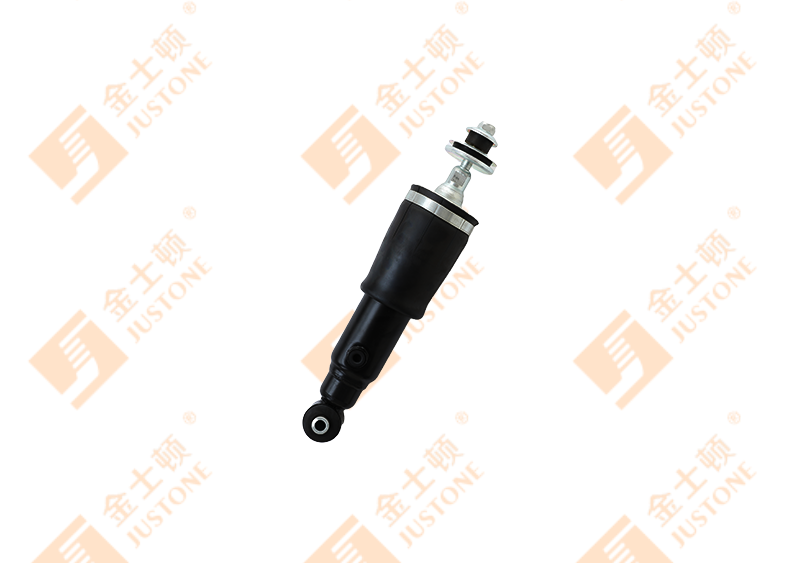
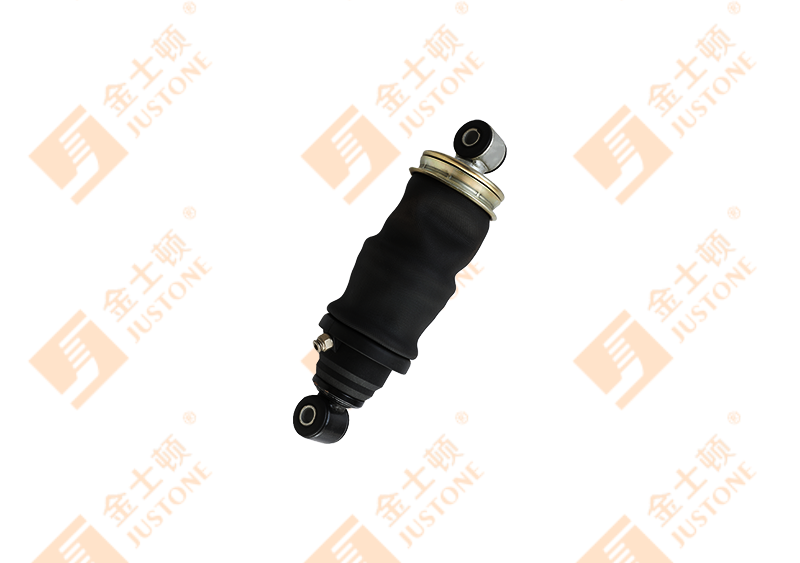
Air suspension shock absorbers combine air springs with hydraulic dampers. They provide adjustable stiffness based on load weight and road conditions. This adaptability helps maintain consistent vehicle height and balance, reducing drag caused by chassis oscillation. As a result, fuel efficiency improves, particularly on long-haul routes or heavy load operations.
Shock absorbers affect fuel consumption indirectly by influencing chassis dynamics, tire wear, and engine efficiency. Key factors include:
When shock absorbers are worn or damaged, trucks experience excessive bouncing and swaying. This results in several fuel-inefficient conditions:
Several variables determine how much shock absorbers impact fuel consumption:
The materials and internal design of shock absorbers can influence energy efficiency. High-quality dampers with durable materials provide consistent resistance and longer service life. Common design considerations include:
| Shock Absorber Type | Energy Efficiency | Fuel Impact | Best Use |
| Hydraulic | Moderate | Slight increase if worn | General trucking |
| Gas-Charged | High | Minimal fuel impact | Long-haul, heavy loads |
| Air Suspension | Very High | Improves fuel efficiency | Variable loads, rough roads |
Proper maintenance of heavy truck chassis shock absorbers can help maximize fuel efficiency. Recommended practices include:
Heavy truck chassis shock absorbers play a significant role in fuel consumption by affecting suspension dynamics, tire contact, and energy efficiency. Proper selection, high-quality design, and regular maintenance ensure that trucks achieve better fuel economy while maintaining safety and ride comfort. Understanding how shock absorbers interact with chassis and load conditions allows operators to optimize performance and reduce operating costs over the truck's lifespan.
Contact us for the latest news.
Copyright @ Hangzhou Justone Industry Co., Ltd.
 OEM Commercial Vehicle Shock Absorbers Manufacturers
Wholesale Car Shock Absorbers Factory
OEM Commercial Vehicle Shock Absorbers Manufacturers
Wholesale Car Shock Absorbers Factory