English
 Deutsch
Didn't find a product that suits you?
Contact us for the latest news.

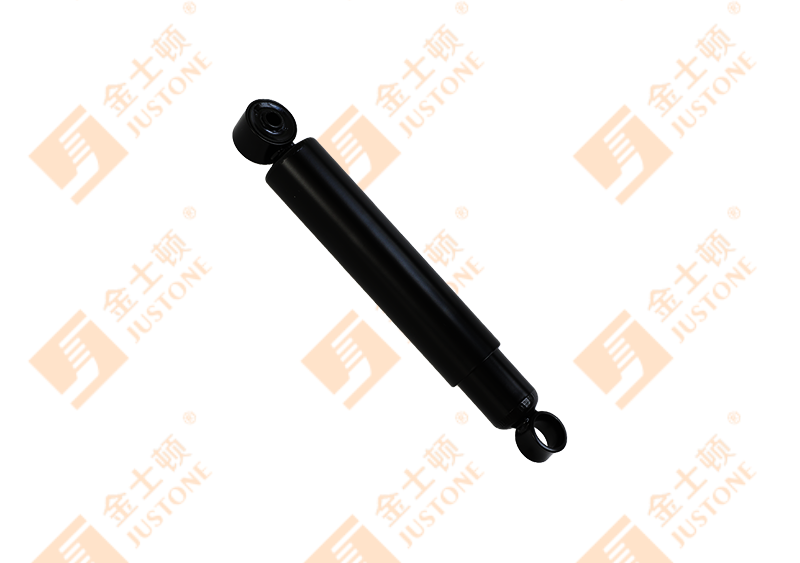
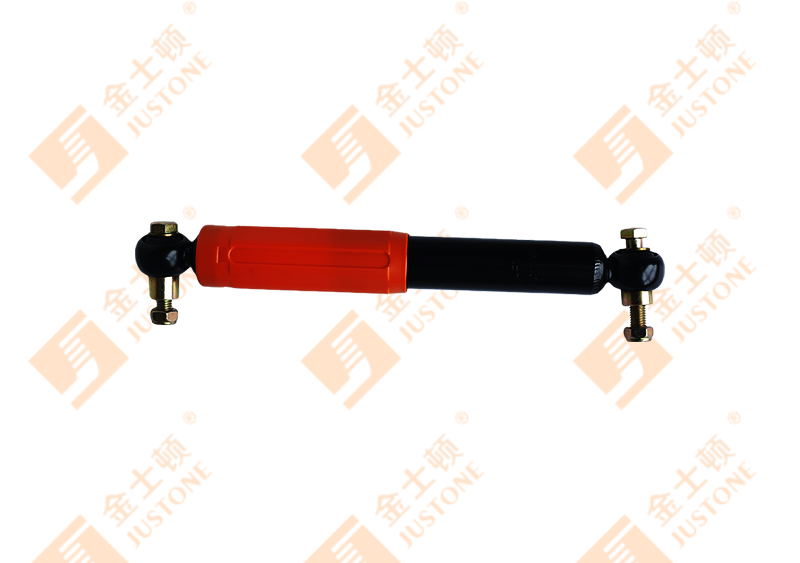
Trailer dampers are playing an increasingly important role in modern logistics as transportation networks expand and delivery expectations continue to rise. Once viewed primarily as comfort components, trailer dampers are now recognized as critical systems that support load stability, vehicle control, and cargo protection. With growing demand for faster deliveries, heavier payloads, and longer transport distances, logistics operators are placing greater emphasis on suspension performance.
As supply chains become more complex, trailer dampers are evolving to meet new operational challenges. Manufacturers are responding with improved materials, application-specific designs, and enhanced durability, helping fleets maintain consistent performance across diverse road conditions and usage scenarios.
Content
Global logistics growth has led to higher freight volumes and tighter delivery schedules. Trailers are now expected to operate continuously across highways, urban roads, and industrial zones, often carrying variable loads. These conditions place increased stress on suspension systems, making reliable trailer dampers essential for maintaining vehicle stability.
Modern trailer dampers are engineered to manage greater vibration loads while maintaining consistent damping force. This helps reduce trailer sway, minimize bouncing, and improve tire contact with the road surface. For fleet operators, these improvements translate into safer handling and reduced wear on related components.
These expectations are shaping how trailer dampers are designed, tested, and deployed across commercial transport fleets.
Cargo protection has become a top priority as logistics providers transport higher-value goods such as electronics, pharmaceuticals, and precision equipment. Excessive vibration and shock can damage sensitive products, leading to financial losses and customer dissatisfaction. Trailer dampers help mitigate these risks by absorbing road impacts and controlling suspension movement.
By stabilizing trailer motion, dampers reduce the transfer of road-induced forces to cargo areas. This is particularly important for temperature-controlled trailers and palletized shipments, where even small shifts can affect packaging integrity or product quality.
| Transport Scenario | Damper Function | Operational Benefit |
| Long-distance hauling | Continuous vibration control | Reduced cargo fatigue |
| Urban delivery | Rapid response to road irregularities | Improved ride stability |
| Heavy-load transport | Enhanced damping force | Better load distribution |
Logistics networks span highways, rural roads, ports, and industrial parks, each presenting different surface conditions. Trailer dampers must perform consistently across these environments while withstanding exposure to dust, moisture, and temperature fluctuations. Manufacturers are addressing these challenges by introducing corrosion-resistant coatings and reinforced sealing systems.
In regions with rough terrain or frequent stop-and-go traffic, dampers with higher energy absorption capacity help manage repeated suspension cycles. For cross-border transport, durability becomes even more critical, as trailers may operate for extended periods without scheduled maintenance.
Fleet operators are increasingly adopting data-driven maintenance programs to reduce downtime and extend equipment life. Trailer dampers are now selected based on lifecycle performance rather than initial cost alone. Predictable wear patterns and consistent damping characteristics support planned replacement schedules and help prevent unexpected failures.
Some logistics providers also align damper specifications across their fleets to simplify spare parts management and technician training. Standardized components improve service efficiency and ensure consistent ride quality across different trailer models.
While trailer dampers primarily affect cargo stability, they also influence overall vehicle dynamics. Improved damping reduces trailer oscillation, which supports safer braking and cornering. This contributes to better control during emergency maneuvers and enhances confidence for drivers operating under demanding conditions.
In addition, smoother trailer movement reduces vibration transmitted to tractor units, supporting driver comfort during long shifts. Over time, this can contribute to reduced fatigue and improved operational productivity.
As logistics continues to evolve, trailer dampers are expected to advance further in performance and adaptability. Ongoing research focuses on materials that balance strength and weight, as well as damping technologies that respond more precisely to changing load conditions.
Looking ahead, growth in e-commerce, cold-chain transport, and cross-border freight will continue to influence damper requirements. Trailer dampers are transitioning from standard mechanical components to strategic elements of logistics infrastructure, supporting safer transport, better cargo protection, and more efficient fleet operations in an increasingly demanding global market.
Contact us for the latest news.
Copyright @ Hangzhou Justone Industry Co., Ltd.
 OEM Commercial Vehicle Shock Absorbers Manufacturers
Wholesale Car Shock Absorbers Factory
OEM Commercial Vehicle Shock Absorbers Manufacturers
Wholesale Car Shock Absorbers Factory