English
 Deutsch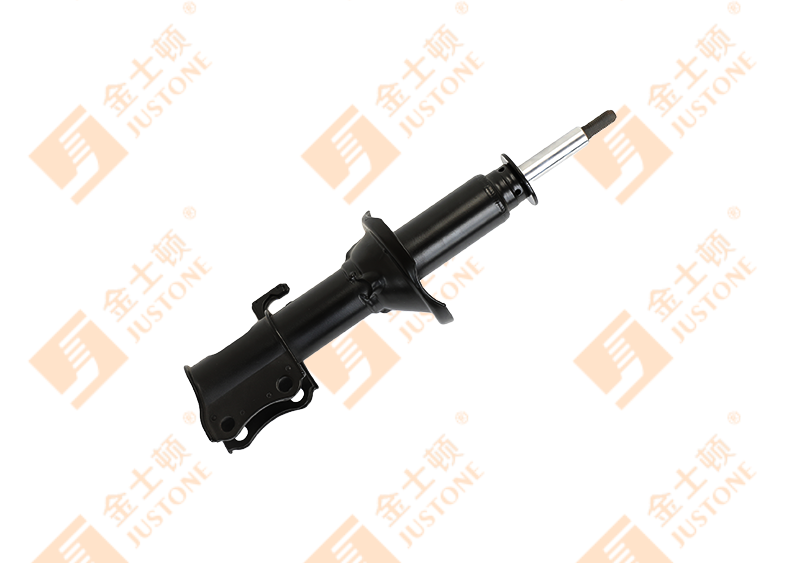
Didn't find a product that suits you?
Contact us for the latest news.

Content
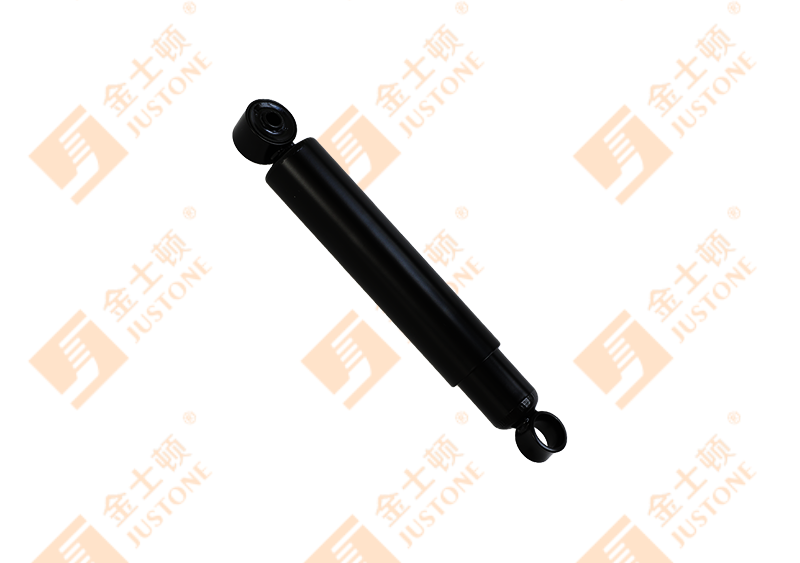
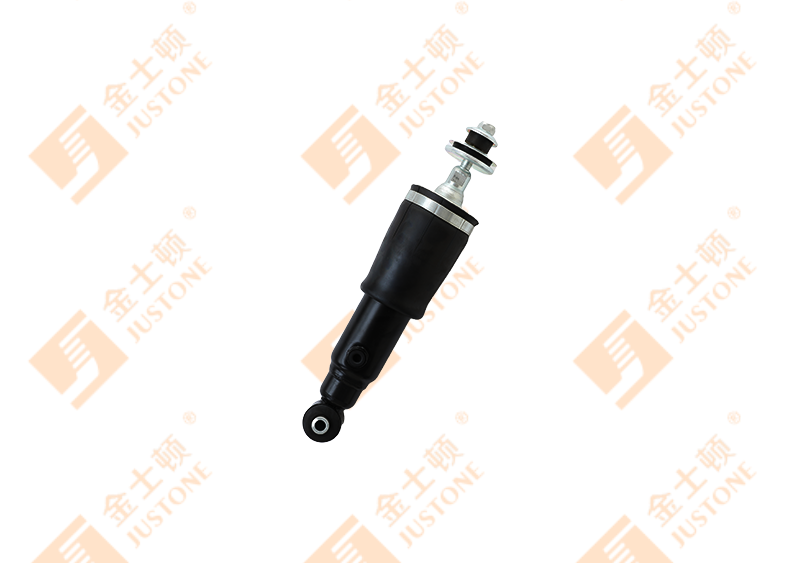
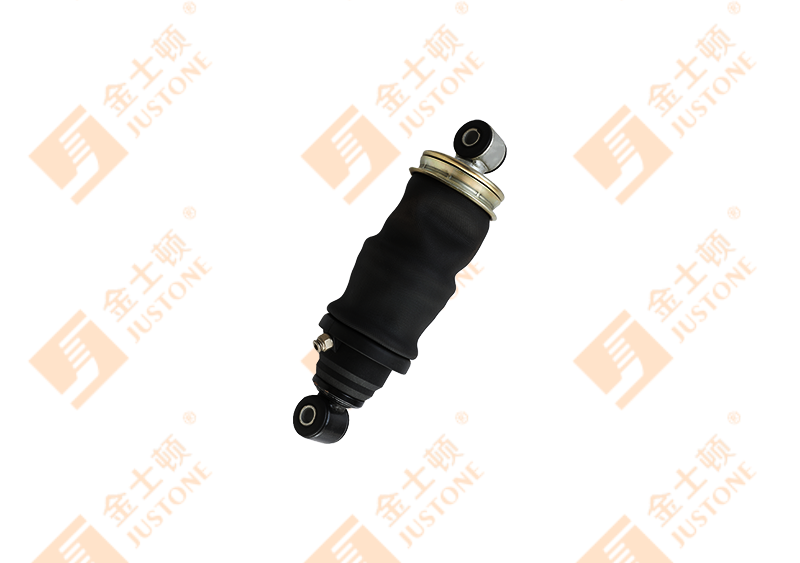
The Heavy Truck Chassis Shock Absorbers forms the backbone of large commercial vehicles, directly influencing stability, load distribution, and overall performance. A well-designed chassis ensures that trucks can safely and efficiently handle long-distance hauling, even under heavy or uneven loads. This article explores how chassis design and construction enhance stability and reliability in heavy trucking.
A truck chassis must combine strength, durability, and flexibility. Most heavy truck chassis are made of high-strength steel or alloy materials, which provide resistance to bending and torsion under heavy loads. Key design elements include:
Effective load distribution is critical to maintaining stability on highways. The chassis design determines how the truck's weight is distributed across axles, which affects handling, braking, and tire wear. Techniques to enhance load balance include:
Suspension systems are integral to the chassis, absorbing road irregularities and maintaining stability. Common features include:
Torsional rigidity is critical for maintaining vehicle stability, especially on uneven terrain. Chassis components are engineered to resist twisting and bending forces. Design considerations include:
A robust chassis directly affects driver control and safety. Benefits include:
Proper maintenance of the chassis is essential for long-term stability and performance. Key practices include:
Different chassis designs offer varying levels of stability and load capacity:
| Chassis Type | Advantages | Disadvantages |
| Ladder Frame | High load capacity, durability | Heavier, less aerodynamic |
| Tubular Frame | Lightweight, good torsional resistance | Complex manufacturing |
| Modular/Composite Frame | Customizable, corrosion-resistant | Higher cost, specialized repair |
The heavy truck chassis is a critical component for ensuring stability, safety, and performance in long-distance hauling. Through careful design of materials, structural geometry, load distribution, and suspension integration, modern chassis enhance driving comfort, reduce wear and tear, and improve operational efficiency. Investing in high-quality chassis systems ultimately provides a safer and more reliable foundation for heavy-duty transportation.
Contact us for the latest news.
Copyright @ Hangzhou Justone Industry Co., Ltd.
 OEM Commercial Vehicle Shock Absorbers Manufacturers
Wholesale Car Shock Absorbers Factory
OEM Commercial Vehicle Shock Absorbers Manufacturers
Wholesale Car Shock Absorbers Factory