English
 Deutsch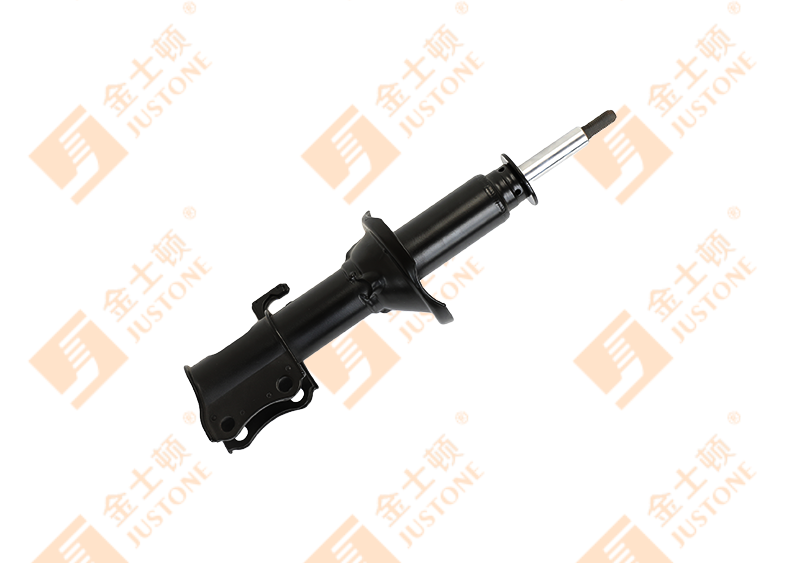
Didn't find a product that suits you?
Contact us for the latest news.

Content
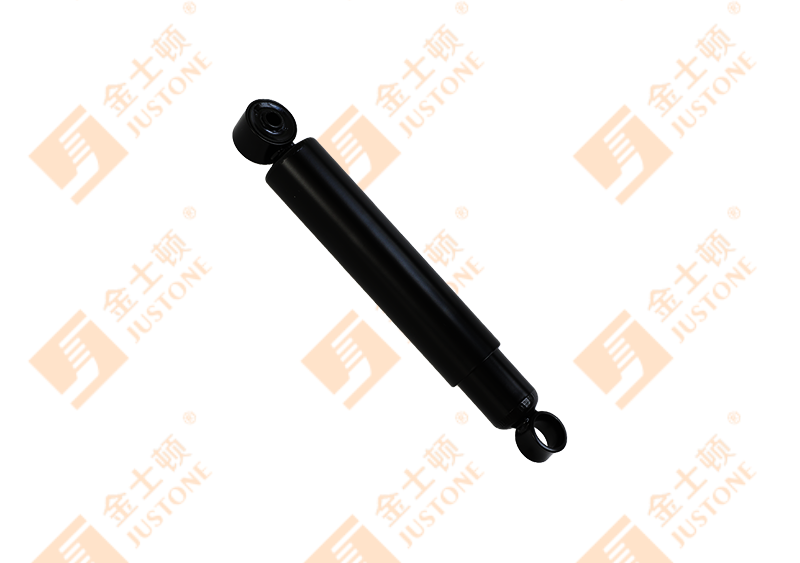
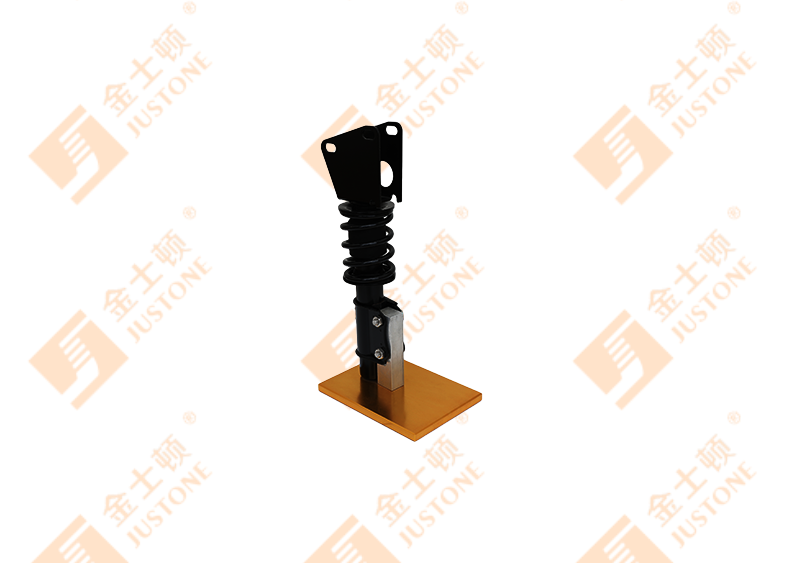
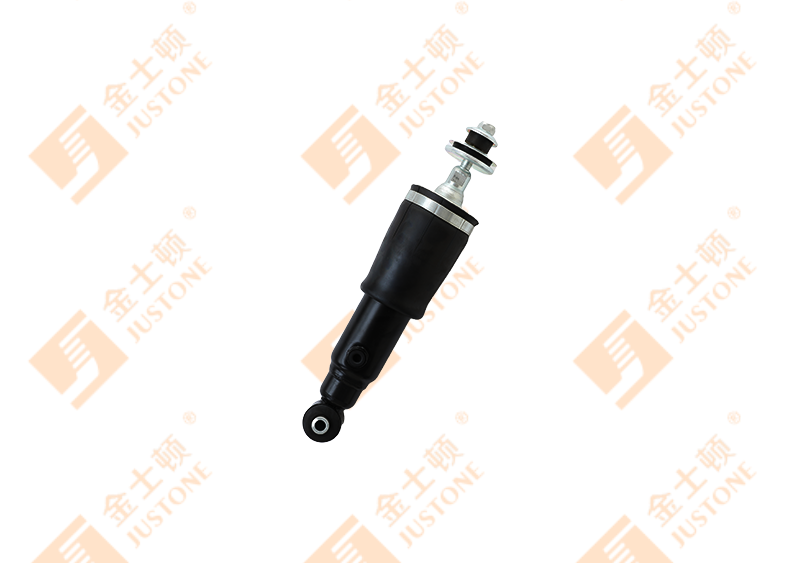
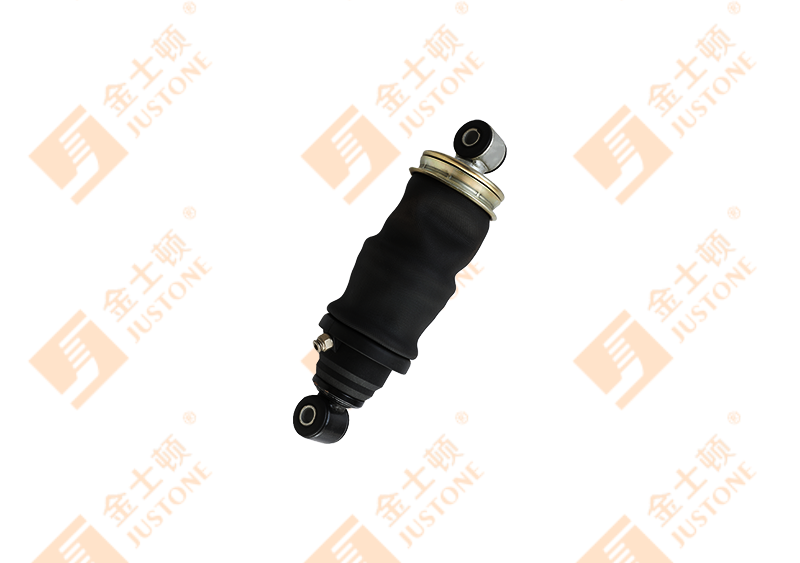
Cabin shock absorbers are specialized components designed to reduce vibrations and noise within the vehicle cabin. Primarily used in trucks, heavy machinery, and commercial vehicles, these absorbers enhance driver comfort and protect sensitive cabin components from mechanical stress. By isolating the cabin from road shocks, engine vibrations, and suspension movements, they play a crucial role in both safety and operational efficiency.
Understanding the effectiveness of cabin shock absorbers requires analyzing their design, materials, and placement, as well as the types of vibrations they mitigate.
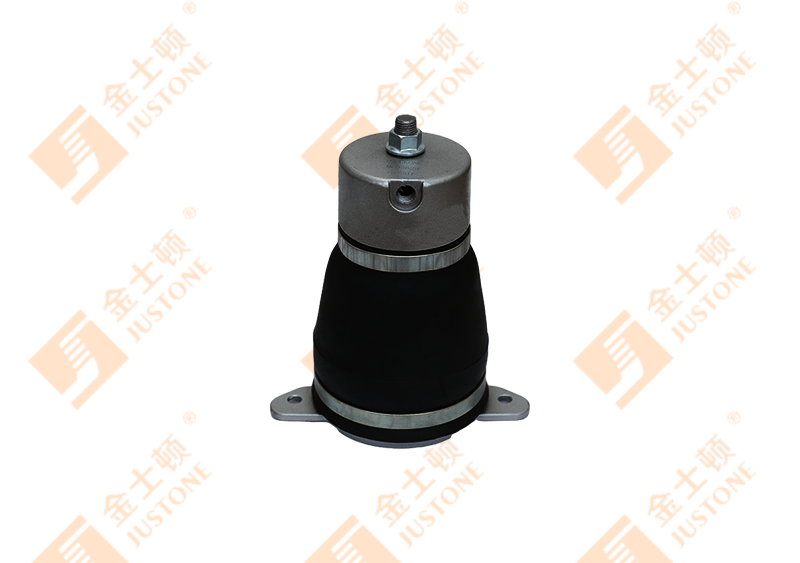
Cabin shock absorbers operate by converting kinetic energy from vibrations into heat, which is then dissipated. They typically consist of hydraulic or pneumatic systems combined with elastomeric mounts that cushion the cabin. The combination of damping materials and mechanical design reduces the amplitude of vibrations transmitted from the chassis and suspension system.
Hydraulic shock absorbers use fluid movement within a cylinder to resist motion. As the cabin moves, fluid passes through valves that create resistance, reducing vibrations. This system is highly effective in mitigating low-frequency shocks, such as bumps or uneven road surfaces.
Elastomeric mounts, often made of rubber or polyurethane, provide additional damping by absorbing high-frequency vibrations from engines and road noise. These mounts are flexible yet durable, offering long-term vibration reduction without significant wear.
Cabin shock absorbers significantly reduce both vertical and lateral vibrations. Their effectiveness depends on factors such as vehicle type, weight distribution, absorber quality, and installation accuracy. Studies indicate that properly installed shock absorbers can reduce cabin vibrations by up to 60-80%, depending on road conditions and vehicle load.
Low-frequency vibrations, typically caused by road undulations, potholes, or vehicle suspension movements, are most noticeable to drivers. Hydraulic shock absorbers are particularly effective in damping these vibrations, resulting in a smoother ride and reduced driver fatigue.
High-frequency vibrations from engine operation, exhaust systems, or minor road irregularities are less perceptible but can lead to long-term discomfort and noise. Elastomeric mounts help mitigate these vibrations by absorbing rapid oscillations and preventing transmission to the cabin interior.
Cabin shock absorbers also contribute to noise reduction by isolating the cabin from mechanical and structural vibrations. Vibrations transmitted through the chassis can generate resonant sounds, which are attenuated by absorbers. This not only improves comfort but also enhances communication and concentration for drivers.
Many modern cabin shock absorbers combine vibration and acoustic damping techniques. Materials with sound-absorbing properties are integrated into the mounts or housing, providing dual benefits of reducing both mechanical vibrations and airborne noise.
The effectiveness of cabin shock absorbers is influenced by several factors:
| Type | Primary Function | Best Application |
| Hydraulic Shock Absorbers | Dampen low-frequency vibrations | Heavy trucks, buses, construction vehicles |
| Elastomeric Mounts | Absorb high-frequency vibrations | All vehicle cabins, especially diesel engines |
| Hybrid Systems | Combine vibration and noise damping | Luxury vehicles, specialized machinery cabins |
To ensure the long-term effectiveness of cabin shock absorbers, regular inspection and maintenance are essential. Check for oil leaks, rubber degradation, and loose mounts. Replace worn or damaged components promptly to maintain vibration and noise reduction performance.
Cabin shock absorbers are highly effective in reducing both vibration and noise, enhancing driver comfort, safety, and vehicle longevity. By selecting the right type of absorber, ensuring proper installation, and maintaining components regularly, operators can achieve optimal vibration isolation and a quieter, smoother ride experience.
Contact us for the latest news.
Copyright @ Hangzhou Justone Industry Co., Ltd.
 OEM Commercial Vehicle Shock Absorbers Manufacturers
Wholesale Car Shock Absorbers Factory
OEM Commercial Vehicle Shock Absorbers Manufacturers
Wholesale Car Shock Absorbers Factory