English
 Deutsch
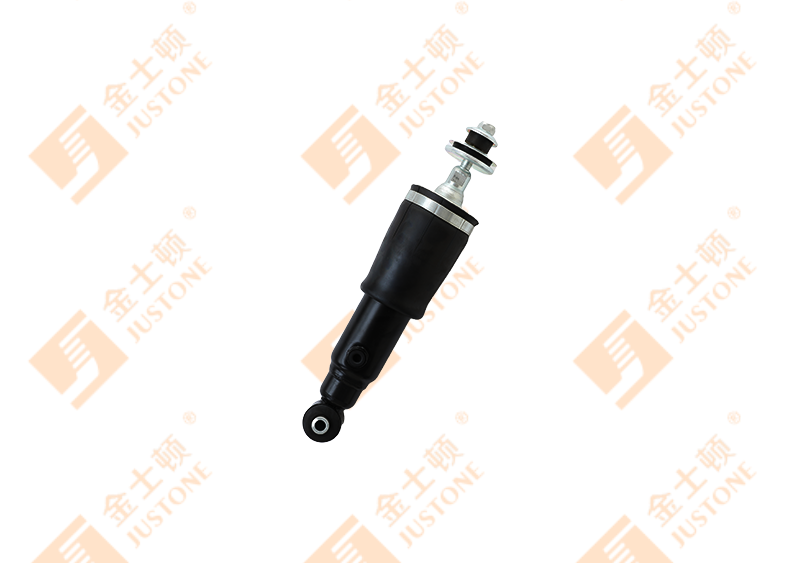
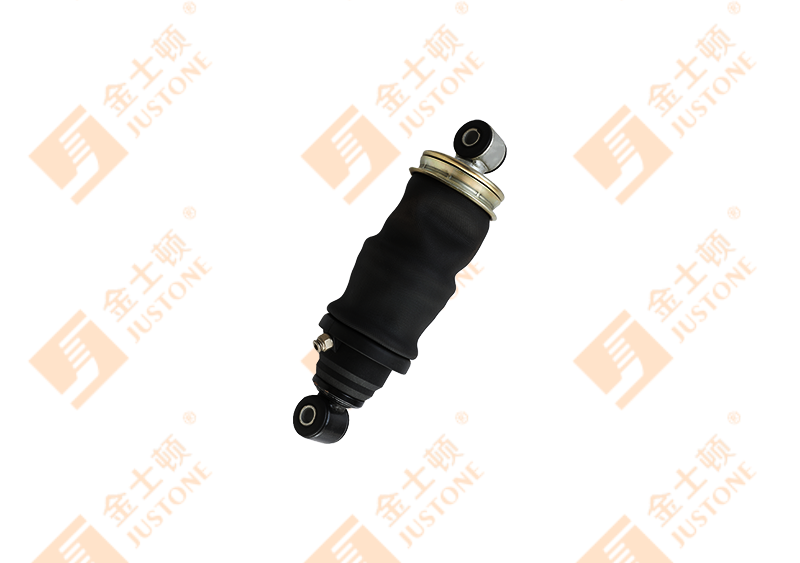
Didn't find a product that suits you?
Contact us for the latest news.

Content
Gas shocks outperform hydraulic shocks in most modern driving scenarios. They offer better fade resistance, improved handling consistency, and a more responsive ride. However, hydraulic (oil) shocks remain a cost-effective and perfectly adequate choice for light-duty, low-speed, or budget-conscious applications. The right pick depends on your vehicle type, driving habits, and performance expectations.
Hydraulic shocks use pressurized hydraulic fluid (oil) forced through small valves to dampen suspension movement. They typically use a twin-tube design with an inner working cylinder and an outer reserve tube. When the piston moves, oil transfers between the two chambers, generating resistance that absorbs road impacts.
The main weakness of pure hydraulic shocks is aeration—under repeated or aggressive compression, air mixes with the oil, creating foam. Foamy fluid loses its damping consistency, a phenomenon known as "shock fade."
Gas shocks introduce pressurized nitrogen gas (typically at 100–360 psi) into the shock body. This pressure prevents oil from aerating, maintaining consistent damping even under heat and heavy use. Most gas shocks use a mono-tube or pressurized twin-tube design.
Nitrogen is used rather than air because it is a dry, inert gas that doesn't react with the oil or the shock's internal components, ensuring long-term stability.
| Feature | Hydraulic Shocks | Gas Shocks |
|---|---|---|
| Fade Resistance | Low – prone to aeration | High – nitrogen prevents foaming |
| Ride Comfort | Softer, more compliant | Firmer, more controlled |
| Handling | Adequate for normal driving | Superior at higher speeds |
| Heat Tolerance | Degrades under heat | Stable under thermal stress |
| Cost | $20–$60 per unit (typical) | $50–$150+ per unit (typical) |
| Lifespan | ~50,000 miles average | ~75,000–100,000 miles average |
| Best Use Case | City driving, older vehicles | Towing, off-road, performance |
Hydraulic shocks are inherently softer because they operate without pre-pressurization. This makes them feel more forgiving over potholes and uneven pavement — a reasonable trait for older sedans or light commuter vehicles rarely pushed beyond 60 mph.
Gas shocks, by contrast, have a slightly stiffer initial feel due to the nitrogen charge. Most drivers notice better body control, reduced nose-dive during braking, and less body roll in corners. For drivers used to purely hydraulic setups, the transition to gas shocks can feel noticeably tighter — which most performance-oriented drivers prefer.
In a real-world example: replacing worn hydraulic shocks on a mid-size pickup truck with KYB Gas-a-Just shocks (a popular mono-tube gas unit) typically yields a measurable reduction in stopping distance and sway during lane changes, especially when the vehicle is loaded.
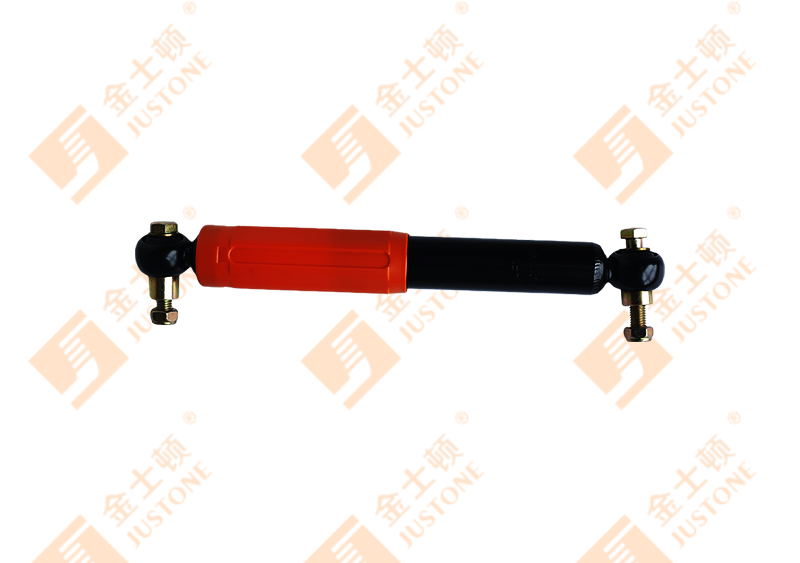
This is where the gap between the two types becomes most apparent. Under the following conditions, gas shocks hold a clear advantage:
For standard city commuting at moderate speeds, however, hydraulic shocks degrade slowly enough that most drivers never notice a problem until the shocks are well past their service life.
Hydraulic shocks typically require replacement around the 50,000-mile mark, though many wear out faster in harsh climates or on rough roads. Their twin-tube construction makes them more susceptible to internal contamination if the seals fail.
Gas shocks generally last between 75,000 and 100,000 miles, though premium brands like Bilstein or Fox Racing may exceed this range with proper care. The pressurized nitrogen environment reduces internal corrosion and keeps the oil cleaner over time.
One practical maintenance note: gas shocks should not be stored or installed horizontally for extended periods, as the gas charge can migrate and cause temporary damping inconsistencies. Always orient them vertically during storage.
Upfront, hydraulic shocks are the cheaper option. A basic set of four hydraulic shocks for a common sedan might cost $80–$200 total, while an equivalent gas shock set runs $200–$600 or more depending on the brand and vehicle.
However, when you factor in lifespan, the cost-per-mile difference shrinks considerably. Gas shocks replaced every 90,000 miles often work out to a lower long-term cost than hydraulic shocks replaced every 45,000–50,000 miles — while also delivering better performance throughout their service life.
For budget builds, daily drivers, or older vehicles approaching end-of-life, hydraulic shocks remain a sensible economic choice. For any vehicle you plan to keep long-term or use under demanding conditions, gas shocks are the better investment.
Hydraulic shocks are still a valid choice in certain situations:
Gas shocks are the recommended upgrade for most drivers. Choose them when:
For most drivers replacing shocks today, gas shocks are the better all-around choice. They last longer, perform more consistently, and improve handling and safety in ways that hydraulic shocks simply can't match under repeated stress. The price premium is modest and pays off over time.
Hydraulic shocks aren't obsolete — they're still practical for specific low-demand applications. But if you're choosing between the two for a vehicle you rely on daily, the performance and durability advantages of gas shocks make them the smarter investment in virtually every scenario.
Contact us for the latest news.
Copyright @ Hangzhou Justone Industry Co., Ltd.
 OEM Commercial Vehicle Shock Absorbers Manufacturers
Wholesale Car Shock Absorbers Factory
OEM Commercial Vehicle Shock Absorbers Manufacturers
Wholesale Car Shock Absorbers Factory