English
 Deutsch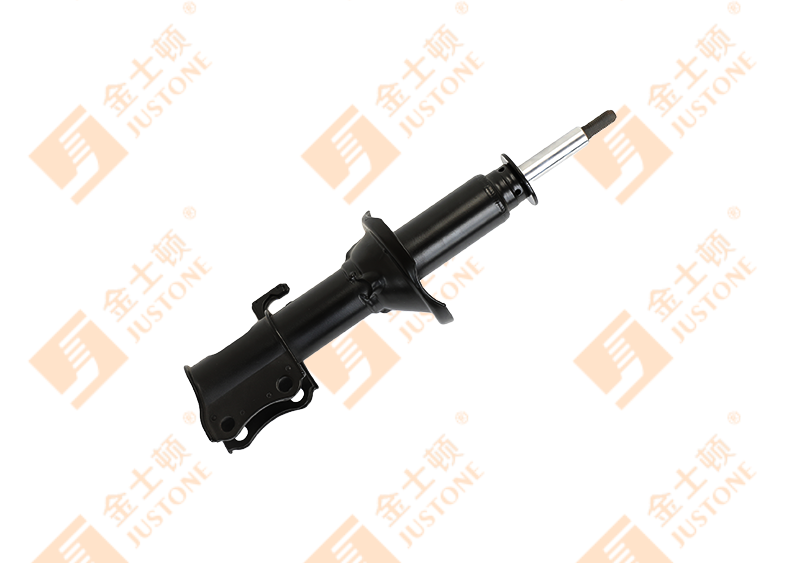
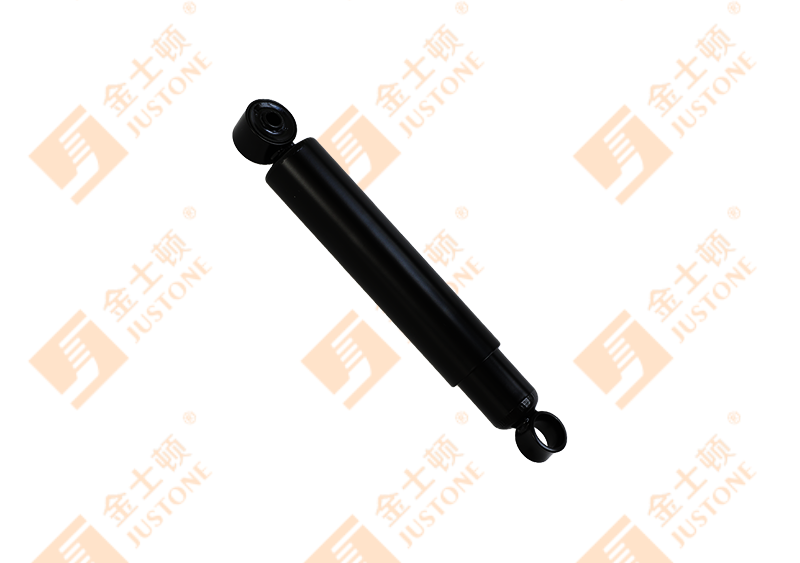
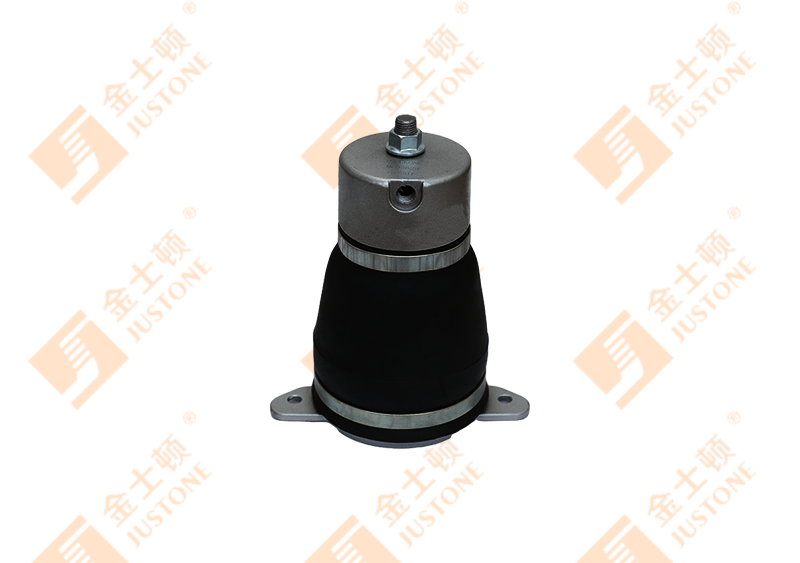
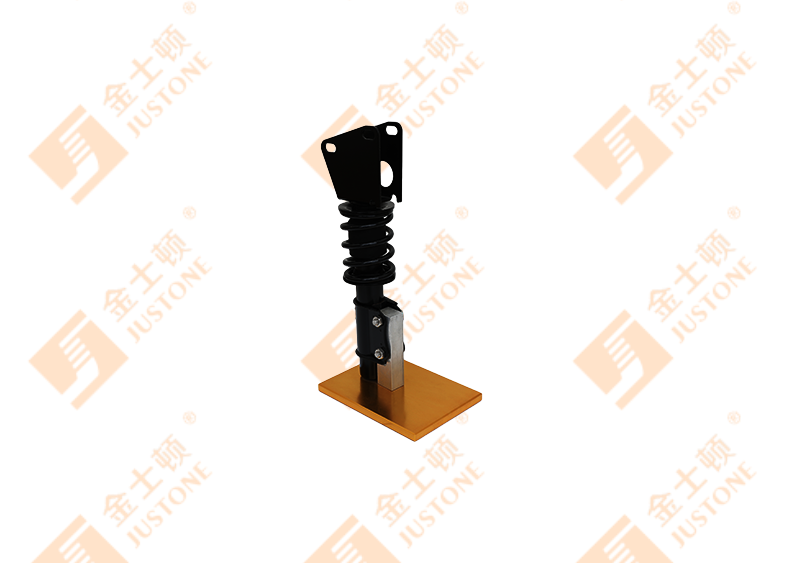
Didn't find a product that suits you?
Contact us for the latest news.

Lowering springs typically take 500 to 1,500 miles of normal driving to fully settle, with most of the drop occurring in the first 200–500 miles. After that initial break-in period, ride height stabilizes and you can accurately measure whether the springs delivered the drop advertised. If you've also upgraded or are planning to upgrade your rear shocks alongside new springs, pairing the right heavy duty rear shocks to your spring rate is just as important as the springs themselves — mismatched components lead to poor handling, accelerated wear, and a ride that's either bouncy or excessively harsh.
Content
Spring settling is a physical process where the metal coils compress, cycle, and micro-adjust under load until they reach their permanent set — the point at which the spring wire no longer relaxes further. New springs are wound slightly taller than their rated free length to account for this predictable settling. A spring rated to drop your car 1.5 inches may only drop it 1.0–1.2 inches immediately after installation, reaching the full 1.5 inch drop after several hundred miles of use.
| Mileage After Install | Estimated Settling Progress | What to Expect |
|---|---|---|
| 0–50 miles | 20–30% | Noticeable initial drop; car sits higher than final height |
| 50–200 miles | 50–70% | Majority of drop occurs; ride begins to stabilize |
| 200–500 miles | 80–95% | Near-final height; small incremental changes still occurring |
| 500–1,500 miles | 100% | Springs fully set; measure final ride height accurately now |
These ranges vary based on spring material, wire diameter, and how aggressively you drive. Highway driving at consistent speeds settles springs more slowly than stop-and-go city driving or roads with frequent bumps and dips — varied compression cycles accelerate the process.
This is one of the most practically important points about spring settling: do not get your alignment done immediately after installing lowering springs. If you align the car before the springs have settled, the alignment will be set for the initial ride height, not the final one — and as the springs continue to drop over the next several hundred miles, your camber, caster, and toe will drift out of spec. Wait until at least 500 miles have passed before scheduling a post-install alignment. Many reputable shops specifically advise this, and some will tell you to come back after a break-in period for exactly this reason.
Lowering springs change the spring rate and reduce suspension travel — and your factory shocks were calibrated for neither of those changes. Stock shocks are designed to work within the factory spring's travel range and damping needs. When you install shorter, stiffer lowering springs without upgrading the shocks, the result is a shock that operates in a compressed range it wasn't tuned for, cycles faster than it can properly dampen, and wears out significantly faster than it would with matched springs.
Heavy duty rear shocks address this by offering firmer internal valving, longer service life under increased stress, and — in many cases — shortened body length to match reduced suspension travel. For trucks and SUVs that carry loads or tow, heavy duty rear shocks also prevent the "squat" behavior that occurs when a heavily loaded rear compresses the suspension fully, bottoming out weak factory dampers.
Not all heavy duty shocks are the same. The construction type determines how they perform under load, over rough terrain, and at different vehicle heights. Understanding the differences helps you match the right shock to your specific use case.
The most common design in both OEM and aftermarket applications. Twin-tube shocks have an inner working tube and an outer reserve tube. They are cost-effective and provide good ride quality for daily driving. Heavy duty twin-tube units — such as those from Monroe, Gabriel, or KYB — use thicker fluid, stiffer valving, and heavier-gauge steel compared to standard versions. They are best suited for daily drivers, light trucks, and vehicles with modest lowering (under 1.5 inches).
Monotube shocks use a single large-diameter tube with a floating piston separating the oil and high-pressure nitrogen gas. This design offers better heat dissipation, more consistent damping under repeated cycling, and a larger oil volume that resists fade. Monotube shocks are preferred for performance applications, aggressive driving, and vehicles with significant spring rate increases. Brands like Bilstein (their 5100 and B8 series), Fox, and KW use monotube designs in their performance-grade rear shocks. The trade-off is a firmer baseline ride compared to twin-tube units.
Remote reservoir shocks (also called piggyback or remote canister shocks) add an external fluid/gas reservoir connected to the main shock body via a hose or direct mount. This dramatically increases oil volume, nearly eliminates heat fade under sustained heavy use, and allows separate tuning of compression and rebound in high-end adjustable versions. These are primarily used for off-road trucks, overlanding vehicles, and towing applications where rear suspension sees extreme and repetitive loading. Fox 2.0 Performance Series, King OEM Performance, and Icon Vehicle Dynamics shocks are common examples. Expect to pay $250–$600+ per shock at this level.
Load-assist shocks incorporate a secondary coil spring or internal air bladder around the shock body that activates under heavy load, providing additional support without changing the normal unladen ride height. Air shocks — such as the Firestone Ride-Rite or Air Lift systems — allow adjustable air pressure to compensate for varying cargo and towing loads. These are specifically designed for trucks and vans that carry frequently varying loads rather than for performance lowering applications.
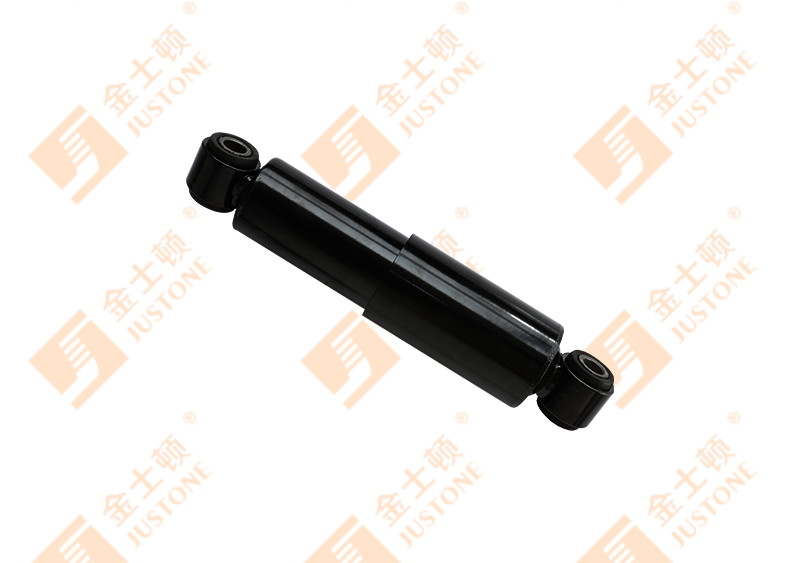
Pairing shocks and springs correctly requires matching three key parameters. Getting these wrong — even with quality components — produces a suspension that underperforms or damages itself prematurely.
| Parameter | Why It Matters | Rule of Thumb |
|---|---|---|
| Shock extended/collapsed length | Must match reduced travel of lowered suspension | Use shocks specifically rated for your drop amount (e.g., "for 1–2.5 inch lowering") |
| Damping rate / valving stiffness | Must match the higher spring rate of lowering springs | Stiffer springs need firmer damping; mismatched valving causes bounce or harshness |
| Load rating | Determines how much weight the shock can support without bottoming | Match or exceed factory shock load rating; for towing/hauling, select a higher-rated unit |
Many spring manufacturers — including Eibach, H&R, and Tein — sell matched spring-and-shock kits specifically to eliminate the guesswork. If you're buying springs and shocks separately, cross-reference the spring manufacturer's recommended shock list for your specific vehicle and drop amount. Installing a 2-inch drop spring with a shock designed for stock height will cause the shock to operate fully compressed at rest, eliminating available rebound travel and producing a jarring, uncontrolled ride over any significant bump.
The right shock depends on whether you're building a lowered daily driver, a load-hauling truck, or an off-road rig. Here are well-regarded options across these categories:
After installing lowering springs and heavy duty rear shocks together, follow this sequence to ensure everything is set up correctly and the system is given a proper break-in:
Contact us for the latest news.
Copyright @ Hangzhou Justone Industry Co., Ltd.
 OEM Commercial Vehicle Shock Absorbers Manufacturers
Wholesale Car Shock Absorbers Factory
OEM Commercial Vehicle Shock Absorbers Manufacturers
Wholesale Car Shock Absorbers Factory