Rebuilding a Shock Stabilizer Is Often Worth It — If Done Right
A shock stabilizer that has lost its damping ability does not always need to be thrown away. Professional shock rebuild service can restore a worn stabilizer to factory or better-than-factory performance at 40–70% of the cost of a new unit — particularly for high-end, performance, or hard-to-source shocks. That said, not every shock is a good rebuild candidate, and understanding the difference determines whether you spend wisely or waste money on a unit that should simply be replaced.
This guide covers how shock stabilizers work, what a rebuild service entails, when rebuilding makes sense, and what to look for in a qualified shop.
What a Shock Stabilizer Does and Why It Wears Out
A shock stabilizer — sometimes called a steering stabilizer or damper depending on its location — controls unwanted oscillation and absorbs kinetic energy from road inputs, steering feedback, or suspension travel. On off-road vehicles and heavy trucks, steering stabilizers specifically dampen shimmy and kickback through the steering system. On standard suspensions, shock stabilizers (or shock absorbers) control body roll, dive, and squat during acceleration, braking, and cornering.
All hydraulic shock stabilizers work on the same core principle: a piston moves through oil inside a sealed cylinder. Resistance to that movement — controlled by valve shims and orifices — is what provides damping force. Over time, three things degrade this system:
- Seal wear: The primary piston seal and rod seal degrade, allowing oil to bypass the piston or leak externally. This directly reduces damping force.
- Oil breakdown: Hydraulic fluid oxidizes and loses viscosity over time and heat cycles, changing the damping characteristics the shock was tuned for.
- Gas charge loss: Monotube and piggyback shocks use pressurized nitrogen to prevent oil cavitation. When the gas charge drops — typically below 150–200 psi — the oil froths under hard use and damping becomes inconsistent.
Most quality shock stabilizers begin showing measurable damping loss after 50,000–80,000 miles of normal use, though aggressive driving, off-road use, or heavy towing can accelerate wear significantly.
Signs Your Shock Stabilizer Needs Attention
Shock wear is gradual, which means many drivers adapt to the deteriorating handling without realizing it. Knowing the specific symptoms helps you catch problems before they compromise safety or cause secondary damage to tires and suspension components.
Steering Stabilizer Symptoms
- Death wobble or persistent steering shimmy above certain speeds (commonly 45–65 mph on lifted trucks)
- Steering wheel kickback over bumps or rough pavement
- Vague or wandering steering feel on highways
- Visible oil weeping around the stabilizer body or rod
Suspension Shock Stabilizer Symptoms
- Excessive body roll in corners or nose-dive under braking
- Vehicle continues to bounce after hitting a bump — more than one or two oscillations indicates damping loss
- Uneven or cupped tire wear, which results from the tire bouncing rather than maintaining contact with the road
- Oil streaking on the shock body — a wet shock is a failing shock
- Knocking or clunking from the suspension under compression or rebound
A simple field test: push firmly down on each corner of the vehicle and release. The body should return to ride height and stop within one cycle. If it continues bouncing, the shock on that corner has lost effective damping.
What a Professional Shock Rebuild Service Actually Involves
A shock rebuild is not simply a fluid change. A thorough professional rebuild disassembles the shock completely, inspects and machines internal components, replaces all wear items, and reassembles to precise specifications. Here is what the process involves at a qualified facility:
- Disassembly and inspection: The shock is depressurized, drained, and fully disassembled. The piston rod is measured for straightness (acceptable runout is typically under 0.002 inches), and the cylinder bore is inspected for scoring or corrosion.
- Component cleaning: All metal parts are cleaned ultrasonically or solvent-washed to remove degraded oil, metal particles, and contamination before inspection.
- Seal and wiper replacement: All seals, O-rings, and wipers are replaced with new parts — this is the core of any rebuild. Quality shops use OEM-spec or upgraded polyurethane seal kits.
- Valve and shim inspection: Piston and base valve shim stacks are inspected. Performance rebuilds may involve revalving — changing the shim stack configuration to alter compression and rebound damping characteristics for the vehicle's intended use.
- Fresh oil fill: The shock is filled with fresh hydraulic fluid of the correct viscosity. Most shocks use 2.5–10 weight shock oil; the specific grade affects the damping curve.
- Nitrogen recharge: Monotube and reservoir shocks are recharged with dry nitrogen to the manufacturer's specified pressure, typically 150–250 psi depending on the application.
- Dyno testing: Reputable shops test the rebuilt shock on a shock dynamometer, producing a force-velocity curve that confirms the unit is performing within spec before it is returned.
A full professional rebuild typically takes 1–3 business days per shock, depending on parts availability and whether revalving or custom work is requested.
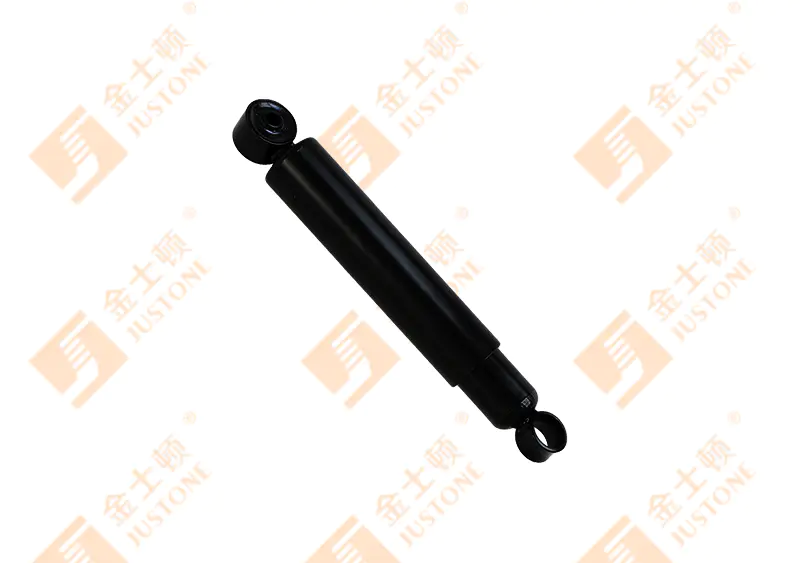
Shock Rebuild vs. Replacement: A Direct Comparison
Whether to rebuild or replace a shock stabilizer depends on the unit's condition, its original cost, and what replacements are available. The table below summarizes the key decision factors.
| Factor |
Rebuild |
Replace |
| Cost |
$60–$200 per shock (labor + parts) |
$30–$800+ per shock (depending on type) |
| Best for |
Premium, performance, or obsolete shocks |
Budget OEM shocks, corroded or bent bodies |
| Turnaround |
1–5 business days |
Same day (if in stock) |
| Customization |
Revalving possible for specific use cases |
Limited to available aftermarket options |
| Rod or body damage |
Not rebuildable if bent or heavily pitted |
Necessary in this case |
| Result quality |
Factory or better with dyno verification |
Varies — budget replacements often underperform OEM |
Side-by-side comparison of shock rebuild service versus direct replacement across key decision criteria
As a general rule: if a shock originally cost $200 or more and the body and rod are undamaged, rebuilding is almost always the better financial decision. For inexpensive OEM-style twin-tube shocks under $50, replacement is usually faster and similarly priced to a rebuild.
When Rebuilding Is Not an Option
Not every worn shock stabilizer is a viable rebuild candidate. A professional shop will inspect for the following disqualifying conditions before accepting a unit for rebuild:
- Bent piston rod: A bent rod causes uneven seal wear and will destroy new seals within a short period. Straightening is rarely cost-effective for shock rods.
- Scored or corroded cylinder bore: Deep scoring allows oil to bypass the piston regardless of seal condition. Honing can address minor scoring, but severe damage renders the cylinder unusable.
- Crushed or impact-damaged body: Physical deformation from a collision or severe off-road impact changes internal geometry and prevents proper piston travel.
- Sealed non-rebuildable units: Many budget OEM twin-tube shocks are crimped closed and cannot be disassembled without destroying the body. These must be replaced.
- Extreme pitting on the rod: Chrome rod plating pitting from corrosion cuts through seals immediately. Re-chroming is possible but typically exceeds the cost of a new unit.
Revalving: Getting More Than Stock Performance from a Rebuild
One advantage a rebuild offers that a direct replacement cannot match is the option to revalve the shock for your specific application. Revalving means changing the thickness, number, and arrangement of the shim stack inside the piston to alter how the shock responds at different shaft velocities.
Common Revalving Scenarios
- Added lift or load: A truck running a 4-inch suspension lift or carrying a heavy payload needs stiffer compression valving than the factory tune provided for stock ride height.
- Off-road performance: Desert racing and trail use benefit from high-speed compression relief to absorb large hits without blowing through travel, combined with slower rebound to maintain tire contact on uneven terrain.
- Track use: Performance cars often need firmer rebound and softer low-speed compression to manage aero loads and cornering forces that street tunes do not account for.
Revalving typically adds $50–$150 to a rebuild cost but can transform the handling of a vehicle beyond what any bolt-on replacement would achieve.
Choosing a Shock Rebuild Service: What to Look For
Shock rebuild quality varies widely between shops. A poor rebuild — wrong oil viscosity, incorrect nitrogen pressure, or improper seal installation — can perform worse than the worn unit it replaced. These are the markers of a reputable rebuild facility:
- Dyno testing: Any shop serious about shock rebuilds will dyno-test every unit before return. Ask specifically whether dyno graphs are available — a shop that cannot provide them may be skipping this step.
- Brand familiarity: Shops that specialize in specific brands — Fox, King, Öhlins, Bilstein, or JRZ — understand the internal architecture and correct specifications for those units. Generalist shops may not.
- Warranty on rebuilt units: Reputable rebuild services offer 6–12 month warranties on parts and labor. Avoid any shop that offers no post-rebuild coverage.
- Transparent inspection report: A good shop will contact you after disassembly if additional damage is found — such as a scored bore — before proceeding and billing for work that cannot improve the outcome.
- Certified nitrogen recharge: The shop should use dry industrial nitrogen (not shop air, which contains moisture) and charge to the manufacturer's exact specification.
Well-regarded rebuild specialists in the US include Shock Surplus, Precision Shocks, and manufacturer-authorized service centers for brands like Fox Racing Shox and Öhlins. Sending shocks to a factory-authorized rebuild center often preserves the original product warranty, which third-party shops cannot do.
 English
 Deutsch
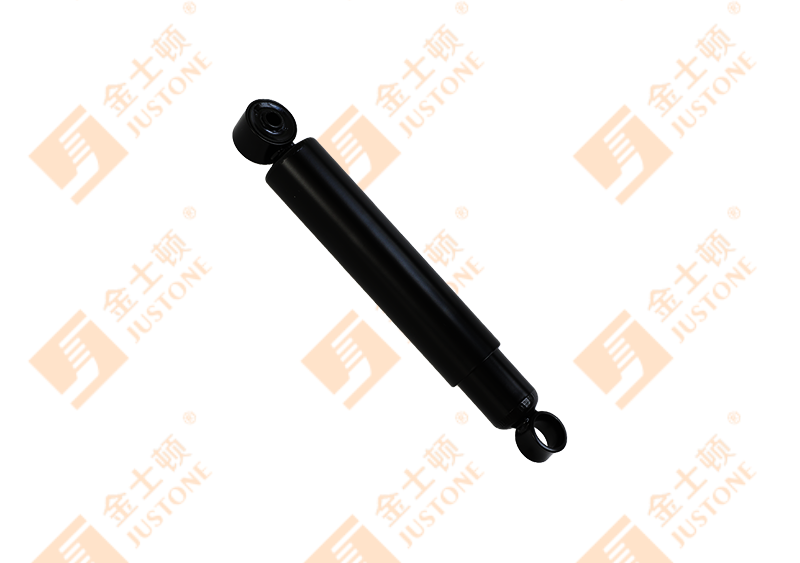
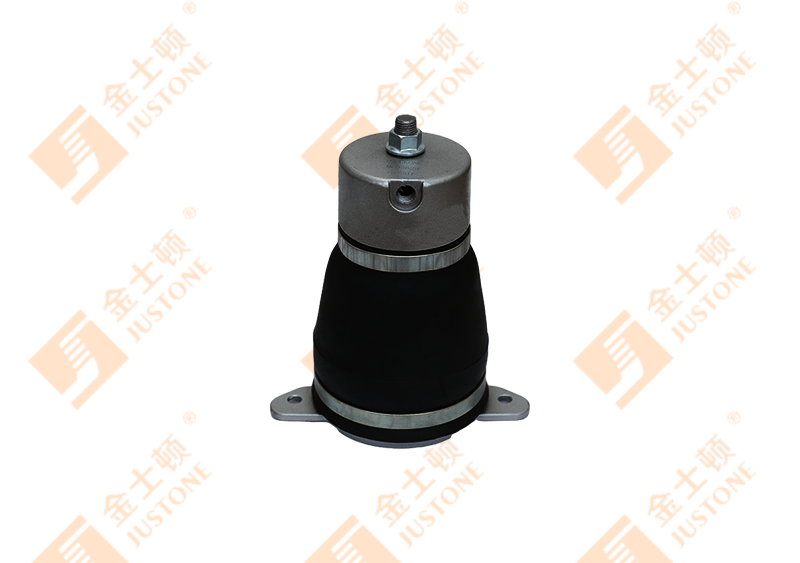

 OEM Commercial Vehicle Shock Absorbers Manufacturers
Wholesale Car Shock Absorbers Factory
OEM Commercial Vehicle Shock Absorbers Manufacturers
Wholesale Car Shock Absorbers Factory