English
 Deutsch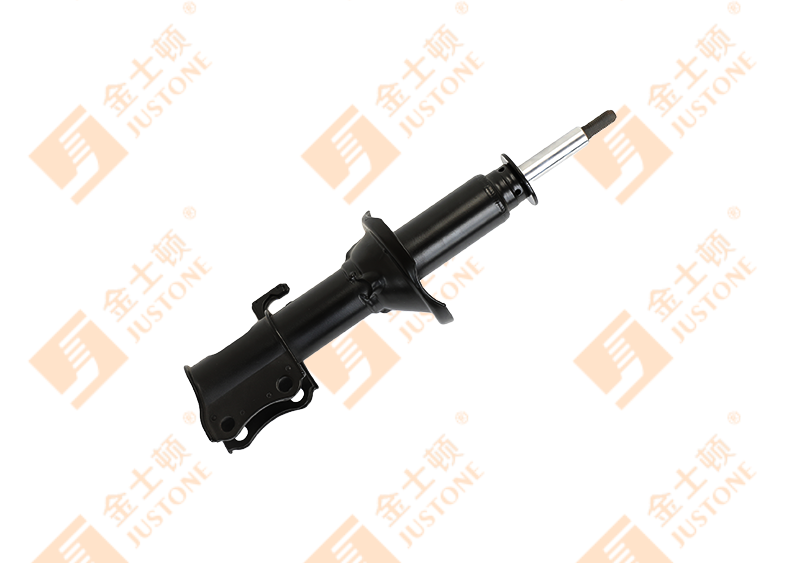
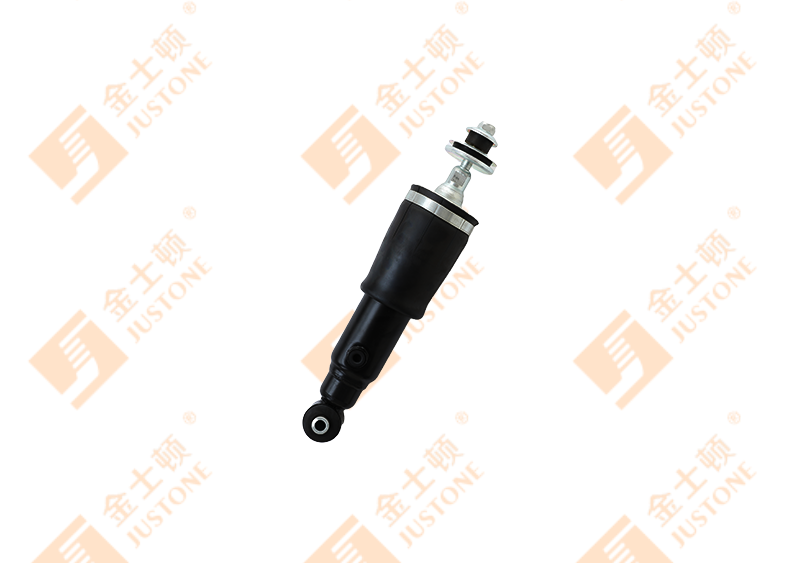
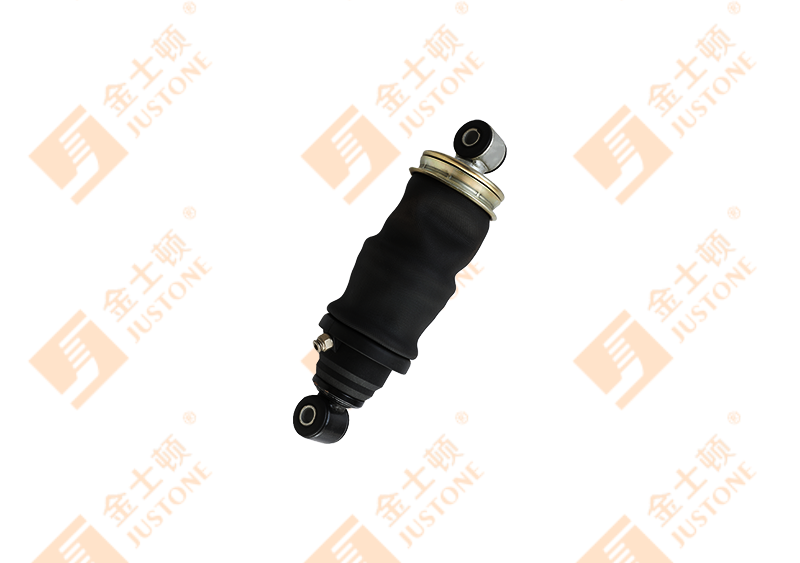
Didn't find a product that suits you?
Contact us for the latest news.

Content
Ask someone to point out the shocks on their car and they'll often point at the struts instead. The two terms get used interchangeably in everyday conversation, but they refer to two distinct suspension components with different jobs.
A shock absorber is a standalone damping device. It doesn't carry any of the vehicle's weight — remove it, and the suspension keeps functioning, just with a lot more bounce. A strut is something else entirely: it's a structural part of the suspension, built around a shock-absorber-like damping unit but combined with a coil spring and mounting hardware that actually holds the wheel in place. Pull a strut out, and that corner of the car has no structural support left.
That structural distinction is the single most important thing to remember — everything else about cost, replacement difficulty, and where each part shows up on a vehicle follows from it.
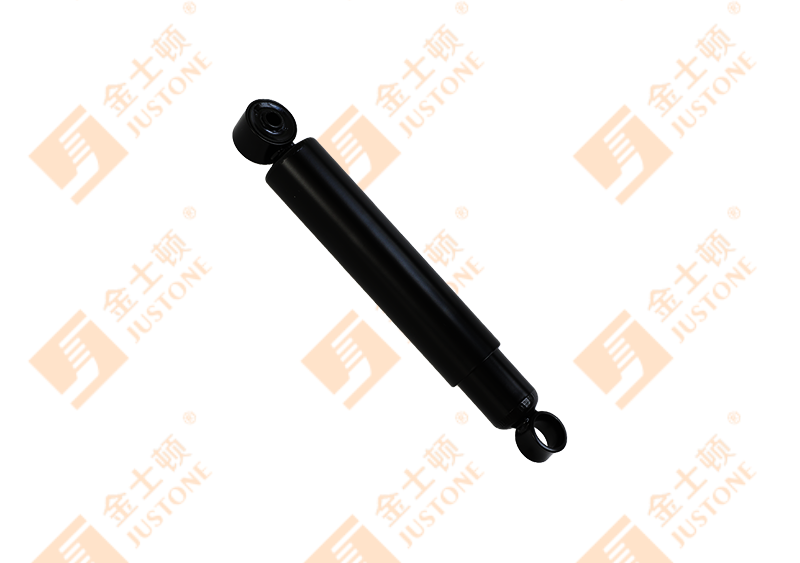
A shock absorber is essentially a small oil pump. Inside the pressure tube, a piston connected to a rod moves up and down as the suspension travels, forcing hydraulic fluid through a set of tiny orifices in the piston. Because only a limited amount of fluid can pass through at once, the piston's movement is slowed, and that slowing effect is transferred to the suspension itself.
The resistance a shock generates isn't fixed — it scales with how fast the suspension is moving. Hit a sharp pothole and the shock resists hard; roll over a gentle dip and it barely resists at all. This velocity-sensitive behavior is what keeps a car's ride controlled across wildly different road conditions without needing constant driver input.
For a more detailed breakdown of the internal components involved, a closer look at what a shock absorber is covers the mechanism in more depth.
Internally, a strut works the same way a shock does — piston, rod, hydraulic fluid, the same velocity-sensitive resistance. Where it diverges is in the second job it performs. A strut houses that damping mechanism inside a rigid structural body, and that body takes the place of the upper control arm and upper ball joint found in a conventional suspension.
Because of this, a strut carries the coil spring that supports the vehicle's weight, and it holds the wheel in proper alignment. It also absorbs a large share of the side loads generated during cornering — loads that a standalone shock was never designed to handle. This is why struts commonly show up on the front axle of front-wheel-drive and independent-suspension vehicles, where a compact, multi-purpose component saves both weight and space.
The trade-off for that added structural role is size and complexity. A full strut assembly bundles the strut body, damping unit, and coil spring into one unit, which is heavier on parts and generally pricier to replace than a shock.
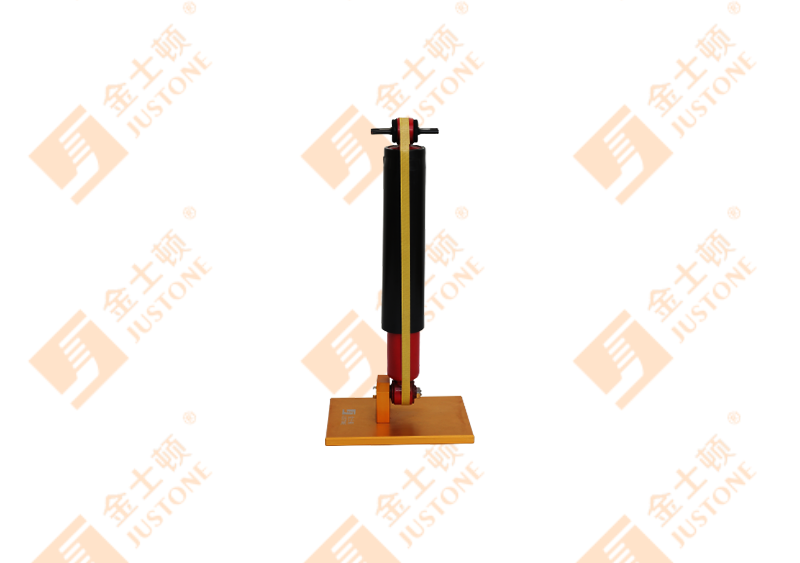
| Feature | Shocks | Struts |
|---|---|---|
| Main role | Dampens suspension movement | Dampens movement and bears structural load |
| Supports vehicle weight | No | Yes |
| Affects wheel alignment | No | Yes |
| Typical replacement cost | Lower | Higher |
| Common location | Rear axle, or either axle | Front axle on independent suspension |
A single vehicle can run struts on one axle and shocks on the other — there's no rule that says it has to be one or the other across the board. The only reliable way to know which your vehicle has is to check the owner's manual or look directly at each wheel.
The core distinction between a damping component and a structural one doesn't disappear once you move past passenger cars — it just shows up in different forms. Heavy trucks, trailers, and off-road equipment rely on much larger and more specialized shock absorbers, but the underlying job is identical: control the speed at which suspension moves, without necessarily carrying structural load.
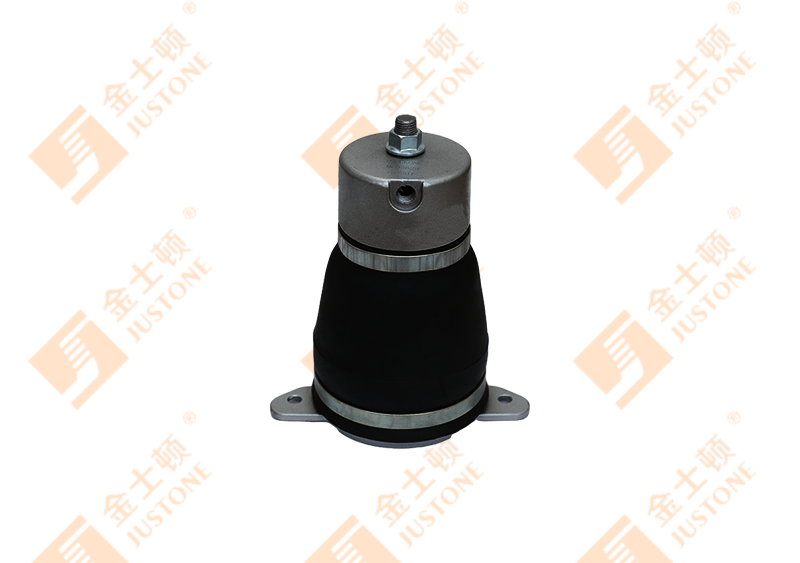
In a heavy truck chassis, for instance, how the suspension system functions in a heavy truck chassis depends heavily on how shocks are paired with leaf springs or air suspension components to manage the much larger loads involved. The dampers themselves work on the same hydraulic principle described earlier, just scaled for higher loads and longer service intervals — a point covered in more detail in how shock absorbers function within a heavy truck chassis.
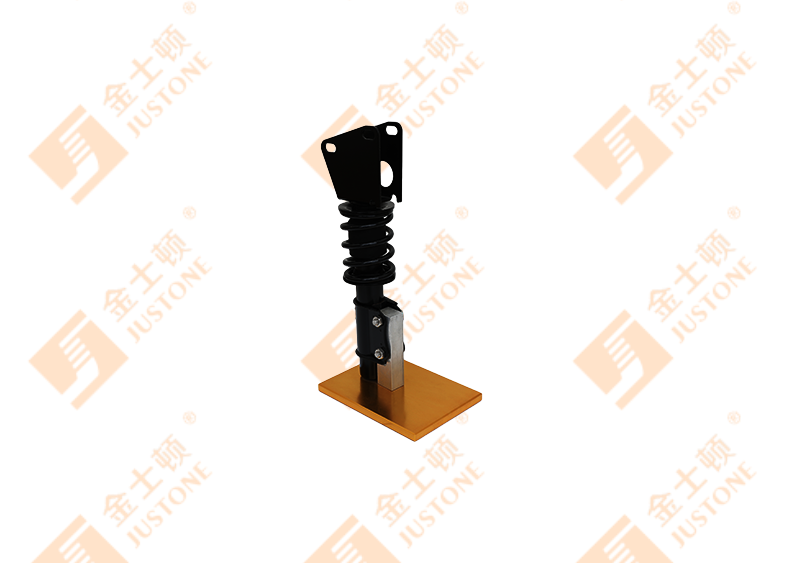
Cabin suspension is another place this shows up. Rather than smoothing out wheel movement, cabin shock absorbers built for driver comfort isolate the driver's cab from chassis vibration, applying the exact same damping principle to a completely different part of the vehicle.
Whether the application is a passenger car, a semi-truck, or a trailer axle, the fundamental question is always the same one this article started with: is this component just controlling motion, or is it also holding something up? For a broader sense of how that principle applies across vehicle types, the full range of shock absorbers for trailers, ATVs, and heavy trucks is worth a look.
According to Monroe's technical resources, shocks are individual damping components while struts serve as a major structural part of the suspension, which remains the clearest way to remember the difference no matter what vehicle you're working on.
Contact us for the latest news.
Copyright @ Hangzhou Justone Industry Co., Ltd.
 OEM Commercial Vehicle Shock Absorbers Manufacturers
Wholesale Car Shock Absorbers Factory
OEM Commercial Vehicle Shock Absorbers Manufacturers
Wholesale Car Shock Absorbers Factory