English
 Deutsch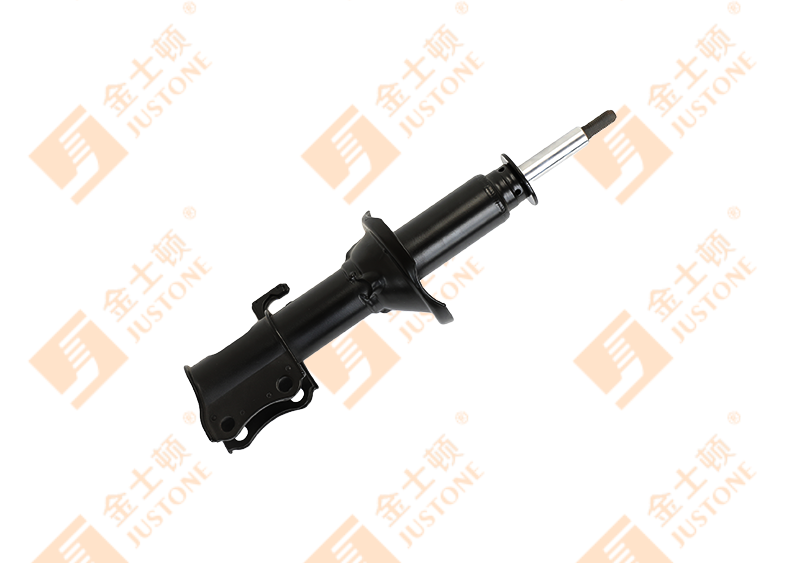
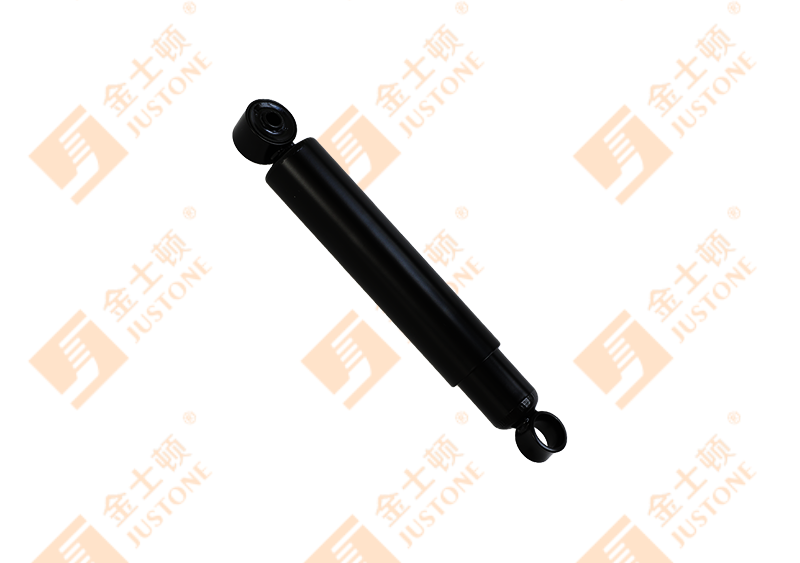
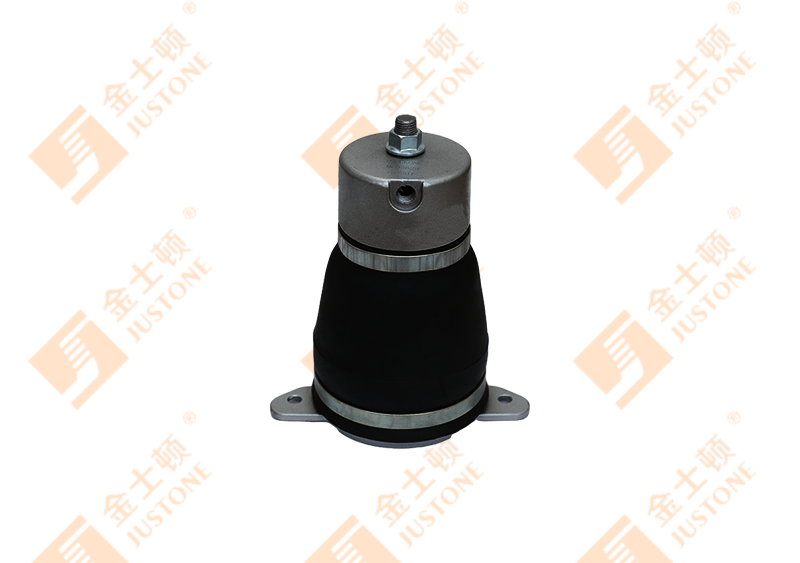
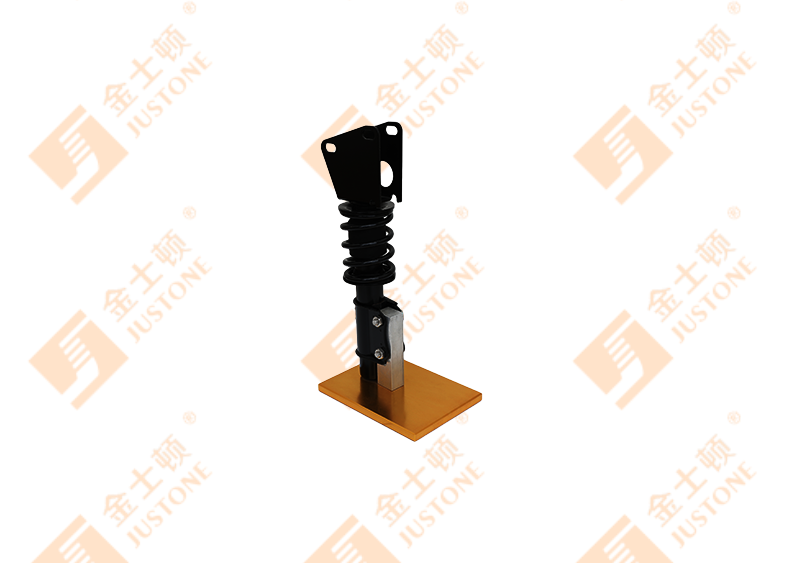
Didn't find a product that suits you?
Contact us for the latest news.

When a strut goes bad, the parts counter presents you with a choice that is not always clearly explained: a bare strut or a complete strut assembly. The price difference can be significant. The installation process is meaningfully different. And the long-term outcome for your vehicle depends on making the right call the first time. This guide breaks down exactly what each option contains, how they differ in installation and cost, and which scenarios call for which part — including a perspective that is rarely covered in consumer-focused articles: what this choice means for commercial and heavy-duty vehicles where suspension reliability is a daily operational requirement.
Content
Before comparing the two replacement options, it is worth being precise about what a strut is and why it matters. A strut is not simply a shock absorber with a different name. It is a structural suspension component that serves two distinct functions simultaneously: it damps wheel oscillation (the function shared with a conventional shock absorber), and it physically supports the vehicle's weight as an integral load-bearing member of the suspension geometry.
In a conventional shock absorber setup, the spring and the damper are separate components. The spring sits on a perch and carries the vehicle's weight; the shock absorber is mounted alongside it and controls how quickly the spring compresses and rebounds. In a strut-based suspension — the MacPherson strut design found on the front axle of the vast majority of passenger vehicles and many light commercial vehicles — the coil spring is mounted directly onto the strut body. The entire assembly pivots as the steering wheel turns, meaning the strut is also a steering component. Remove a strut and the wheel has no structural support at all.
This dual structural and damping role is what makes strut replacement a more involved procedure than replacing a conventional shock absorber, and it is also why the choice between a bare strut and a complete strut assembly has real consequences beyond simple cost arithmetic.
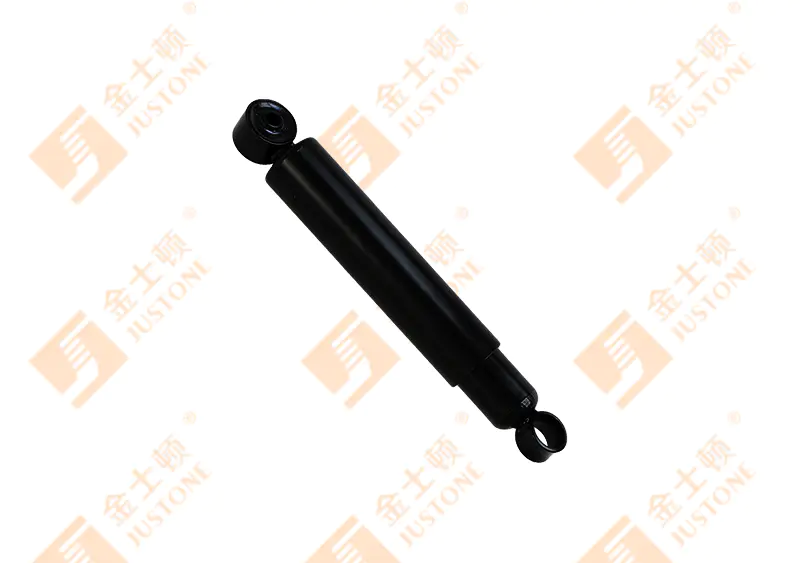
A bare strut — also called an unloaded strut or naked strut — is the strut damper body alone. It is the hydraulic or gas-charged cartridge that provides the damping function. It does not include the coil spring, the upper strut mount, the bearing plate, the jounce bumper, or the dust boot. When you purchase a bare strut, you are purchasing the core damping component and nothing else.
Installing a bare strut requires disassembling the original strut assembly to transfer the reusable components — primarily the coil spring and upper mount — onto the new strut body. This process requires a spring compressor, a specialized tool that safely compresses the coil spring so it can be removed from the strut body without releasing its stored energy uncontrollably. Spring compressors are standard equipment in professional workshops but are not commonly found in private garages, and improper use of low-quality compressors carries a genuine safety risk.
The case for a bare strut comes down to three scenarios. First, when the coil spring is in demonstrably good condition — no cracks, no visible sag, ride height still within specification — reusing it is entirely rational and saves money without compromising the repair. Second, when the vehicle application is uncommon or older and a complete assembly is simply not available for that make, model, and suspension variant. Third, when a technician or experienced owner wants precise control over which components are replaced and which are reused, such as when the upper mount was recently replaced independently.
A complete strut assembly — also called a loaded strut, quick strut, or ready-strut depending on the manufacturer — arrives pre-assembled with every component needed to complete the repair as a single bolt-on unit. A typical strut assembly includes the strut damper body, the coil spring, the upper strut mount and bearing plate, the jounce bumper (also called a bump stop), and the dust boot that protects the damper rod from contamination.
Because the spring is already installed and the assembly arrives at the correct ride height for the specific vehicle application, no spring compressor is required during installation. The old strut assembly comes off as a unit; the new one goes on as a unit. For a front strut on a typical passenger car, an experienced technician can complete the swap in 30 to 45 minutes per side. The same job using a bare strut and a spring compressor takes considerably longer and introduces additional handling steps.
The case for a complete strut assembly is equally straightforward in the right circumstances. When the vehicle has high mileage and the spring condition is uncertain — coil springs fatigue, sag, and can crack under prolonged stress — replacing everything at once eliminates the risk of a component failure shortly after the new strut is installed. When rust and corrosion have made the existing spring difficult or dangerous to reuse. When a DIY owner does not have access to a spring compressor. And when restoring factory ride height is the objective, since a correctly specified replacement assembly uses a spring matched to the original OEM dimensions for that vehicle's weight, trim level, and engine configuration.
The table below consolidates the key differences between the two options to support a clear purchasing decision.
| Factor | Bare Strut | Complete Strut Assembly |
|---|---|---|
| Components included | Damper body only | Damper, spring, mount, bearing, bumper, boot |
| Spring compressor required | Yes — mandatory | No — bolt-on installation |
| Installation time (per side) | Longer — disassembly and rebuild required | Shorter — direct replacement unit |
| Upfront parts cost | Lower | Higher |
| Total labor cost | Higher (more labor time) | Lower (faster installation) |
| Component age after repair | New damper, reused spring and mount | All components new |
| Ride height restoration | Depends on spring condition | Restored to OEM specification |
| Best for | Good spring condition, experienced installer, specific customization | High mileage, rust/corrosion, DIY, comprehensive refresh |
| Alignment required after? | Yes — always after any strut work | Yes — always after any strut work |
One point that the table above cannot fully capture: the labor cost difference can narrow or eliminate the upfront price advantage of the bare strut in a professional workshop setting. A shop charging $100–$150 per hour for labor will spend meaningfully more time on a bare strut rebuild than on a loaded assembly swap. For a two-strut front axle replacement, the total cost of bare struts plus labor can approach or exceed the cost of complete assemblies, particularly in geographic areas where corrosion makes spring removal time-consuming.
Whether you are evaluating a bare strut or a complete assembly, the hydraulic damper body at the core of either product is the component that determines the actual performance of the repair. The spring sets ride height and load capacity; the upper mount manages steering pivot and noise isolation; but the damper — the shock absorber inside the strut — determines how quickly and smoothly the suspension responds to road inputs, how well the tire maintains contact with the surface, and how the vehicle behaves under braking, cornering, and acceleration loads.
This point is especially relevant when evaluating budget complete strut assemblies. Some lower-cost assembly manufacturers compress their spring specifications to cover more vehicle applications with fewer SKUs, and use lower-grade damper cartridges to hit a price point. The result is an assembly that installs quickly and looks complete on paper but delivers a spring rate that does not match the original OEM specification and a damper that degrades faster than a quality unit. Understanding how shock absorbers function in a chassis makes clear why the damper specification — piston diameter, oil volume, valve calibration — is the technical parameter that separates a quality strut from a commodity part.
For suspension shock absorbers used in commercial vehicle applications, this distinction carries even greater operational weight. A strut or damper that fails prematurely in a passenger car is an inconvenience. In a commercial vehicle operating under load on a daily schedule, a worn damper means reduced tire contact, increased braking distances, accelerated tire wear, and structural stress on chassis components — all of which have direct cost consequences beyond the replacement part itself.
A practical decision framework helps cut through the options when it is time to make the call. Start with the spring. Visually inspect the coil spring for cracks, corrosion pitting, and deformation. Measure ride height and compare it against the vehicle manufacturer's specification — a sagging spring that has lost 15 mm or more of ride height will not be corrected by a new damper body alone and justifies replacing the full assembly. If the spring passes visual and dimensional inspection and the vehicle has under 80,000 to 100,000 miles, reusing the spring with a quality bare strut is a technically sound decision.
Consider the vehicle's operating environment. In regions where road salt is used in winter, coil springs and upper mounts accumulate corrosion that can make disassembly difficult and increase the risk of spring failure. In these conditions, a complete strut assembly that replaces all corrosion-affected components simultaneously is the more prudent choice, even if the spring appears structurally intact.
Consider access to tools. A spring compressor is not negotiable for bare strut installation. A quality compressor rated for the spring loads involved is not an item to compromise on. If the right equipment is not available, a complete strut assembly removes the requirement entirely and makes the job accessible to competent DIY installers without a professional tool inventory.
For commercial and heavy-duty vehicle operators, the calculus shifts toward whole-assembly replacement more consistently. Commercial vehicles accumulate mileage faster, operate under greater sustained load, and cannot afford unplanned downtime from a secondary component failure following a recent strut service. Drive-down cabin shock absorbers and commercial suspension systems involve related integration principles: when one damping component is replaced, the condition of every interconnected component in the assembly should be assessed at the same time, and replacing the full system in a single service event is usually more cost-effective than returning to the same job twice.
The bottom line is straightforward. A bare strut is the right choice when the spring is good, the tools are available, and the installer is experienced. A complete strut assembly is the right choice when any of those three conditions is not met — or when the vehicle has enough mileage that a comprehensive suspension refresh makes more sense than a targeted single-component repair. Either way, the quality of the damper body at the center of the repair is what determines how long the job lasts and how well the vehicle handles for the miles that follow.
Contact us for the latest news.
Copyright @ Hangzhou Justone Industry Co., Ltd.
 OEM Commercial Vehicle Shock Absorbers Manufacturers
Wholesale Car Shock Absorbers Factory
OEM Commercial Vehicle Shock Absorbers Manufacturers
Wholesale Car Shock Absorbers Factory