English
 Deutsch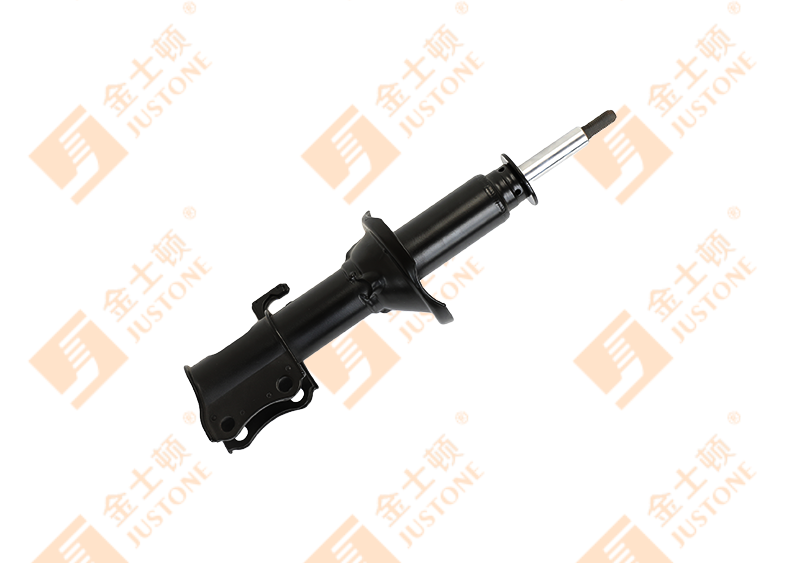
Didn't find a product that suits you?
Contact us for the latest news.

Ask ten drivers whether shocks and struts are the same thing, and most will say yes. The parts look similar, they sit in the same general area of the vehicle, and auto shops often mention them together. But they are not the same — and confusing one for the other can lead to the wrong diagnosis, the wrong repair, and real money spent fixing a problem that was never correctly identified in the first place.
This article breaks down exactly what each component does, how they differ structurally, and what it means for the kind of vehicle you drive — including the demands placed on commercial and heavy-duty vehicles where these systems work under far greater stress.
Content
Shock absorbers and struts both belong to a vehicle's suspension system, and both dampen the motion caused by road irregularities. That much is true. But the similarity ends there.
A shock absorber is a standalone damping component. It controls spring movement but does not support the vehicle's weight and plays no structural role in the chassis. A strut, on the other hand, is a structural member of the suspension — it bears load, influences wheel alignment, and is integrated into the steering geometry. Replacing a shock with a strut, or vice versa, is not possible: they are engineered for fundamentally different positions in the suspension layout.
Vehicles are designed from the factory to use one or the other — or a combination of both — depending on the suspension type. Understanding which is which matters when symptoms appear and decisions about inspection or replacement need to be made.
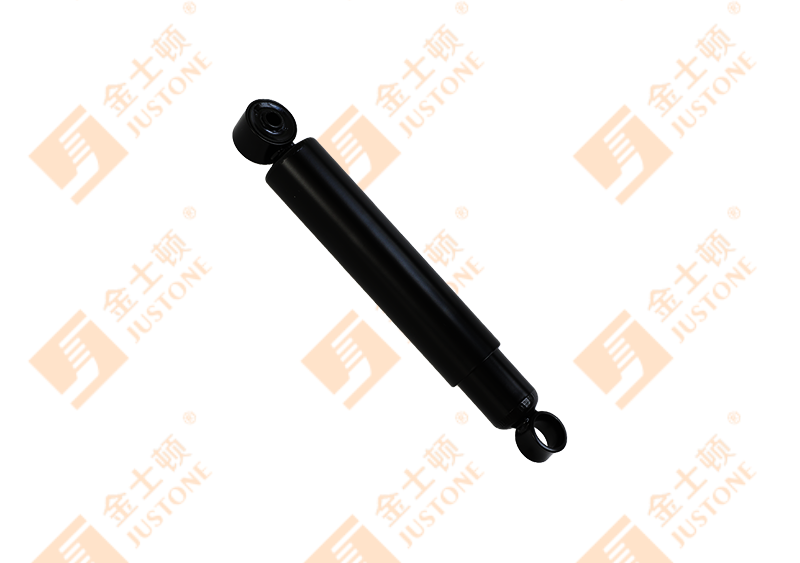
A shock absorber's job is to control spring oscillation. Without it, a compressed spring would release its energy and bounce the vehicle repeatedly — each bump triggering a series of uncontrolled vertical movements. The shock absorber prevents this by converting that kinetic energy into heat through hydraulic resistance.
Inside a conventional shock absorber, a piston moves through pressurized hydraulic fluid housed in a sealed cylinder. The fluid is forced through small orifices in the piston, which slows the piston's movement and, by extension, slows the suspension's rebound. The resistance generated is velocity-sensitive: faster suspension movement produces greater damping force, which is why the system responds proportionally to different road conditions rather than applying a fixed resistance regardless of input.
Shock absorbers are mounted through rubber or polyurethane bushings at each end, connecting to the vehicle's frame at the top and the suspension at the bottom. They carry no lateral load and bear none of the vehicle's weight. As engineering references on shock absorber mechanics confirm, the component's sole function is vibration damping — everything else falls outside its design scope.
A strut performs the same damping function as a shock absorber internally, but it takes on a second, structurally critical role that a shock absorber never has. The strut replaces the upper control arm and upper ball joint found in conventional suspension layouts, becoming part of the chassis structure itself.
Because of this dual function, a strut must be built stronger. It carries the vehicle's weight through the coil spring mounted on its body, manages lateral forces generated during cornering and braking, and serves as the pivot point for the steering system. Wheel alignment angles — particularly camber and caster — are set through the strut's mounting position. When a strut wears out, it doesn't just affect ride quality; it affects steering precision and tire wear patterns simultaneously.
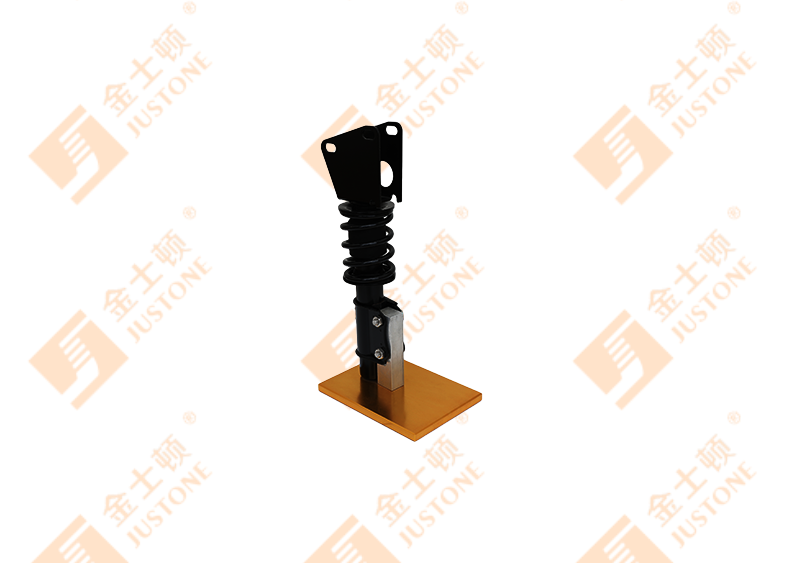
A complete strut assembly typically includes the strut housing, a coil spring, spring seats, a bearing plate at the top mount (which allows the strut to rotate with steering input), and the internal damping unit. This is why strut replacement is generally more involved — and more expensive — than replacing a standalone shock absorber.

| Feature | Shock Absorber | Strut |
|---|---|---|
| Primary function | Dampen spring/suspension movement | Dampen movement + structural support |
| Supports vehicle weight? | No | Yes (via coil spring) |
| Affects wheel alignment? | No | Yes |
| Part of steering system? | No | Yes (acts as steering pivot) |
| Mounting style | Bushing-mounted, both ends | Hard-mounted to suspension; rotating plate at top |
| Replaces upper control arm? | No | Yes |
| Typical replacement complexity | Moderate | Higher (spring compression required) |
Many vehicles use a combination of both components depending on axle. Front-wheel-drive cars, for example, commonly have struts at the front wheels — where steering geometry makes a structural pivot necessary — and shock absorbers at the rear, where only damping is required. Some rear-wheel-drive performance vehicles use shock absorbers at all four corners with separate coil springs.
The quickest way to confirm which setup your vehicle uses is to check the owner's manual or ask a qualified technician to inspect the suspension. Visually, a strut will have a large spring coiled around its body and a top mount that connects directly to the vehicle's chassis. A shock absorber will appear as a slender cylinder without a spring, mounted between the frame and a suspension arm.
It's worth noting that no vehicle is built with only struts or only shock absorbers on all four wheels without exception — the configuration depends entirely on the suspension design chosen by the manufacturer for that platform.
Both shocks and struts degrade over time, and the symptoms overlap considerably. The most common warning signs include:
A general industry guideline recommends inspection at around 50,000 miles, with replacement typically falling between 50,000 and 100,000 miles depending on road conditions and usage patterns. Vehicles operating on rough terrain or unpaved roads will reach that threshold earlier.
For passenger cars, the distinction between shocks and struts is largely a matter of suspension design preference. In commercial vehicles — heavy trucks, trailers, cab-over platforms — the situation is more demanding. The loads involved are orders of magnitude larger, duty cycles are continuous, and the cost of suspension failure extends beyond discomfort to lost cargo, vehicle downtime, and road safety risk.
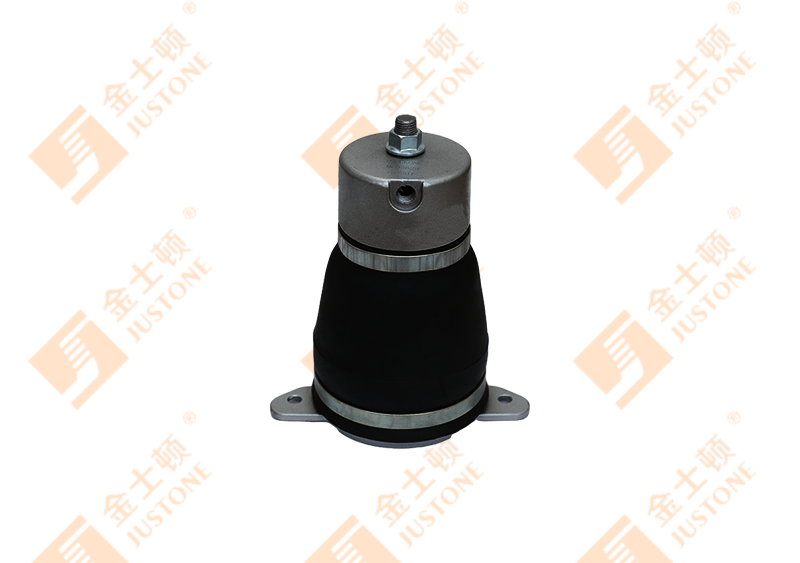
Commercial trucks rely heavily on non-suspension damping systems, cabin-mounted shock absorbers to isolate the driver from chassis vibration, and purpose-built trailer damping units that manage the dynamic forces generated by heavy loads at highway speeds. These are not the same components found in a family sedan, and they are not serviced on the same schedule.
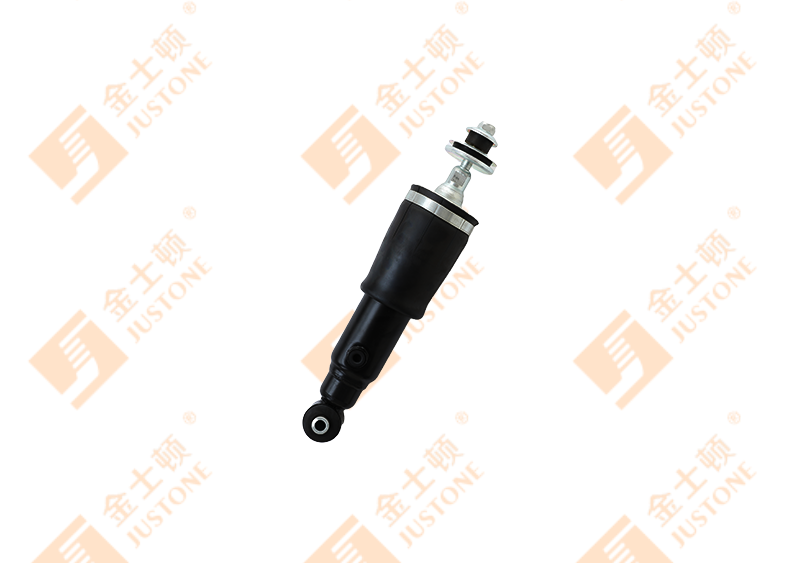
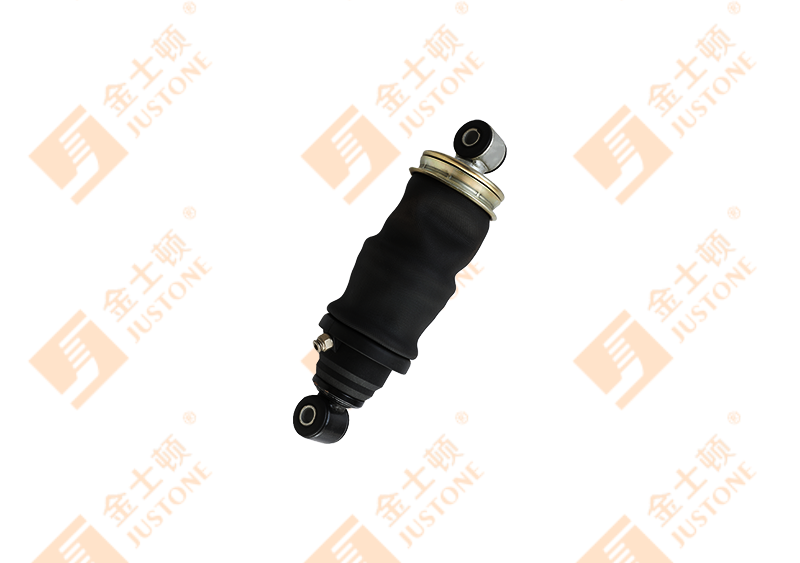
For operators sourcing components at scale, working with a manufacturer that builds to specific commercial vehicle tolerances matters considerably. Justone produces a full range of commercial vehicle shock absorbers for heavy-duty chassis applications, alongside non-suspension damping solutions for specialized vehicle configurations. For transport and logistics applications, the product line also includes suspension shock absorbers engineered for trailer and freight use, trailer coupling dampers built for long-haul stability, and seat damper shock absorbers that reduce driver fatigue on extended routes.
The difference between shocks and struts matters more in commercial contexts than most buyers initially realize — because the right component specification, matched to the right vehicle configuration, directly affects the operating life of adjacent suspension parts and the safety profile of every load carried.
Contact us for the latest news.
Copyright @ Hangzhou Justone Industry Co., Ltd.
 OEM Commercial Vehicle Shock Absorbers Manufacturers
Wholesale Car Shock Absorbers Factory
OEM Commercial Vehicle Shock Absorbers Manufacturers
Wholesale Car Shock Absorbers Factory