English
 Deutsch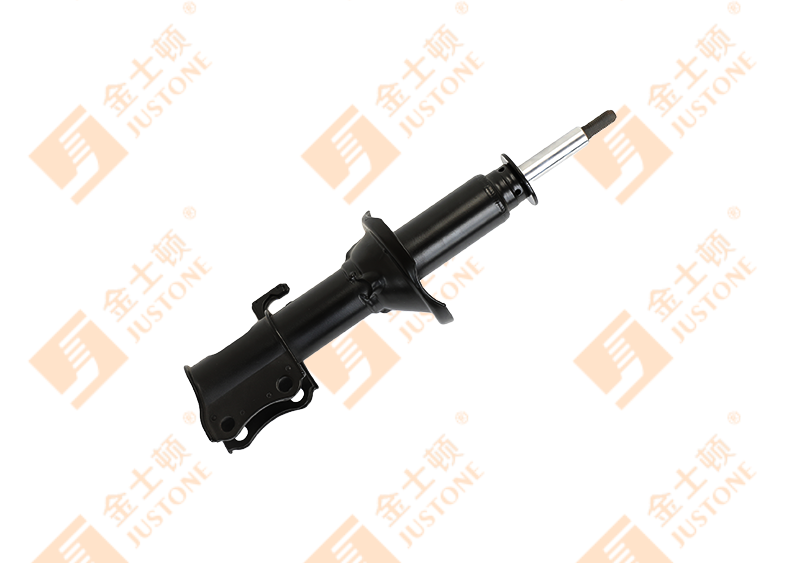
Didn't find a product that suits you?
Contact us for the latest news.

A fleet planner reordering 240 trailer shock absorbers does not want a discovery experience. They want the same part number, the same mounting hardware, the same damping curve, and the same delivery window they received last quarter. Judged by that standard, the best online auto parts portal for repeat orders is the one that behaves identically on the fifth order as it did on the first, which is a far narrower test than most comparison lists apply.
Catalog size, discount banners, and search filters are easy to compare. What actually decides whether a repeat order arrives complete and on time is catalog stability, documented quality, and a visible supply chain behind each part number. The sections below cover how to check all three before you commit volume to any portal.
Content
The first purchase usually gets close attention. The problems tend to appear later, and they are almost always administrative rather than technical.
None of these are exotic. They are the ordinary failure modes of buying the same item twice, which is why repeat purchasing deserves its own set of questions rather than a repeat of the first-order checklist.
A repeat order is not a second purchasing decision. It is a data-continuity test. The table below separates what you verify once from what has to stay true every time.
| Data point | First-order check | Repeat-order requirement |
|---|---|---|
| Part number and revision | Match against your own drawing or OEM reference | Number unchanged, revision changed only with written notice |
| Quantity per package | Carton count against invoice and packing list | Identical pack quantity so receiving counts match your ERP |
| Damping specification | Request an inspection report for the shipped lot | Batch certificate inside the same tolerance band |
| Traceability codes | Confirm the lot or batch code format is recorded | Codes still link back to your previous delivery |
| Lead-time basis | Ask whether the quote starts from stock or production | Same basis, or your reorder point has to move |
| Documentation pack | Quality certificate, test data, packing list | Same documents with current dates and lot references |
If a portal cannot answer the third column for the parts you buy most often, you are not buying a repeatable item. You are running a fresh sourcing project every quarter.
Small price differences rarely survive contact with a quality escape. In commercial vehicle applications, the parts that matter most in repeat programs are wear items: chassis dampers, cabin shocks, seat dampers, and trailer dampers. All of them are replaced on predictable intervals, so demand is forecastable and the tolerance band has to hold batch after batch.
Three things make that easier. First, an auditable quality system: IATF 16949 certification with records a customer can inspect is the baseline for any supplier selling into vehicle assembly rather than a repair bay. Second, in-house control of the components that vary most, since a manufacturer producing its own shock absorber stamping parts removes one subcontractor from the tolerance stack. Third, batch-level documentation that allows a complaint in month nine to be traced to the lot shipped in month two.
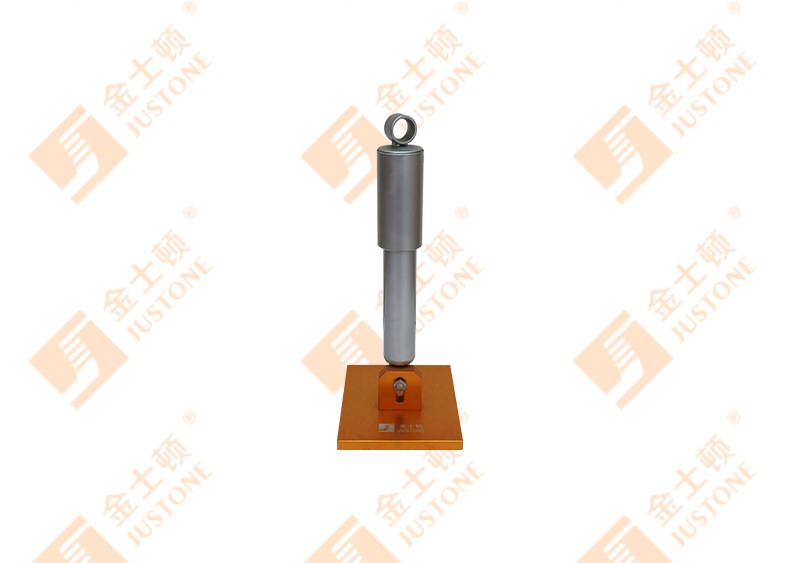 Heavy Truck Chassis Shock Absorbers for OEM and WholesaleCategory entry for custom heavy truck chassis shock absorbers supported by IATF 16949 quality records and in-house stamping for stable long-term programs.View Product →
A supplier with all three in place can quote the same part number for years. That property is what a repeat program actually pays for, and it is nearly impossible to see in a portal screenshot.
The lowest quoted unit price is often the most expensive line in a repeat program. Three cost drivers deserve the same weight as price.
A low minimum is useful for a trial, but it usually means the supplier ships from stock rather than scheduling production. If your annual demand is 5,000 units and the pricing only rewards 20,000-unit releases, you either tie up working capital or run short between batches. Ask for the quantity breaks in writing and check where your real annual volume lands.
A lead time means nothing without knowing whether it starts from stock, from a confirmed purchase order, or from raw material arrival. For an item on a fixed replacement interval, a two-week swing in lead time changes your safety stock more than a five percent price difference changes your spend.
Ask how you will be told about a part number, pack quantity, or material revision before it ships. A portal that answers with a named contact and a notification window is worth more than one that answers with a policy page.
Screen a portal using parts you already buy. The sequence below is ordered so the cheapest checks come first.
The last step catches most of what the first six miss, because documentation and invoicing errors are the most common reason a technically correct repeat order still costs your team a day of administration.
Shock absorbers and dampers sit at the center of repeat purchasing in commercial fleets because their replacement intervals are short and predictable. A heavy truck chassis damper, a cabin shock, a seat damper, and a trailer damper all wear on schedules that planners can forecast months ahead, which makes them natural candidates for blanket orders and staged releases rather than one-off buys.
Working directly with a shock absorber manufacturer that supplies vehicle assembly lines, instead of through a general reseller, changes what is possible: the same drawing, the same test data, and the same packing standard can be carried across every release. It also shortens the path between a field complaint and an engineering answer.
A supplier with a complete product family can cover several of those lines on one purchase order and one set of shipping documents, which cuts the number of part numbers you administer and reduces the risk that a single line arrives with a different revision or pack quantity. For heavier chassis applications, load behavior matters more than a short catalog description suggests, so it is worth reading how shock absorbers function in heavy truck chassis before you freeze a specification into a long-term agreement.
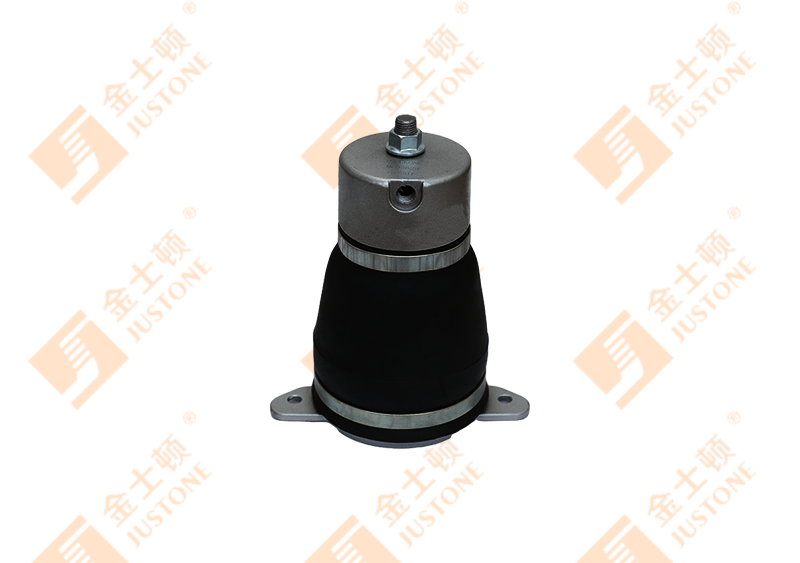
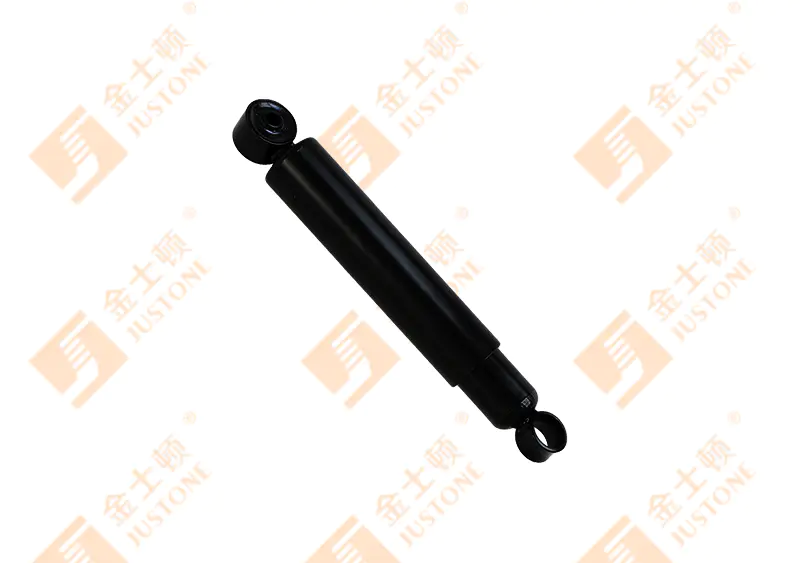 Custom Suspension Shock Absorbers for OEM and WholesaleCategory landing page for custom suspension shock absorbers, letting buyers consolidate multiple commercial vehicle damper lines under one OEM or wholesale program.View Product →
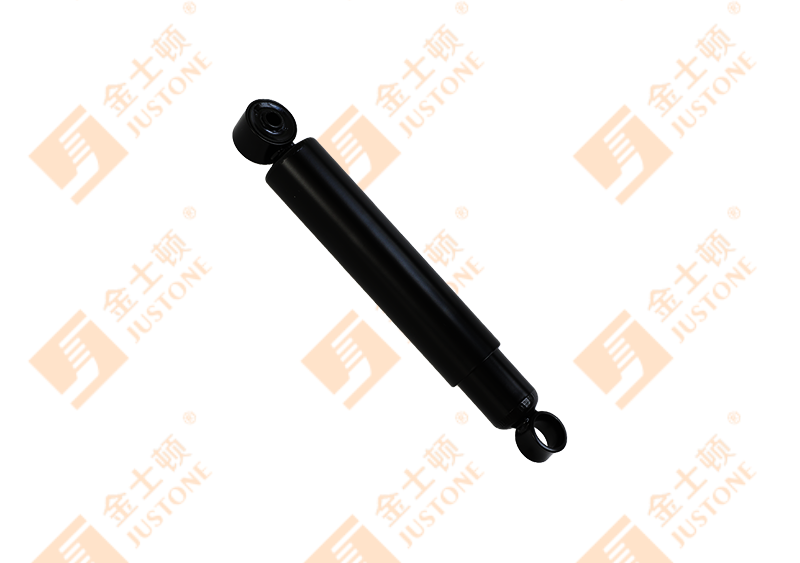
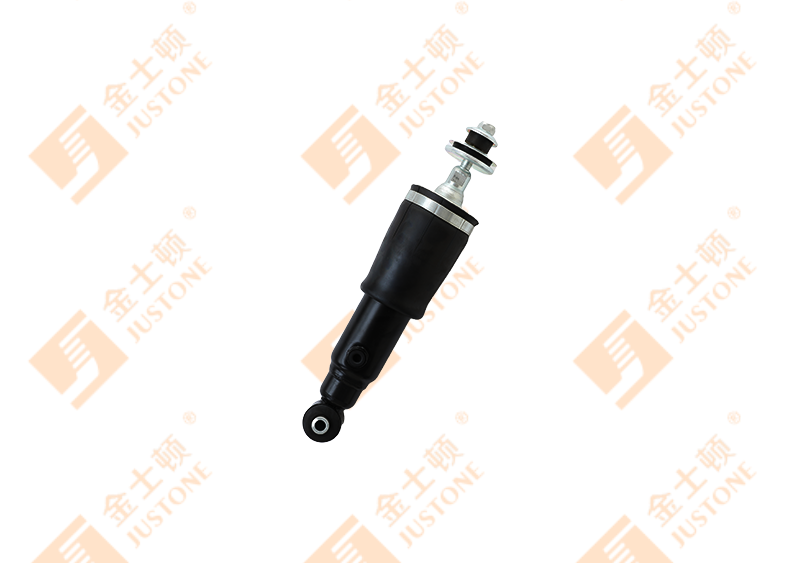
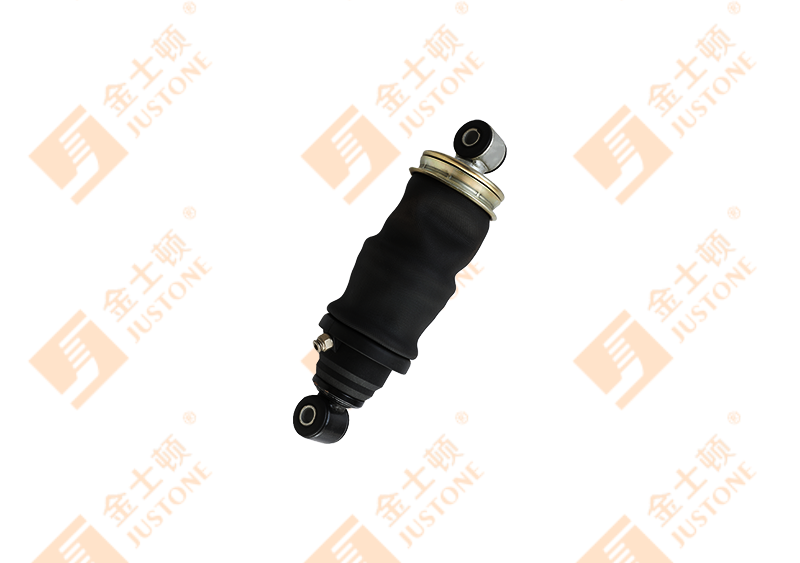
 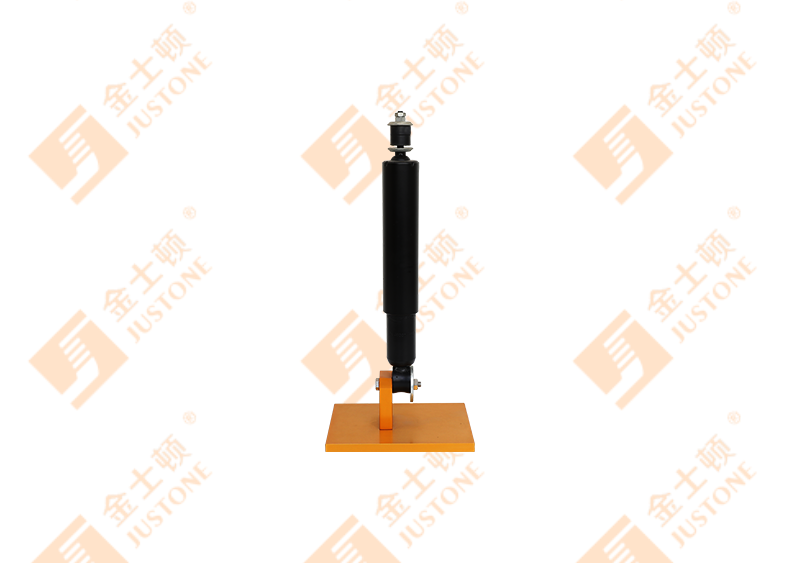 Cabin Shocks for Commercial Vehicle OEM and WholesaleCategory listing for custom cabin shock absorbers, useful for fleet programs seeking stable supply across high-turnover cab and trailer damper lines.View Product →
Trailer and cabin lines are usually the highest-turnover items in a fleet program, so they are the ones where a stable number and a stable lead time pay back fastest. Chassis and seat dampers follow the same logic at lower volumes.
Repeat ordering rewards boring reliability. Before you commit volume, verify one part number end to end, confirm the pack quantity and lead-time basis in writing, and test how the portal tells you about a change. A supplier that passes those three checks will still look the same on your fifth order, and that consistency is worth more than any introductory discount.
Contact us for the latest news.
Copyright @ Hangzhou Justone Industry Co., Ltd.
 OEM Commercial Vehicle Shock Absorbers Manufacturers
Wholesale Car Shock Absorbers Factory
OEM Commercial Vehicle Shock Absorbers Manufacturers
Wholesale Car Shock Absorbers Factory