English
 Deutsch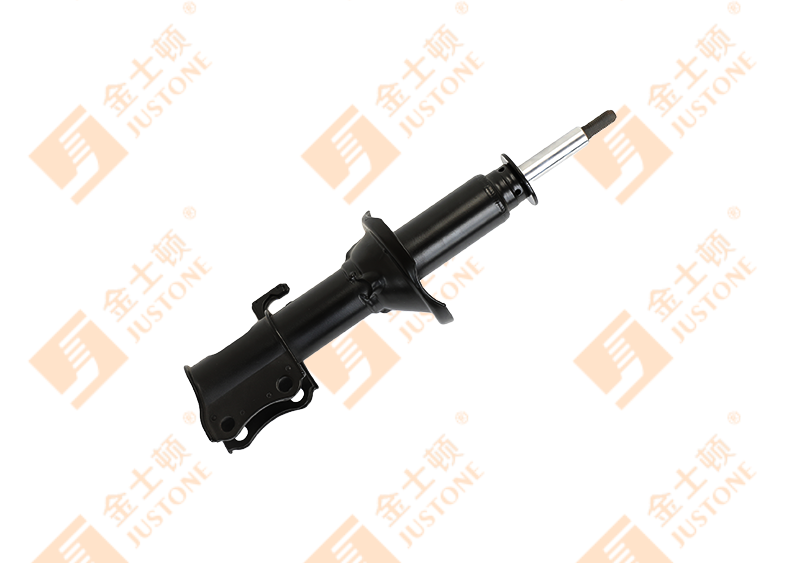
Didn't find a product that suits you?
Contact us for the latest news.

A fleet maintenance manager hears the same complaint from two drivers in one week: the cab bounces three or four times after crossing railway tracks, and the trailer feels unsettled at highway speed. One workshop says the suspension needs attention. Another says you need shock absorbers. Both statements can be correct, but they are not describing the same part. The suspension is the entire system that connects the wheels to the chassis. The shock absorber is a single component inside that system. Understanding the difference affects how you diagnose faults, budget for repairs, and specify replacement parts for commercial vehicles.
Content
The suspension system is the complete assembly of parts that manages the forces between the road surface and the vehicle body. Its job is to support the vehicle's weight, absorb road impacts, maintain tire contact, and keep the body stable during cornering, braking, and acceleration.
A typical commercial vehicle suspension includes springs, shock absorbers, axle locating components, bushings, and anti-sway bars. Each part has a specific role:
In a truck, the suspension also includes the cab mounting system and the driver seat suspension. These are part of the same engineering problem: controlling how road energy reaches the driver. The interaction between the chassis, the suspension links, and the damping components defines how the vehicle behaves when loaded, braking, or cornering. That relationship is covered in more detail in our article on the role of the suspension system in a heavy truck chassis.
A shock absorber is a hydraulic or gas-filled cylinder that converts kinetic energy into heat. When a wheel hits a bump, the spring compresses and stores energy. When the spring rebounds, that energy is released. Without a damper, the spring would keep oscillating until internal friction gradually stopped it.
The shock absorber resists that oscillation. Its internal piston moves through oil, and the resistance increases with the speed of the movement. This is why a shock absorber has little effect on slow body movements during cornering, but strongly resists the fast oscillation caused by a road impact. In engineering terms, the damper adds velocity-dependent resistance to the suspension.
In a commercial vehicle, shock absorbers appear in several locations, and each one serves a different purpose. Heavy truck chassis shock absorbers damp the vertical movement of the chassis over the axles. Cabin shock absorbers reduce the motion transferred from the chassis into the cab. Seat dampers isolate the driver from low-frequency vibrations that cause fatigue. Our technical article on how shock absorbers function in heavy truck chassis explains the operating principles in more depth.
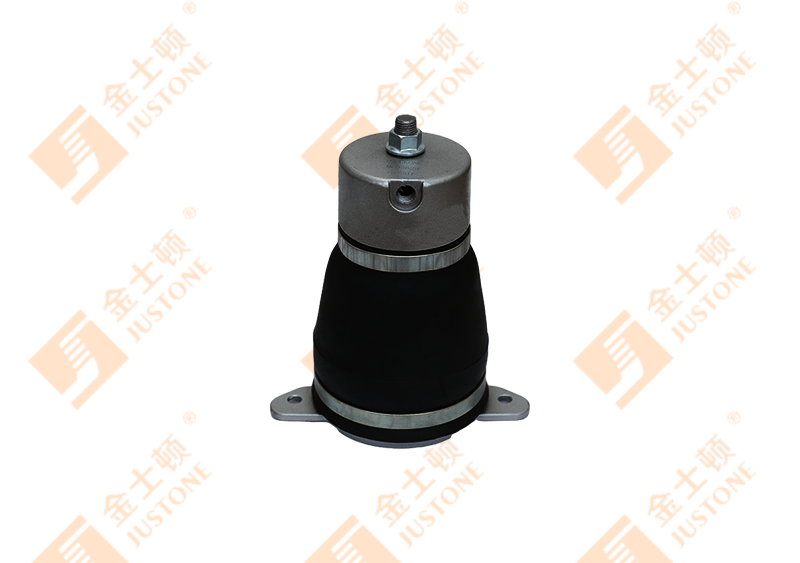
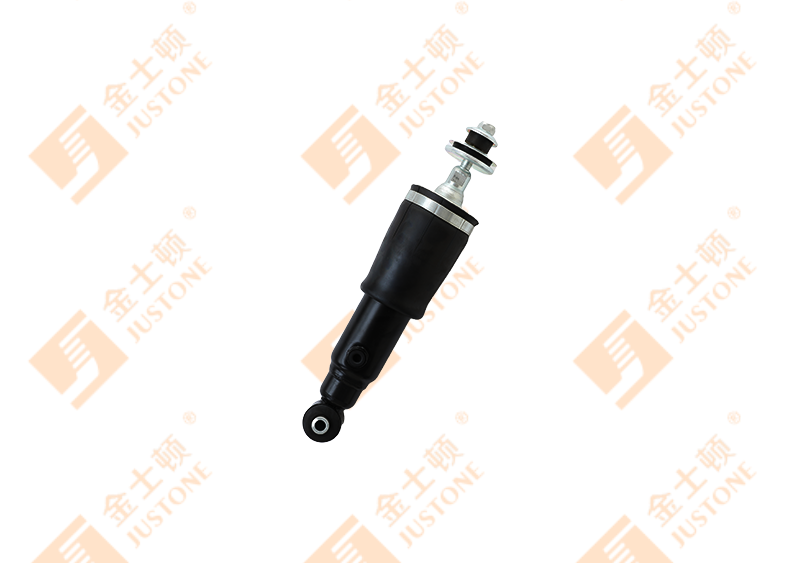
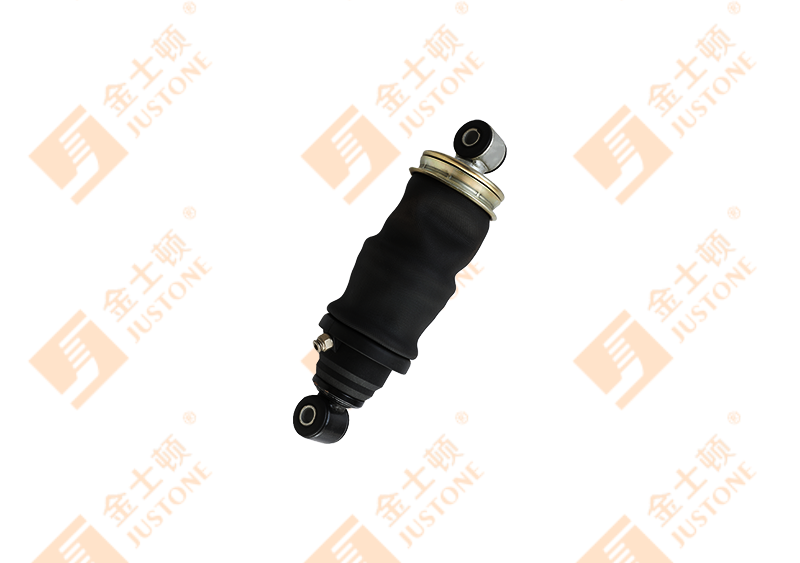
 Cabin Shock Absorbers Manufacturers, Suppliers, FactoryAs China OEM Cabin Shock Absorbers Manufacturers, Wholesale Cabin Shock Absorbers Suppliers and Factory, Hangzhou Justone offer Custom Ca...View Product →
The simplest way to state the difference is this: the suspension is the whole system, and the shock absorber is one component of it. A shock absorber cannot support weight, locate the axle, or maintain wheel alignment. It only controls the speed of suspension movement.
| Aspect | Suspension System | Shock Absorber |
|---|---|---|
| Definition | Complete assembly connecting the wheels to the chassis | One damping component within that assembly |
| Primary function | Support weight, locate axles, absorb impacts, keep tires on the road | Control spring oscillation and prevent bouncing |
| Key components | Springs, shock absorbers, control arms, bushings, anti-sway bars | Piston, cylinder, hydraulic oil or gas charge, seals |
| Failure symptoms | Sagging ride height, uneven tire wear, loose steering, knocking bushings | Excessive bouncing, nose dive under braking, poor damping on rough roads |
| Replacement scope | Component-specific; may involve multiple parts | Single unit replacement |
This distinction is not academic. When a technician says the suspension is worn, they could be pointing at worn bushings, a broken leaf spring, a leaking air spring, or a worn shock absorber. Each fault requires a different repair. If you replace the shock absorbers when the real problem is a broken spring or a worn bushing, the vehicle will still ride poorly and the repair cost will have been wasted.
The spring and the damper are a matched pair. The spring determines the static ride height and how much the suspension compresses under load. The damper determines how quickly the suspension returns to its normal position. If the spring rate is too stiff, the ride is harsh. If the damping is too weak, the vehicle bounces continuously.
Vehicle suspensions also include a related part called a strut. A strut combines a shock absorber with a structural housing that supports the vehicle's weight and serves as a pivot point for the steering system. In passenger cars, struts are common. In commercial vehicles, the application is different because the load paths are different. Trucks typically use separate springs, dampers, and locating arms instead of struts, which is why the distinction between the shock absorber and the suspension system matters even more in commercial applications.
Worn springs and worn shock absorbers produce different symptoms. A worn spring or air bag causes the ride height to drop and the vehicle to sit unevenly. A worn shock absorber causes the vehicle to continue bouncing after a bump, and damping becomes inconsistent at highway speed. For fleets, the inspection process should start with ride height. If the ride height is correct, the next step is to test the dampers.
Commercial vehicles place unusual demands on both the suspension and the shock absorber. A fully loaded truck can weigh tens of tons, and the damper must handle long operating hours with significant heat buildup. At the same time, the cab and the driver seat need separate damping to protect the driver from vibration.
For heavy trucks, chassis damping is the primary control element for vertical body movement. The dampers also interact with the suspension links that locate the axles. Selecting a heavy truck chassis shock absorber means confirming travel length, mounting type, and compression and rebound characteristics against the original vehicle specification.
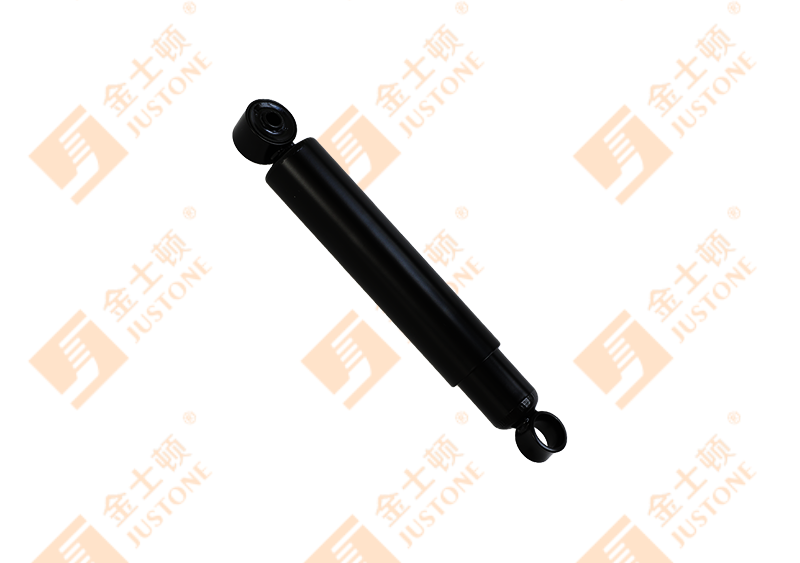
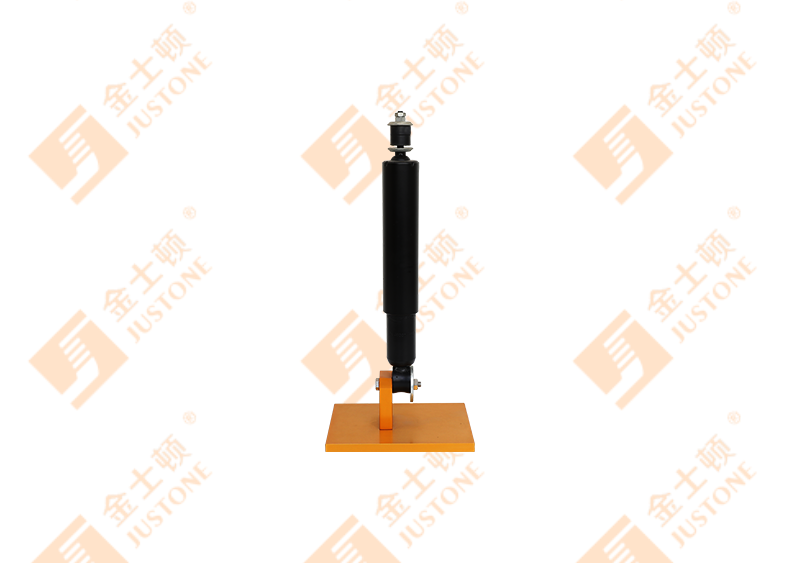
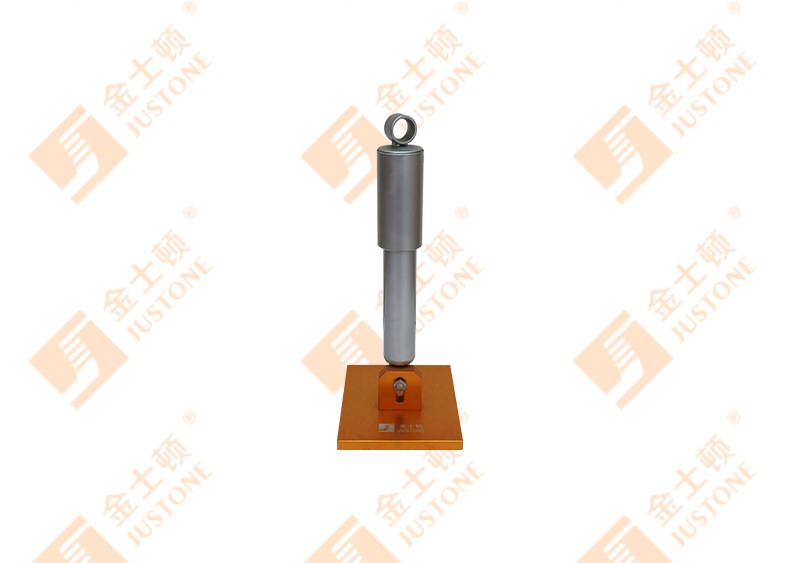 Heavy Truck Chassis Shock Absorbers Manufacturers, Suppliers, FactoryChina OEM Heavy Truck Chassis Shock Absorbers Manufacturers, Wholesale Heavy Truck Chassis Shock Absorbers Suppliers and Factory, Hangzho...View Product →
The cab is a separate challenge. A cab that bounces independently from the chassis makes the driver fight the steering wheel and increases fatigue. The cabin damping system must tolerate the movement of the cab mounting design while isolating the cab from chassis-level vibration. This is a different duty cycle from the chassis damper, which is why cab applications use purpose-built units.
The driver seat is the third layer. A seat damper is the last line of defense between the chassis and the driver. Seat vibration is one of the main contributors to driver fatigue and long-term back problems in commercial driving. A correctly matched seat damper improves both comfort and alertness over a full shift.
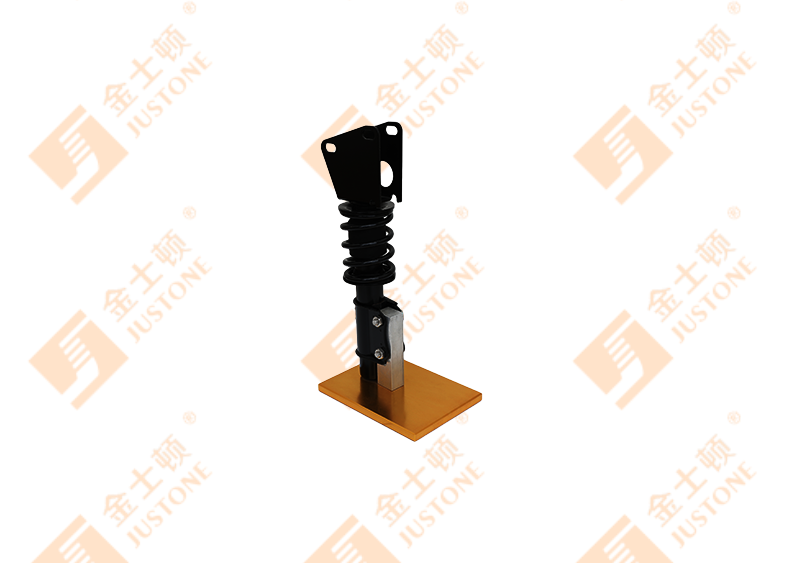
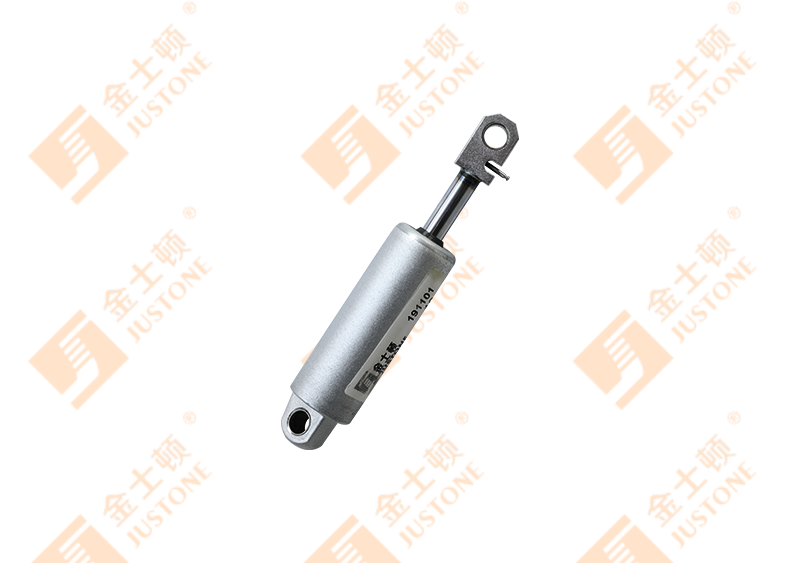 Seat Damper Shock Absorbers Manufacturers, Suppliers, FactoryChina OEM Seat Damper Shock Absorbers Manufacturers, Wholesale Seat Damper Shock Absorbers Suppliers and Factory, Hangzhou Justone offer ...View Product →
The standard checks for worn shock absorbers are well established:
For commercial vehicles, the replacement interval depends on operating conditions rather than a fixed mileage figure. Load weight, road quality, and operating hours all affect damper life. Fleets that run the same route day after day can track damper condition against the maintenance schedule and identify a practical replacement interval.
Product selection is a real procurement risk. The original manufacturer defines the damping curve, mounting dimensions, and operating range for each application. A damper that fits physically but was designed for a different vehicle may deliver the wrong damping characteristics, which recreates the exact bouncing problem the repair was meant to solve.
Quality management also matters. Commercial vehicle shock absorbers are manufactured under standards such as IATF16949, which governs process control, traceability, and defect prevention. Buyers should confirm the manufacturer's certification and check the load rating and mounting dimensions against the vehicle specification. The same logic applies at all three levels: chassis, cab, and seat.
The difference between a shock absorber and a suspension system is simple in definition but critical in practice. The suspension is the complete structure that connects the wheels to the vehicle and manages every force between the road and the body. The shock absorber is one component of that system, and its job is to control spring movement and stop uncontrolled bouncing. When you diagnose a ride complaint, start by isolating the fault: ride height issues point to springs or air bags, while bouncing and weak damping point to the shock absorbers. For commercial vehicles, apply the same discipline at the chassis, cab, and seat level. Correct diagnosis saves money, keeps vehicles in service, and is the difference between a controlled ride and an unsafe one.
Contact us for the latest news.
Copyright @ Hangzhou Justone Industry Co., Ltd.
 OEM Commercial Vehicle Shock Absorbers Manufacturers
Wholesale Car Shock Absorbers Factory
OEM Commercial Vehicle Shock Absorbers Manufacturers
Wholesale Car Shock Absorbers Factory