English
 Deutsch
Didn't find a product that suits you?
Contact us for the latest news.

A loaded heavy truck is rolling down the interstate at 65 mph when a car cuts across three lanes and stops short. The driver brakes hard, the cab pitches forward, and the airbag fires from the steering wheel hub at nearly 200 mph before the driver's chest has moved more than a few inches. That is the airbag doing exactly what it was designed to do: cushion an occupant who is already moving forward in the first moments of a crash.
The same event with an unbelted driver slouched close to the wheel can turn that airbag into a serious hazard. Air bag safety is therefore never just about the bag. It is a system that combines the seat belt, seating position, steering column design, and, in commercial vehicles, the chassis and damping components that help the driver avoid the crash altogether.
Content
Airbags are supplemental restraint systems. National Highway Traffic Safety Administration guidance is direct: they are designed to work with seat belts, not replace them. A frontal airbag deploys within roughly 50 to 80 milliseconds of a severe frontal impact, using a small pyrotechnic charge to fill the fabric cushion faster than the occupant can move. That speed is why positioning matters so much.
The life-saving record is real. Research from the Insurance Institute for Highway Safety shows that frontal airbags reduce driver fatalities in frontal crashes by about 29 percent, and side airbags reduce the risk of death in nearside impacts by approximately 37 percent. These numbers, however, assume a properly belted occupant in a normal seating position. When those conditions are missing, the same deployment forces that protect a restrained occupant can injure an out-of-position one.
Deployment is not a gentle event. The propellant generates hot gas that inflates the cushion almost instantly, and the fabric vents immediately to absorb the occupant's forward energy. That is also why triggering is deliberately conservative: crash sensors fire the system only when deceleration levels correspond to moderate or severe impacts, and the thresholds may be calibrated differently depending on whether the seat belt is in use.
Modern vehicles use multiple airbag configurations, each tuned for a different crash direction and body region. The table below summarizes the most common types.
| Airbag type | Primary protection | Typical location |
|---|---|---|
| Front airbag | Head and chest in frontal impacts | Steering wheel hub; passenger side dashboard |
| Side torso airbag | Chest and abdomen in side impacts | Outboard side of the seat back or door panel |
| Side curtain airbag | Head protection; reduces ejection risk | Above the windows, along the roof rail |
| Knee airbag | Lower legs; controls forward sliding | Under the steering column or dashboard |
| Seat cushion airbag | Pelvis and torso positioning | Within the seat cushion |
Each type addresses a specific injury pattern. A curtain airbag, for example, is particularly valuable for side impacts and rollovers because it covers the window opening and helps keep the head inside the vehicle. A knee airbag does less to cushion the head than to keep the lower body from sliding under the seat belt, a motion known as submarining, and that improves how the rest of the restraint system performs.
No airbag performs well for an occupant who is out of position. The most important rules are consistent across regulatory agencies, insurers, and vehicle manufacturers.
For drivers, the seat belt and seating position are the two variables they fully control. Those two variables are also the ones that determine whether an airbag deployment is a protective event or a risk event.
For fleet operators, truck OEMs, and maintenance teams, the air bag safety discussion begins before the crash. The safest airbag is the one that never has to deploy, and that makes vehicle stability the first line of defense. A loaded tractor-trailer performing an emergency stop or a lane change generates large dynamic loads. Shock absorbers that keep the tires in contact with the road and control body motion give the driver more stopping grip, less roll, and a shorter effective braking distance.
Heavy truck chassis shock absorbers are a core part of that stability chain. When they are worn, stopping distance grows, trailer sway appears, and the driver is more likely to face the kind of impact that triggers an airbag deployment.
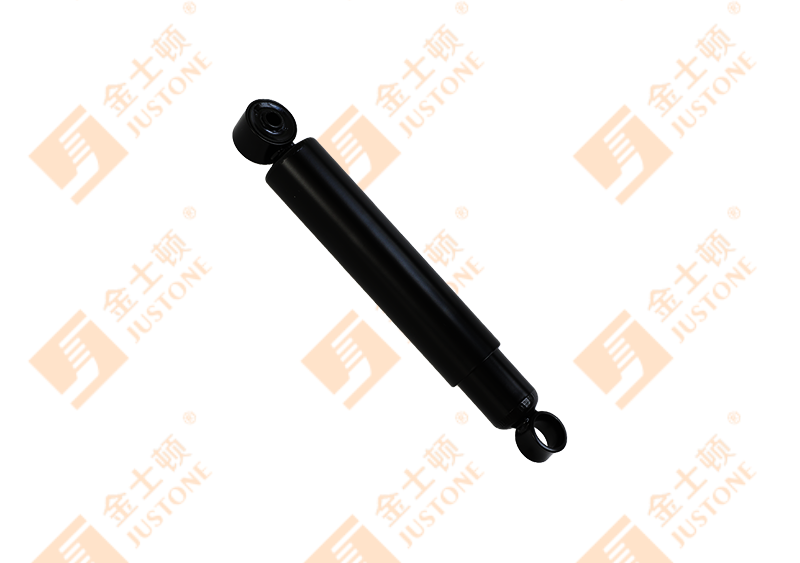
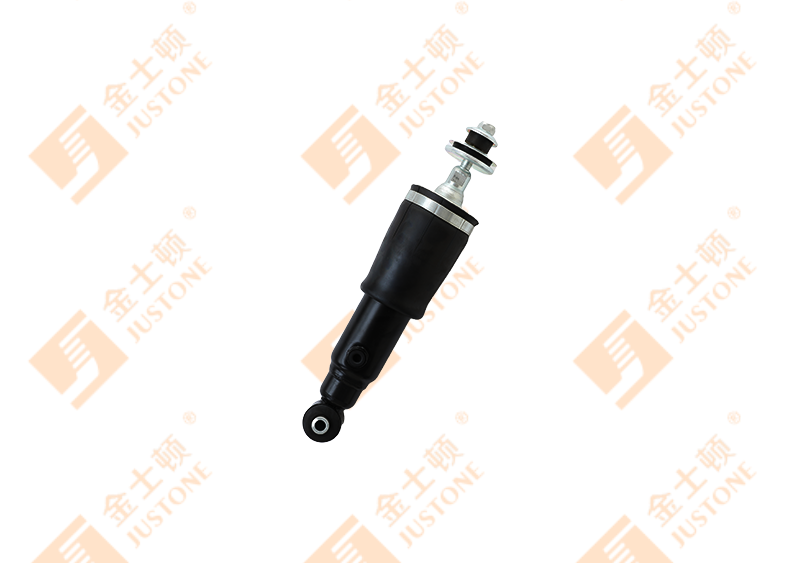
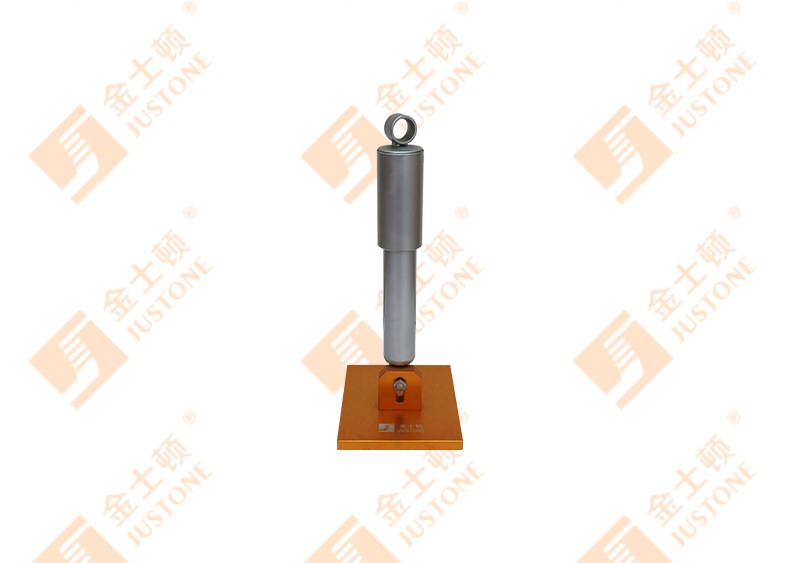 Heavy Truck Chassis Shock Absorbers from JUSTONEChassis shock absorbers directly affect stopping distance and trailer sway, which are critical to avoiding airbag deployment. This manufacturer, established in 2000, provides heavy-duty components for commercial fleets, making this a key product for stability reviews.View Product →
Trailer dampers play a similar role further back in the vehicle, controlling the lateral sway that can escalate into a rollover. A truck that stays in its lane and stays upright is a truck whose airbags may never need to fire.
Within the cab, cabin shock absorbers control the vertical oscillation of the cab over the frame. They reduce the vibration that tires a driver over an eight-hour shift and keep the driver's body stable in the seat, which also preserves the correct seating position relative to the airbag.
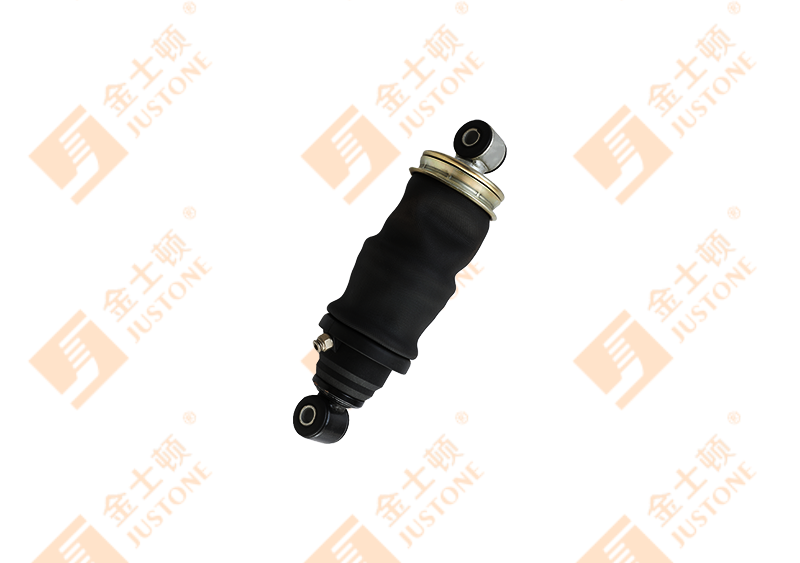
 Cabin Shock Absorbers for Truck Cab StabilityCabin shock absorbers reduce vertical oscillation and driver fatigue during long shifts, helping maintain proper seating position relative to the airbag. This product from JUSTONE is relevant here because it supports both ride comfort and crash-avoidance posture.View Product →
Seat dampers add a second layer of ride control. By absorbing low-frequency whole-body vibration, they lower fatigue and spinal loading. A less fatigued driver reacts faster and maintains better posture, and both factors matter for crash avoidance and for airbag positioning.
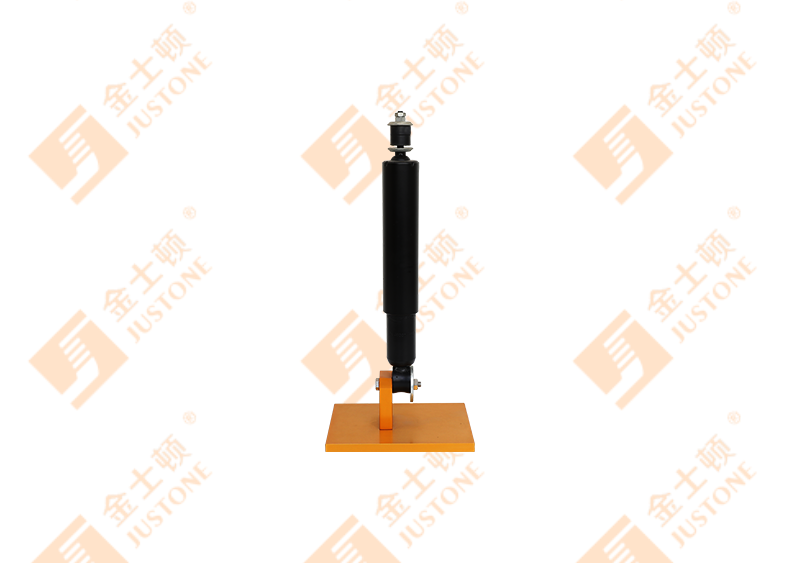
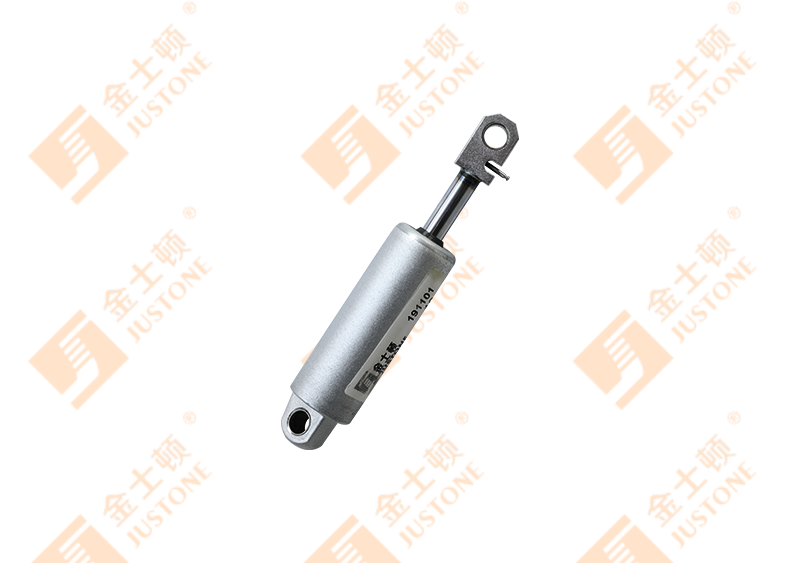 Seat Damper Shock Absorbers for Driver ComfortSeat dampers absorb low-frequency whole-body vibration, lowering fatigue and spinal loading so drivers react faster and maintain better posture. This product fits the discussion on secondary ride control for safety, and the supplier highlights IATF16949 and OEM experience.View Product →
For OEM purchasing teams, this means the specification of suspension and damping components belongs in the same safety review as the airbag system. A supplier with IATF16949 certification, in-house manufacturing of key components, and large-volume experience with commercial vehicle OEMs provides the consistency that safety systems depend on.
Air bag safety degrades quietly when parts fail. The SRS warning light is the clearest signal: if it comes on and stays on, the airbag system may not deploy in a crash, or it may deploy unexpectedly. Recall notices must be taken seriously and completed without delay.
The same logic applies to the chassis. A shock absorber leaking fluid, a bent bracket, or a worn bushing changes how the vehicle responds in an emergency maneuver. Maintenance programs should pair airbag diagnostics with a suspension walkaround, checking shock absorbers for leaks, mount damage, and inconsistent damping. A simple leak check and bounce test on each corner, plus a visual check of airbag covers for damage or signs of previous deployment, can catch problems early. Fleets that log these checks alongside brake and tire inspections tend to see fewer stability-related incidents.
Understanding how shock absorbers function in a heavy truck chassis makes it easier to see why degraded damping is a safety-relevant finding, not just a ride comfort issue.
Air bag safety sits on three layers. The first layer is crash avoidance: vehicle stability, tire grip, and damping that keep a dangerous situation from becoming a collision. The second layer is restraint: seat belts and correct seating position that keep the occupant in the space where the airbag can work. The third layer is the airbag itself, deployed by crash sensors and calibrated for a belted, properly positioned occupant.
Drivers control the second layer every trip. Fleet buyers and OEM engineers control the first layer at the specification table. When both are done well, the airbag becomes what it was always meant to be: a final line of protection, not a substitute for the safety system that surrounds it.
Contact us for the latest news.
Copyright @ Hangzhou Justone Industry Co., Ltd.
 OEM Commercial Vehicle Shock Absorbers Manufacturers
Wholesale Car Shock Absorbers Factory
OEM Commercial Vehicle Shock Absorbers Manufacturers
Wholesale Car Shock Absorbers Factory