English
 Deutsch

Didn't find a product that suits you?
Contact us for the latest news.

Common problems with flooded cars rarely announce themselves at once. A flooded car can start, idle, and even pass a short test drive, then cause trouble weeks later. Water reaches places a quick clean cannot, and the damage is often intermittent rather than obvious. If you own, buy, or maintain a flood-exposed vehicle, treat electrical faults, corrosion, contaminated fluids, mold, and weakened safety parts as likely issues until an inspection proves otherwise.
Content
Floodwater is not clean water. It carries silt, road salt, oil, sewage, and debris into connectors, seams, carpets, and frame cavities. A cleaned vehicle can look normal while water lines remain under the seats, inside the spare-wheel well, behind the dashboard, or in the headlights. Depth and duration matter, but so does water type: salt water and muddy water are more aggressive than a brief rise of fresh water.
The practical point is that a cosmetic cleanup is not a repair. Any vehicle submerged above the floor pan, especially above the seats or dashboard, needs a detailed electrical and mechanical assessment before it is trusted.
Electrical problems are the most common and often the most expensive consequence. Water enters wiring harnesses, fuse boxes, relays, grounds, and control modules. It wicks along copper strands, corrodes terminals, and changes sensor readings. Modern vehicles depend on body control modules, engine control units, transmission controllers, ABS modules, airbag controllers, cameras, and infotainment units. One damaged ground or connector can trigger several unrelated warning lights.
Symptoms include intermittent no-starts, overnight battery drain, strange lighting, failed windows or locks, false warnings, and repeated blown fuses. The safety side matters more: damaged airbag circuits, pretensioners, stability control, and ABS may not perform in a crash or emergency stop. Replacing modules and harness sections is often the only reliable fix; cleaning connectors can buy time but rarely restores long-term reliability.
Water finds its way into engine oil, transmission fluid, differential oil, brake fluid, and power-steering fluid through breathers, seals, and submerged openings. A milky appearance, high fluid level, or burnt cloudy smell is a warning. Even a small amount of water can reduce lubrication and lead to bearing, gear, and pump damage that appears after several hundred miles.
Braking and running gear suffer too. Calipers, parking-brake cables, wheel bearings, suspension fasteners, and fuel-system components corrode from the inside out. Rust on a brake line is not cosmetic. Silt packed around seals can wear them quickly, and chassis electrical grounds can fail long after the carpet feels dry.
Floodwater carries grit past seals and deposits it on shock absorber rods and bearing surfaces. A damper may look intact while its oil is contaminated or its rod is pitted. The result is weaker control over body movement, uneven tire wear, longer stopping distances, and reduced stability on rough roads or in crosswinds. On a commercial vehicle, the same issue affects load control and driver confidence, so the suspension system should be inspected as a complete assembly, not as separate parts.
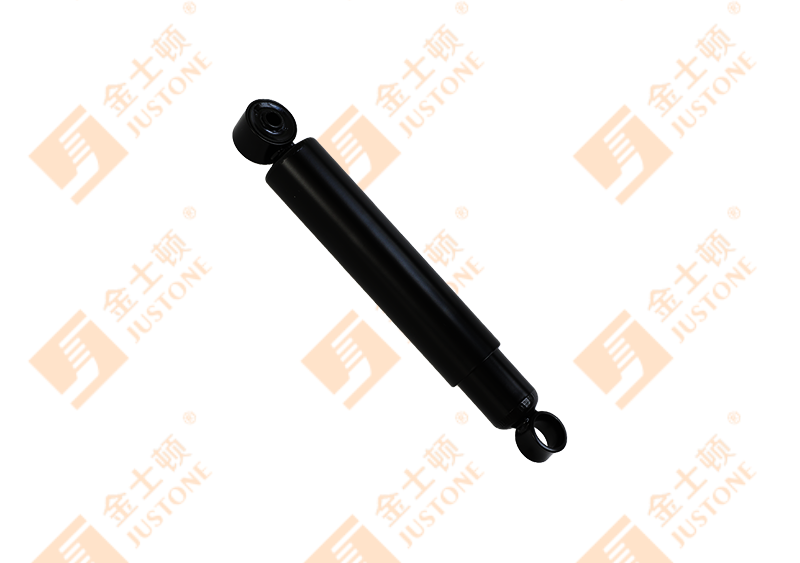
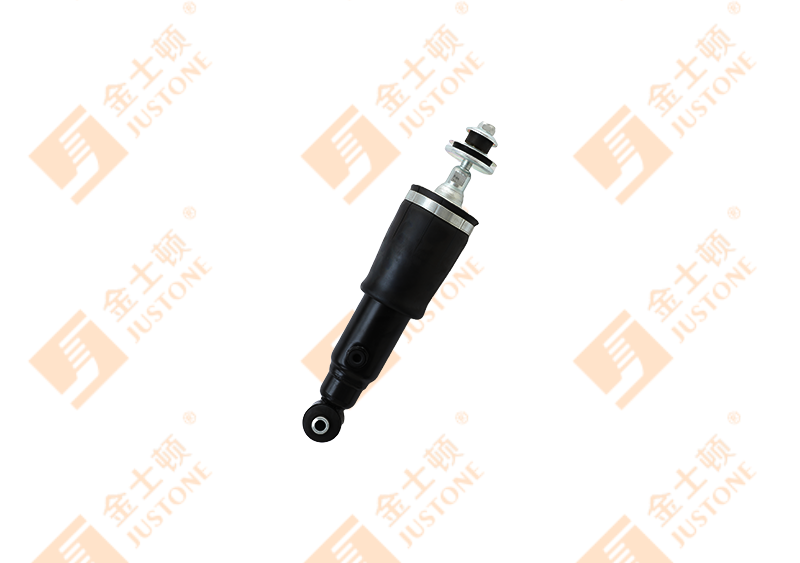
For heavy truck fleets, chassis dampers, cabin mounts, and seat suspension components deserve attention after a flood. Check for bent rods, oil seepage, torn boots, and packed silt, then road-test and compare against the manufacturer's damping specification.
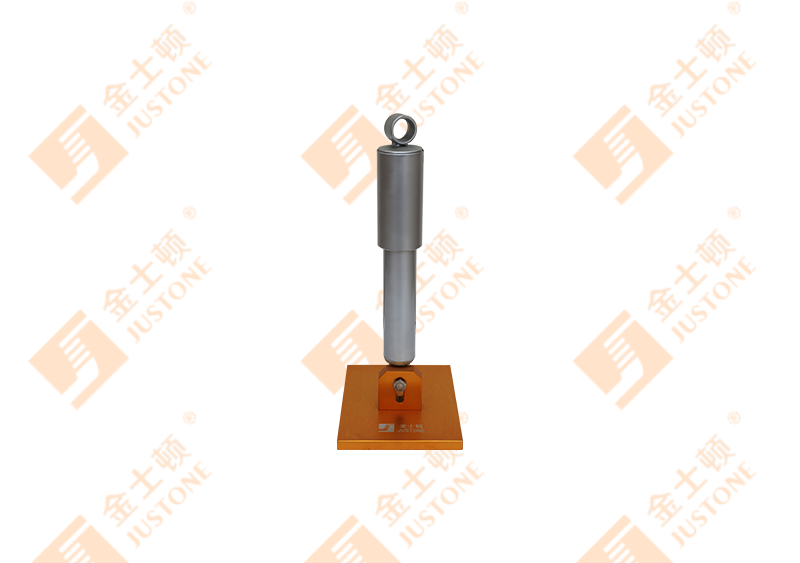 Heavy Truck Chassis Shock AbsorbersCategory page for custom OEM and wholesale heavy truck chassis shock absorbers, with inspection and replacement guidance for fleet maintenance.View Product →
Interior damage is not limited to a musty smell. Carpet underlay, seat foam, headliners, door cards, and HVAC ducts hold moisture. Mold and bacteria can affect air quality and create odors that return after cleaning. Water also damages seat heaters, occupancy sensors, power-seat motors, and console wiring.
In commercial vehicles, cab trim, cabin mounts, and damping components can trap dirty water. A cabin shock that has ingested water may look sound, yet lose control over rebound and pitch. Testing or replacing those components is more reliable than assuming a dry cab means no damage.
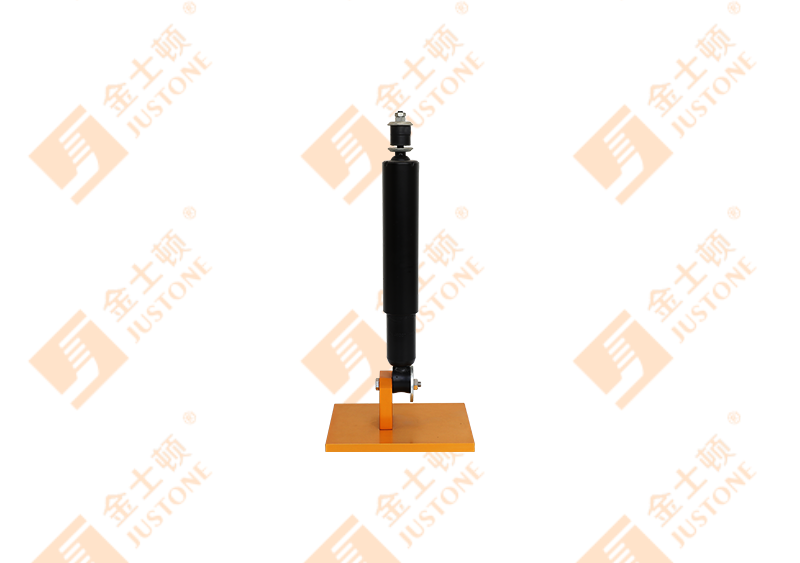 Cabin Shock Absorbers for Commercial Vehicle Cab DampingCategory listing for custom OEM and wholesale cabin shocks, covering cab damping components that manage cabin movement, vibration, roll, and steering stability.View Product →
A flood-damaged vehicle may have a straight body and still be unsafe. Airbag and crash sensors are calibrated for a clean, dry mounting position. Corrosion around seat mounts, seatbelt anchors, and subframes can weaken the structure. Water in the fuel system can cause stalling; water in the brake system can reduce stopping performance. Alignment may be affected if suspension components have moved or corroded. These are reasons to have the vehicle inspected by a qualified technician before it carries passengers or loads.
Title branding helps, but it is not a complete history. Some vehicles are cleaned and sold before a flood brand appears; others are repaired and re-registered elsewhere. Ask for the title, check the VIN for salvage or flood branding, review insurance records when available, and insist on an independent inspection. A seller who rejects a pre-purchase inspection on a flood-exposed vehicle is giving you useful information.
| Area | Warning signs | Why it matters |
|---|---|---|
| Electrical | Fuse-box corrosion, intermittent no-starts, warning lights, battery drain | Modules and safety systems may fail without warning. |
| Interior | Silt under seats, musty odor, fogged lights, mismatched trim | Mold and hidden wiring damage are hard to remove. |
| Underbody | Rust on brake lines, suspension, fasteners, wheel wells | Structural and braking safety may be compromised. |
| Fluids | Milky oil, high transmission level, contaminated brake fluid | Lubrication and stopping performance can drop. |
| Paperwork | Salvage or flood title, out-of-state re-registration, no inspection | History may be incomplete or disguised. |
Flood repair estimates rise quickly because visible work is only part of the job. A carpet replacement may be straightforward; a harness, module, airbag, or engine repair is not. Fresh water below the floor pan is a different risk from salt water over the dashboard. As a rule, a vehicle with water above the seats, mud in the electrical system, or a salvage flood title should be treated as a parts candidate unless it has a documented, comprehensive repair.
For a used-car buyer, the cheapest flood vehicle is usually the most expensive one. Hidden corrosion and intermittent electrical faults are hard to diagnose and price. If you proceed, budget for full fluid changes, brake inspection, an electrical scan, and a suspension check rather than only cosmetic detailing.
Fleets face the same problems multiplied by utilization and downtime. After a flood, pull affected vehicles from service until electrical, braking, and suspension checks are complete. Pay attention to chassis dampers, cabin shocks, seat dampers, and trailer components, because a vehicle that drives smoothly empty may behave differently under load. A documented inspection and replacement plan is cheaper than a roadside failure.
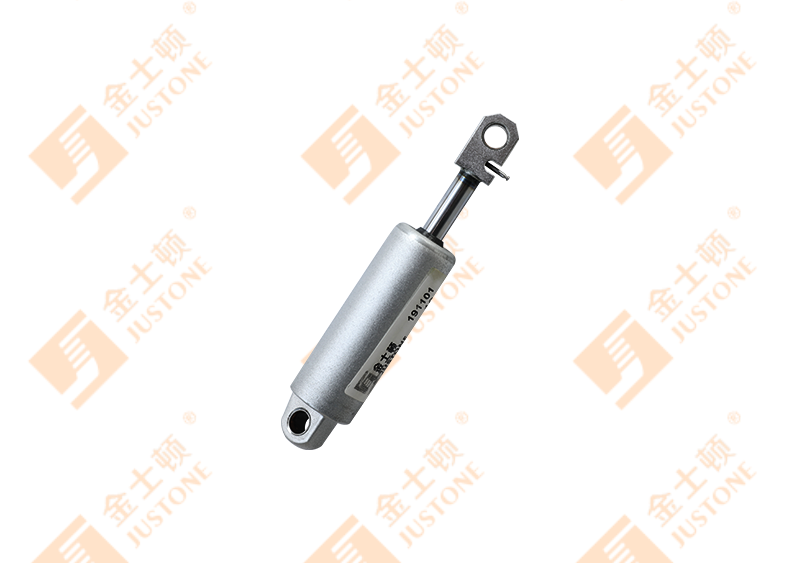 Seat Damper Shock Absorbers for Vehicle and Office SeatsCategory page for custom OEM and wholesale seat damper shock absorbers, with general guidance on maintenance, replacement, installation, and seat comfort.View Product →
Flooded cars cause the most trouble when they are treated as a cleaning job rather than a repair job. Electrical corrosion, contaminated fluids, mold, brake and suspension damage, and weakened safety systems all tend to surface after the vehicle is back in use. Whether you are buying, insuring, or maintaining a flood-exposed vehicle, the safest conclusion is the same: verify the damage, price the repair honestly, and do not rely on a dry interior as evidence that the vehicle is sound.
Contact us for the latest news.
Copyright @ Hangzhou Justone Industry Co., Ltd.
 OEM Commercial Vehicle Shock Absorbers Manufacturers
Wholesale Car Shock Absorbers Factory