English
 Deutsch
Didn't find a product that suits you?
Contact us for the latest news.

Content
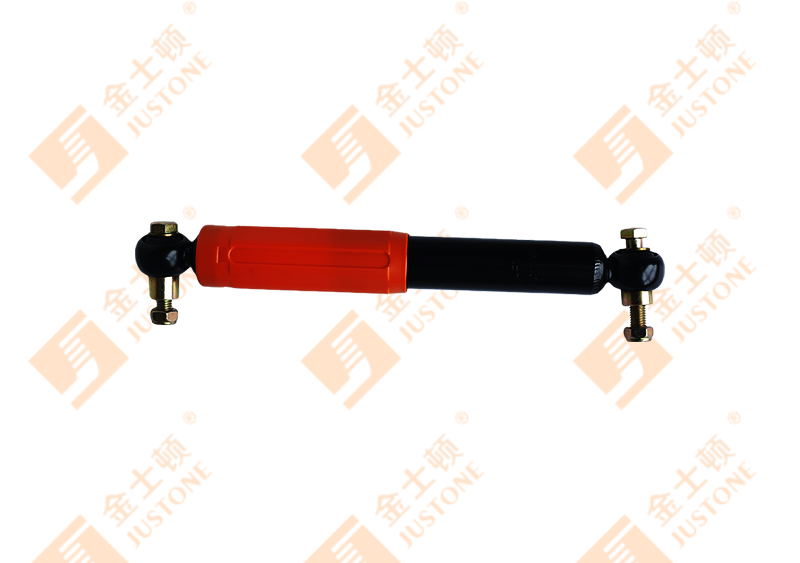
Trailer dampers are mechanical devices designed to absorb shocks and vibrations between a towing vehicle and its trailer. They play a crucial role in stabilizing the trailer, improving driving safety, and minimizing wear on both the towing vehicle and trailer components.
This article explores the cost-effectiveness of trailer dampers over long-term towing, highlighting their benefits in vehicle maintenance, towing performance, and overall investment value.
Trailer dampers reduce swaying, bouncing, and pitching motions that occur during towing, especially when carrying heavy loads or driving at high speeds. By controlling these dynamic forces, dampers enhance stability and reduce the likelihood of accidents caused by trailer instability.
Trailer sway occurs when lateral forces cause the trailer to move side-to-side. Dampers use hydraulic or friction mechanisms to absorb energy, stabilizing the trailer and providing smoother towing. This reduces the stress on the hitch and towing vehicle, extending their service life.
In windy conditions, on uneven roads, or during sudden braking, trailer dampers help maintain control by damping rapid trailer movements. This reduces strain on suspension components and prevents damage to both vehicle and cargo.
Trailer dampers reduce mechanical stress on key components of both trailers and towing vehicles, including suspensions, tires, and couplings. By absorbing shocks and vibrations, they extend the lifespan of these components, saving on repair and replacement costs over time.
Vibration and swaying increase tire wear and strain suspension systems. Dampers stabilize trailer motion, reducing uneven tire wear and extending suspension component life, which translates to significant maintenance savings for frequent haulers.
Sensitive cargo can be damaged during transportation due to shocks and excessive motion. Trailer dampers reduce these movements, minimizing the risk of cargo damage and associated costs, particularly in commercial or long-distance towing operations.
There are several types of trailer dampers available, each with different costs and performance benefits. Understanding these options helps determine their long-term cost-effectiveness.
Although trailer dampers require an initial investment, their ability to reduce maintenance costs, prevent component failure, and improve fuel efficiency makes them cost-effective over the long term.
| Aspect | Without Dampers | With Dampers | Benefit |
| Vehicle Suspension Wear | High | Reduced | Lower repair costs |
| Tire Longevity | Short | Extended | Fewer replacements |
| Cargo Damage Risk | High | Low | Lower loss expenses |
| Fuel Efficiency | Standard | Improved | Reduced operating costs |
| Safety | Variable | Enhanced | Accident prevention |
Beyond cost savings, trailer dampers contribute to driver comfort, reduce fatigue, and improve towing confidence. Their stabilizing effect also ensures compliance with safety regulations, particularly for commercial transport operations.
Trailer dampers are a valuable investment for long-term towing. They enhance safety, reduce wear on vehicles and trailers, protect cargo, and lower overall maintenance costs. While the initial purchase may seem significant, the long-term benefits make trailer dampers highly cost-effective for regular and heavy-duty towing applications.
For both commercial operators and private vehicle owners, investing in high-quality trailer dampers ensures reliable towing performance, improved safety, and tangible financial savings over time.
Contact us for the latest news.
Copyright @ Hangzhou Justone Industry Co., Ltd.
 OEM Commercial Vehicle Shock Absorbers Manufacturers
Wholesale Car Shock Absorbers Factory
OEM Commercial Vehicle Shock Absorbers Manufacturers
Wholesale Car Shock Absorbers Factory