English
 Deutsch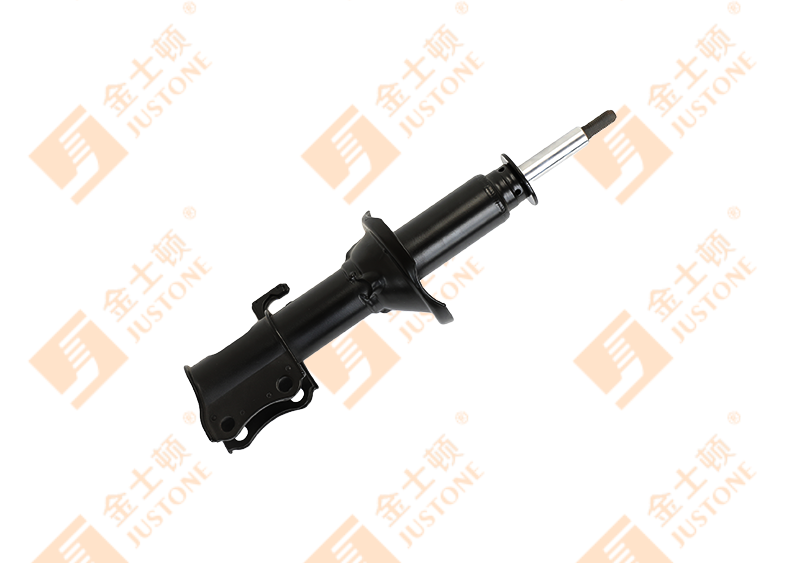
Didn't find a product that suits you?
Contact us for the latest news.

Hit the same pothole in two trucks running different shock designs and you'll feel two different stories. One jolt gets absorbed cleanly. The other lingers, a little wallow before the ride settles back down. That gap comes down to what's happening inside the shock itself — one tube or two.
Content
Twin-tube shocks use two nested cylinders. The inner tube houses the piston rod, piston valve, and the working hydraulic fluid; the outer tube stores reserve fluid and the gas charge. As the piston moves, fluid gets pushed between the two tubes through a base valve, generating the damping force that controls vehicle movement.
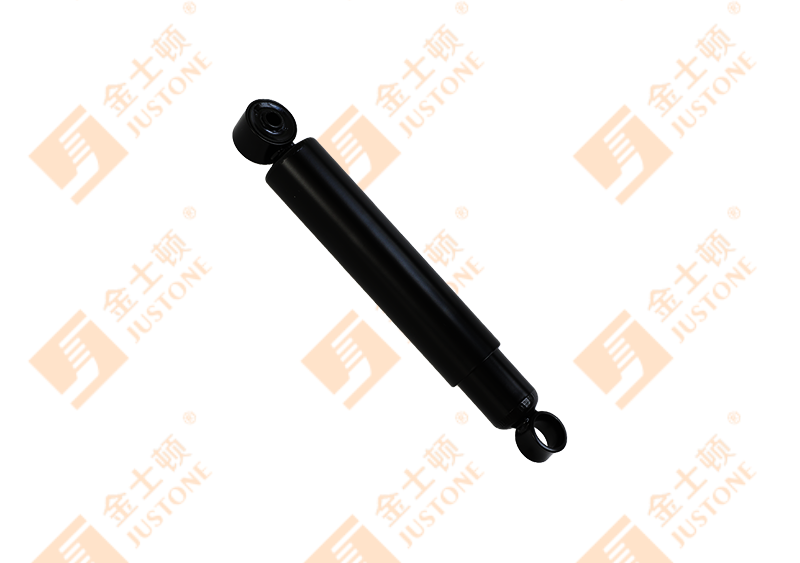
Monotube shocks strip that down to a single cylinder. One tube holds both the oil and the gas, separated internally by a free-floating piston. The working piston still moves up and down inside, but there's no second chamber for fluid to travel between — everything happens within one larger-diameter tube. You can read more about the basic mechanics of how a shock absorber dampens vibration in the first place in this overview of what a shock absorber does and how it works.
Hydraulic fluid moving fast through a valve can whip air into it, a process called aeration. Aerated fluid compresses more easily than clean oil, which means the shock's damping force becomes inconsistent right when you need it most — mid-bump, under load, on rough terrain.
Twin-tube designs are more exposed to this problem because fluid actively flows between the two chambers during operation; a hard jolt can disturb that flow and let gas mix with the oil. Monotube shocks avoid most of this entirely. The floating piston keeps gas and oil in permanently separate halves of the tube, so there's little opportunity for the two to intermix regardless of how hard the shock is working.
Twin-tube shocks rely on multiple valves working in sequence — piston valve and base valve sharing the damping duties. Monotube shocks concentrate everything into a single valve assembly, which distributes pressure evenly across the entire piston face rather than splitting the work between components.
Monotubes also tend to use a wider piston than twin-tube designs of comparable size, since there's no outer reserve chamber eating into the available diameter. A larger piston surface means more oil moves per stroke, which improves both damping precision and heat dissipation — two things that directly translate into a more controlled, predictable ride on uneven surfaces.
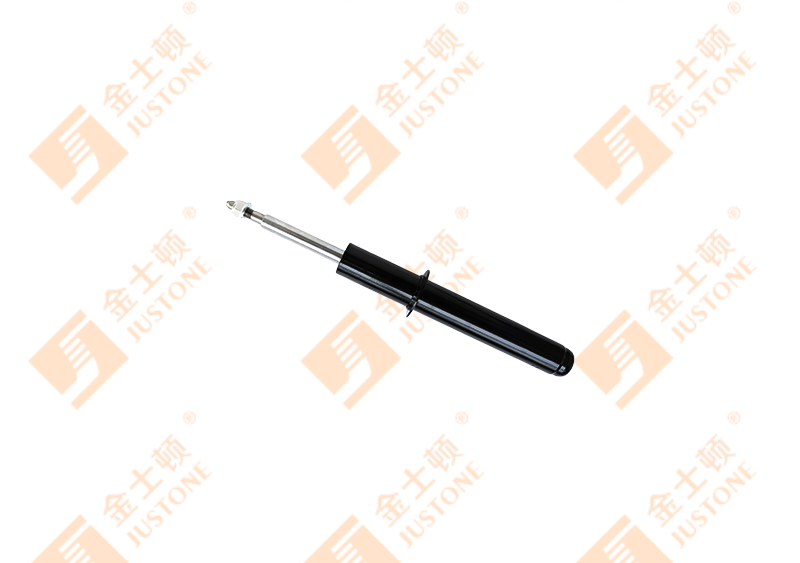
Twin-tube shocks generally have to be mounted upright. Install one upside down and the gas-to-fluid arrangement inside stops working the way it's supposed to. Monotube shocks don't have that restriction — because the floating piston keeps everything properly separated regardless of orientation, they can be mounted upright, inverted, or even horizontally without losing function.
Fade resistance follows a similar pattern. Fading happens when a shock loses its damping ability from heat buildup or gas leakage, and it gets worse the longer a shock has been in service. Monotube's larger fluid capacity and better heat dissipation make it noticeably more resistant to fade under sustained hard use — which is exactly why it shows up more often in performance and off-road applications, while twin-tube remains the standard for everyday passenger comfort.
Neither design is universally "better" — the right choice depends on what the shock has to deal with day to day. For smooth, low-vibration environments like passenger comfort applications, twin-tube's lower cost and comfortable damping characteristics are usually the more practical choice. For anything involving sustained heat, rough terrain, or heavy cyclic loading, monotube's stability advantage tends to justify the higher cost.
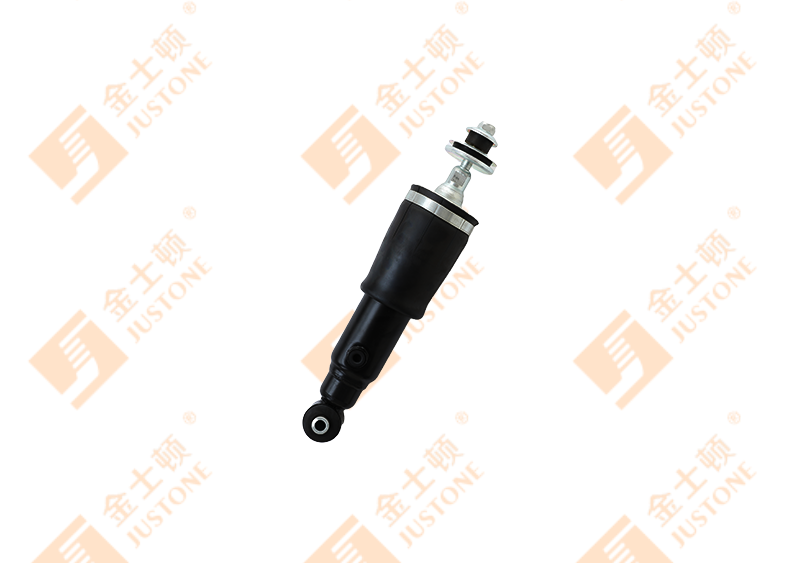
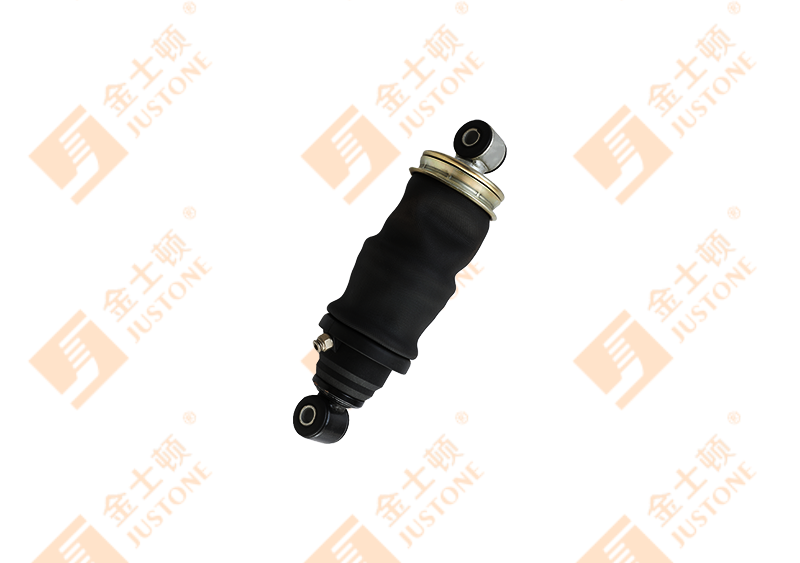
This split shows up clearly in industrial and commercial equipment too. Cabin shock absorbers designed for operator comfort often prioritize the smoother, more forgiving characteristics associated with twin-tube behavior, while drive-down cabin shock absorbers built to minimize vibration in vehicle cabins need to handle more demanding, repetitive shock loads. On the trailer side, trailer dampers engineered for load stability face constantly shifting weight distribution, which puts a premium on consistent damping force regardless of load. For a broader look at how these principles scale up, this piece on how shock absorbers function within heavy truck chassis systems covers the additional considerations that come with much higher loads and longer duty cycles.
Ride quality claims are easy to make and harder to verify without a consistent testing framework. Vehicle dynamics engineers commonly reference standardized procedures such as SAE's steady-state directional control testing standard for passenger cars and light trucks to evaluate how suspension and damping choices actually affect vehicle control under real driving maneuvers, rather than relying on subjective impressions alone.
Whichever design you land on, matching the shock's construction to the actual operating conditions — heat, load cycles, mounting orientation — matters more for long-term ride quality than any single spec on a data sheet.
Contact us for the latest news.
Copyright @ Hangzhou Justone Industry Co., Ltd.
 OEM Commercial Vehicle Shock Absorbers Manufacturers
Wholesale Car Shock Absorbers Factory
OEM Commercial Vehicle Shock Absorbers Manufacturers
Wholesale Car Shock Absorbers Factory