English
 Deutsch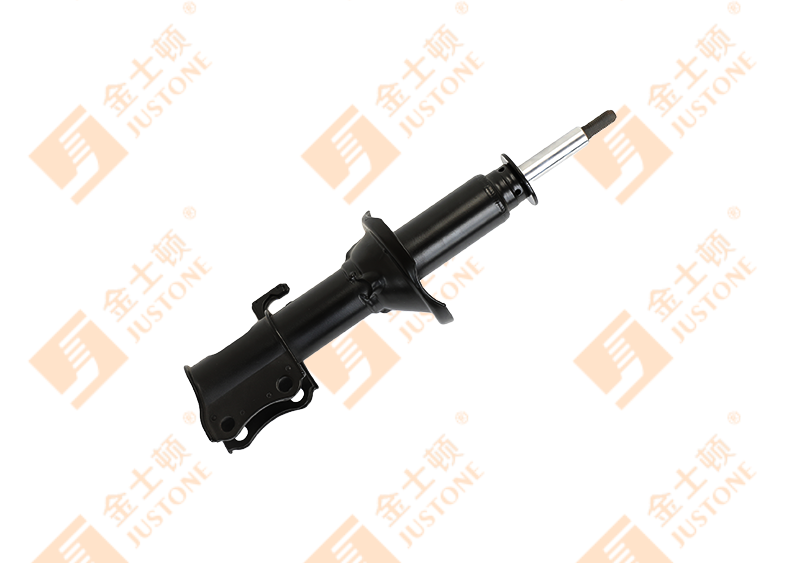
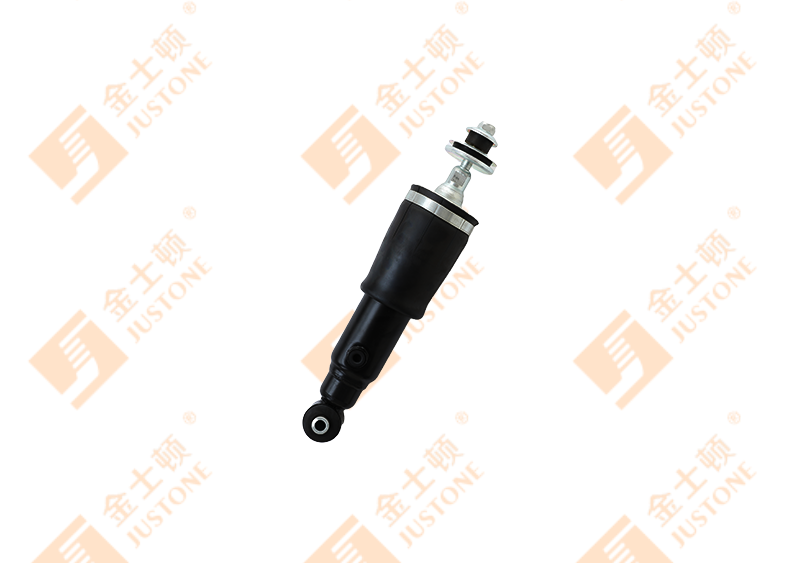
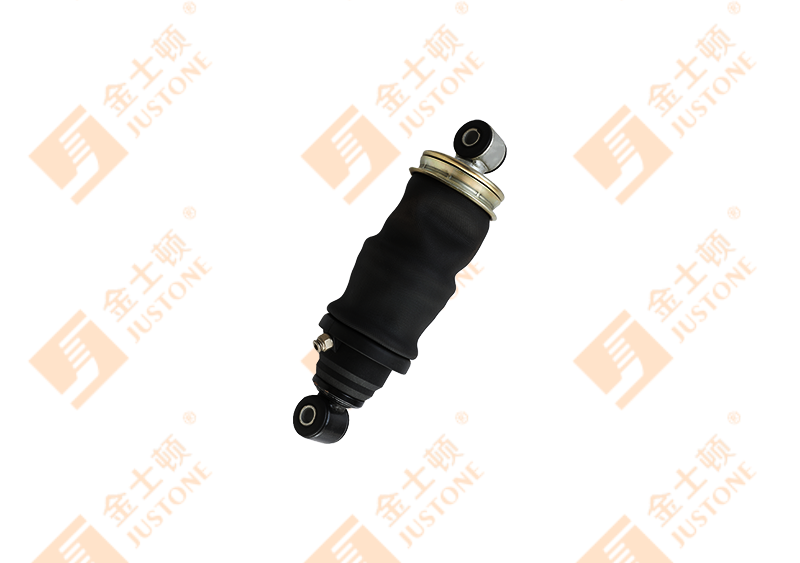
Didn't find a product that suits you?
Contact us for the latest news.

A maintenance supervisor pulls a suspension unit from a heavy truck and sets it on the workbench. It looks like a damper, but it has a spring seat built into the housing and mounting points tied into the cab structure. The question that follows is a common one: is this a shock or a strut? The answer changes the replacement part number, the repair procedure, and the total cost.
The short answer is direct. A shock absorber is a damping component that controls spring motion. A strut is a structural suspension member that supports vehicle weight, locates the wheel, and damps spring motion at the same time. Every strut contains a damper, but a shock is never a structural component. Keep that distinction in mind and suspension diagnosis becomes much simpler.
Content
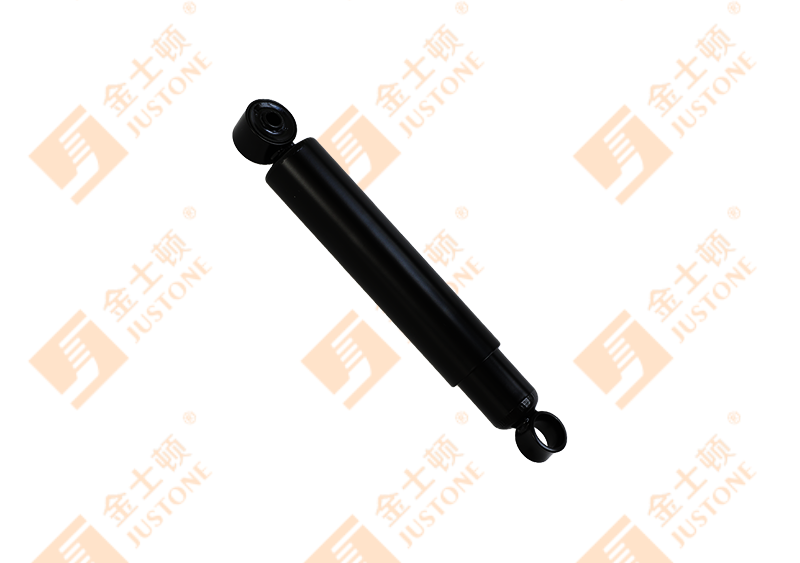
A shock absorber converts kinetic energy from suspension movement into heat by forcing hydraulic fluid through internal valves. It does not carry vehicle weight. The coil spring or air spring mounted beside it handles that task. The shock simply controls how quickly the spring compresses and rebounds, keeping the tire in contact with the road and limiting body roll and pitch.
On a vehicle that uses shocks, the control arms and springs handle all structural and weight-bearing duties. The shock bolts between the chassis and the suspension arm, and it can be removed without affecting the vehicle's ability to roll or stand. For this reason, a worn shock produces a bouncy ride but not a sudden structural failure.
Shocks are the standard choice on heavy trucks and trailers. A heavy truck chassis typically uses one shock per axle corner, mounted alongside a leaf spring or air spring. If the shock loses damping force, the axle bounces, tires lose grip, and the driver notices float at highway speed. The repair is straightforward: unbolt the old unit and install a matching replacement. For a closer look at how these dampers work, see how shock absorbers function in heavy truck chassis.
A strut is a structural component. It combines the damping mechanism with a spring seat, a housing that transfers load to the body or frame, and in many designs a mounting point for the steering knuckle or suspension arm. The strut is part of the suspension architecture itself. Remove a strut and the wheel loses its location reference; the vehicle cannot support its weight on that corner.
Struts appear most often on the front axle of passenger cars and light commercial vehicles with MacPherson-type suspension. In commercial vehicles, the cab suspension works on the same principle: the damper, spring, and linkage share the load of supporting the cab. A cab shock absorber in that arrangement is doing more than damping; it is part of the support structure.
| Characteristic | Shock Absorber | Strut |
|---|---|---|
| Carries vehicle weight | No | Yes |
| Structural suspension member | No | Yes |
| Controls spring motion | Yes | Yes |
| Locates the wheel | No; control arms do | Yes, on most designs |
| Failure impact | Ride quality and tire contact | Alignment, structure, and ride |
| Typical commercial vehicle use | Axle damping on trucks and trailers | Cab suspension and some front suspensions |
The table makes the practical difference obvious. A failed shock degrades ride quality and can allow excessive tire bounce, but it does not immediately compromise the vehicle's structure. A failed strut can change wheel alignment, alter steering geometry, and in severe cases allow a corner of the vehicle to sag.
Fleet maintenance teams need to identify the component before ordering a replacement because the failure mode and repair procedure are different. On a heavy truck, the axle dampers are almost always shocks. They bolt to the chassis and axle, carry no load, and can be replaced without disturbing alignment or steering geometry. Trailer suspensions follow the same pattern: a trailer shock controls axle movement relative to the frame, while the leaf spring or air spring carries the load.
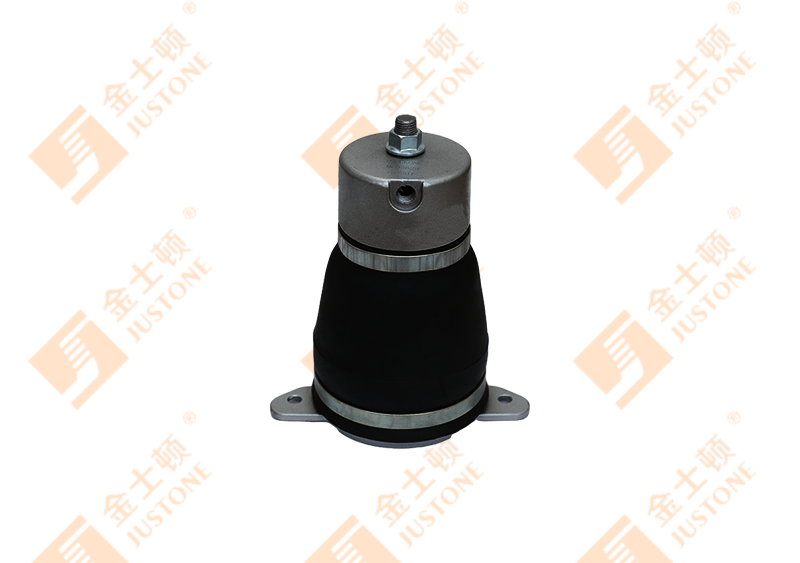
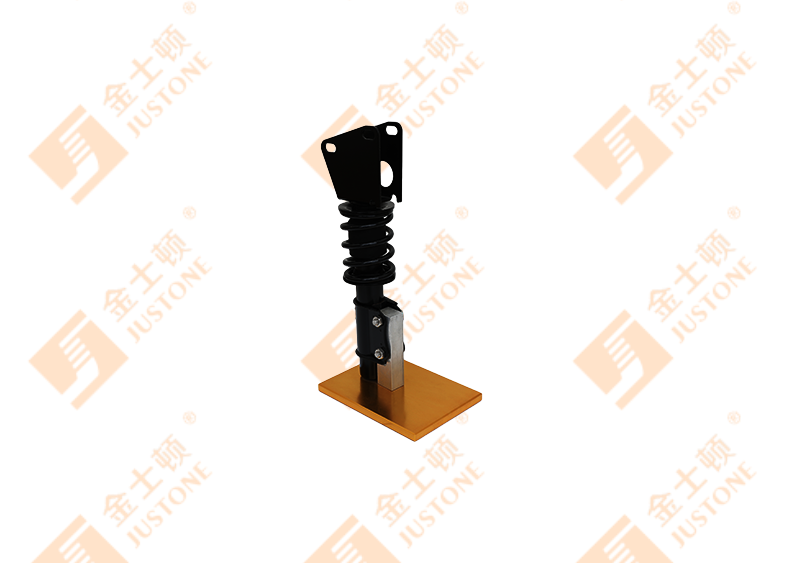
Cab suspension is a different situation. A cab shock absorber in a truck often works as part of a spring-damper unit that supports the cab and controls its movement. In that role, the damper behaves like a strut because it shares structural duty with the spring and linkage. The same reasoning applies to seat dampers, which support the driver's seat rather than simply controlling spring recoil. When a fleet runs mixed equipment, the parts room needs separate categories for axle shocks, cab shocks, and structural struts.
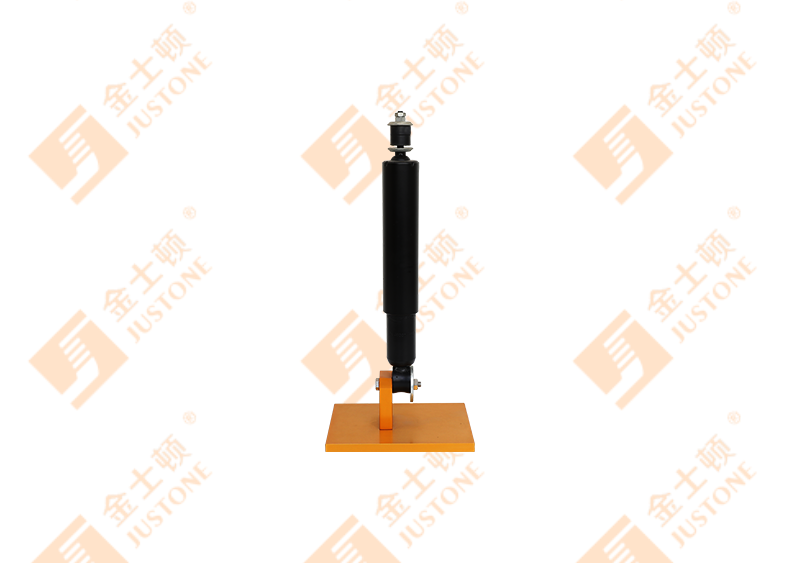 Cabin Shock Absorbers Manufacturers, Suppliers, FactoryAs China OEM Cabin Shock Absorbers Manufacturers, Wholesale Cabin Shock Absorbers Suppliers and Factory, Hangzhou Justone offer Custom Ca...View Product →
When a component fails, the diagnosis starts with a simple question: does this part carry load? Jack the vehicle, support the axle, and look. If the spring sits separately from the damper, it is a shock. If the damper has a spring seat and stands in the load path, it is a strut. For a deeper explanation of how suspension forces affect truck stability, read about the role of the suspension system in a heavy truck chassis.
A shock absorber fails gradually. Oil leaks past the rod seal, damping force drops, and the vehicle bounces more than usual. Tires may show cupping wear, and the driver may complain about float at highway speed. The vehicle remains drivable at reduced speed, but the longer the problem is ignored, the more tire and spring wear it causes.
A strut fails with more serious consequences. Worn internal bushings create clunking noises, the spring seat can corrode, and lost damping makes the vehicle nose-dive under braking. Because the strut positions the wheel, wear also appears as misalignment and uneven tire wear. Replacing a strut typically requires a wheel alignment afterward; replacing a shock does not.
Once you know whether the component is a shock or a strut, the next step is matching the specification. The replacement must match the spring rate, stroke length, and mounting configuration of the original. A shock designed for a lightly loaded passenger sedan will not survive a loaded trailer axle, and a strut-based front suspension cannot be converted to shocks without redesigning the entire front end.
Procurement risk also plays a role. A shock with the wrong damping force will produce a harsh ride if too firm or a wallowing ride if too soft. A strut with the wrong spring seat height will alter ride height and alignment. The part number on the box is not enough; the damping curve, stroke, and mounting dimensions must match the original equipment specification.
OEM buyers and fleet managers should look for a supplier that manufactures for the actual application. A company that builds both heavy truck chassis shock absorbers and trailer shock absorbers is better positioned to match the correct damping curve to each mounting position. An IATF 16949-certified production process is a reasonable benchmark when evaluating suspension component suppliers.
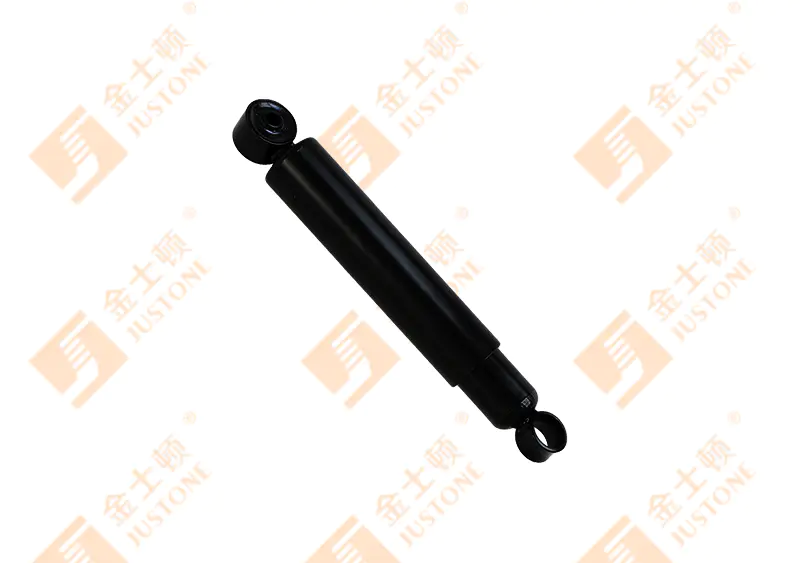 Suspension Shock Absorbers Manufacturers, Suppliers, FactoryChina OEM Suspension Shock Absorbers Manufacturers, Wholesale Suspension Shock Absorbers Suppliers and Factory, Hangzhou Justone offer Cu...View Product →
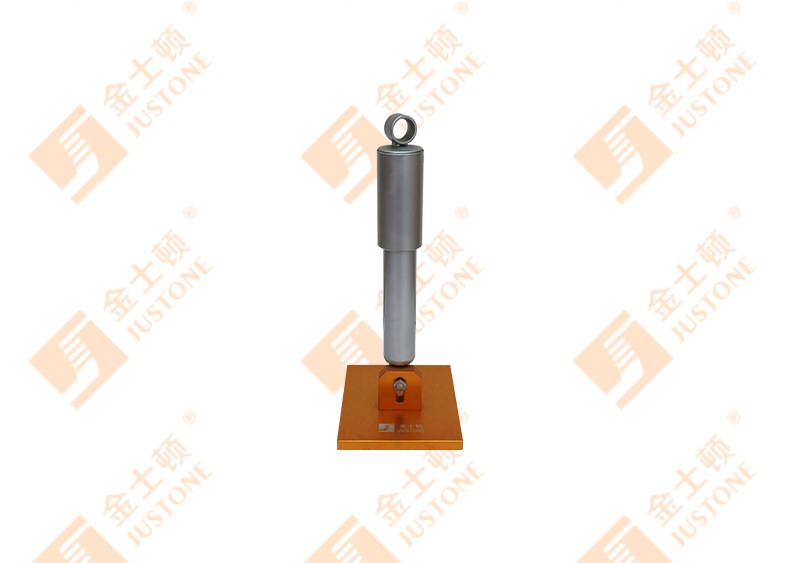 Heavy Truck Chassis Shock Absorbers Manufacturers, Suppliers, FactoryChina OEM Heavy Truck Chassis Shock Absorbers Manufacturers, Wholesale Heavy Truck Chassis Shock Absorbers Suppliers and Factory, Hangzho...View Product →
If you are diagnosing a bouncing cab, this explanation of how drive-down cabin shock absorbers minimize vibrations shows why the cab damper needs a different approach than an axle shock.
The difference between a shock and a strut is not a matter of wording. A shock controls spring motion only. A strut carries load, locates the wheel, and forms part of the suspension structure. When you are at the workbench or writing a parts list, look for the spring seat and the load path. If the damper is the only component doing the work, it is a shock. If the damper is holding up the vehicle, it is a strut.
Contact us for the latest news.
Copyright @ Hangzhou Justone Industry Co., Ltd.
 OEM Commercial Vehicle Shock Absorbers Manufacturers
Wholesale Car Shock Absorbers Factory
OEM Commercial Vehicle Shock Absorbers Manufacturers
Wholesale Car Shock Absorbers Factory